Videos
Browse videos by topic
All Videos
Showing 1273-1296 of 1435 videos

Meet Veeva Toronto: QA Edition
Veeva Systems Inc
/@VeevaSystems
Sep 27, 2018
This video provides an internal perspective on the rigorous Quality Assurance (QA) processes underpinning the Veeva Systems platform, focusing specifically on the role of automation engineering within the Veeva Toronto team. The speaker, an automation engineer, details her responsibilities, which center on developing and maintaining the technological infrastructure necessary to ensure the platform meets the high standards of stability, security, and functionality required by the life sciences industry. This includes the crucial task of creating and managing automation scripts, as well as designing the overarching automation framework for both newly introduced features and existing, legacy components. The analysis highlights the dual nature of quality assurance in a fast-paced, regulated environment. While the primary focus is on scalable automation—designing frameworks that can efficiently test complex pharmaceutical software—the team must remain agile. The speaker notes that the department becomes "really busy when the release has happened," necessitating a flexible approach where even automation specialists pivot to perform manual testing. This indicates that despite advanced automation, human oversight and detailed manual verification remain indispensable during critical release cycles, ensuring comprehensive coverage and mitigating risks inherent in complex enterprise software updates. Furthermore, the emphasis on supporting both new features and "old features" underscores Veeva’s commitment to backward compatibility and long-term product stability. For a firm like IntuitionLabs.ai, which specializes in integrating and customizing Veeva solutions, this insight is vital. It confirms that Veeva’s internal QA processes prioritize the maintenance of validated, existing workflows, which is essential for pharmaceutical clients operating under strict regulatory requirements (e.g., GxP, 21 CFR Part 11). The internal culture also promotes continuous improvement, encouraging team members to excel in their specific craft, whether QA, design, or development, ensuring the final product remains robust and reliable for the regulated life sciences ecosystem. Key Takeaways: • **Strategic Automation Framework Design:** Veeva’s QA strategy is built upon designing robust automation frameworks, not just isolated scripts. This structured approach ensures scalability and consistency in testing across the entire platform, which is critical for maintaining high standards in regulated environments. • **Hybrid QA Model During Releases:** The QA team utilizes a hybrid approach, relying heavily on automation but requiring automation engineers to engage in manual testing during peak release periods. This suggests that comprehensive validation of new features and updates requires both automated efficiency and detailed, human-led verification to catch edge cases. • **Commitment to Legacy Feature Support:** The explicit inclusion of supporting "old features" in the automation engineer’s mandate confirms Veeva’s focus on maintaining backward compatibility. This is a crucial factor for IntuitionLabs.ai when planning client upgrades, ensuring that existing customizations and validated processes remain stable post-update. • **High-Stakes Release Cycle Management:** The QA department experiences significant pressure and workload during platform releases. IntuitionLabs.ai should factor this intensity into its project planning, anticipating potential delays or requiring deeper internal testing buffers when client projects coincide with major Veeva release windows. • **Quality as a Cross-Functional Mandate:** The QA engineer collaborates closely with designers, developers, and testers. This integrated approach ensures that quality, stability, and security—key requirements for pharma software—are engineered into the product from the initial design phase, rather than being an afterthought. • **Focus on Core Enterprise Requirements:** The underlying goal of the QA team is to ensure the platform is built for speed, stability, security, and functionality. These four pillars directly address the non-negotiable requirements of the life sciences industry, where system downtime or security breaches carry significant regulatory and operational risk. • **Continuous Professional Development:** The internal culture at Veeva encourages employees to "do better at your craft" and "build on your career." This focus on expertise ensures that the core platform is developed and maintained by highly skilled specialists, contributing to the overall reliability of the Veeva ecosystem. • **Implications for Consulting Validation:** Understanding that Veeva invests heavily in internal QA and automation frameworks provides assurance regarding the base platform's stability. However, it also emphasizes the need for IntuitionLabs.ai to develop equally rigorous, automated validation scripts for all custom features, integrations, and configurations built on top of the Veeva platform. Key Concepts: * **Automation Framework:** A set of guidelines, protocols, and tools used to create and execute automated tests efficiently and systematically, ensuring repeatable and reliable quality assurance across large software platforms. * **QA (Quality Assurance):** The process of ensuring that products and services meet specified requirements and standards of quality, focusing on preventing defects. In the life sciences, this is intrinsically linked to regulatory compliance (GxP). * **Release Cycle:** The defined period and process during which new software features, updates, or patches are developed, tested, and deployed to users. This is a high-pressure time for QA teams. * **Legacy Feature Support:** The ongoing commitment to testing and maintaining functionality for older, existing features within a software platform, crucial for ensuring backward compatibility and stability for long-term enterprise users.

Meet Veeva Toronto: Product Manager Edition
Veeva Systems Inc
/@VeevaSystems
Sep 27, 2018
This video provides a direct look into the product development philosophy and customer-centric approach employed by Veeva Systems, featuring Dharshan Pushpa Raja, a Product Manager based in Veeva Toronto. The core message centers on the challenging yet rewarding work of designing and implementing new features that proactively meet the complex needs of customers within the life sciences industry. The Product Manager’s role is framed not merely as technical development but as a strategic function dedicated entirely to ensuring the success and operational efficiency of Veeva’s clientele. The central methodology highlighted is a deep, continuous engagement with the user base. The Veeva Product Team actively seeks out opportunities to meet with customers, observe their workflows, and conduct detailed interviews to understand precisely how the product is being utilized in real-world scenarios. This direct feedback loop is crucial for bridging the gap between theoretical product design and practical application, allowing the team to identify areas for improvement and innovation. By immersing themselves in the customer experience, the team ensures that new features are not only technically sound but also strategically aligned with the commercial, medical, and clinical objectives of pharmaceutical and biotech companies. The Product Manager emphasizes that the goal is to continuously improve the product by "doing the right thing at Veeva." This statement carries significant weight within the regulated life sciences sector, suggesting that product roadmapping is heavily influenced by the need for compliance, data integrity, and ethical operations. For a technology platform that underpins critical functions—such as CRM, medical information management, and clinical trials—proactive feature design means anticipating regulatory shifts and optimizing workflows to maintain adherence to standards like GxP and 21 CFR Part 11. The work is characterized by the constant challenge of integrating cutting-edge technology with stringent industry requirements, ultimately driving customer success through robust and compliant software solutions. Key Takeaways: * **Customer-Centric Product Roadmap:** Veeva’s product development strategy is explicitly driven by direct customer interaction, including on-site meetings and detailed user interviews, ensuring that the roadmap reflects actual operational needs rather than purely internal assumptions. * **Proactive Feature Design:** The focus of the Product Team is on designing and implementing *new* features that anticipate and solve customer challenges, indicating a commitment to innovation that keeps Veeva’s platform ahead of evolving industry demands. * **Operationalizing Customer Success:** The ultimate metric for the Veeva Product Team is customer success, implying that feature prioritization is heavily weighted toward improvements in efficiency, compliance, and user experience for life sciences professionals. * **Deep Industry Immersion Required:** The Product Manager’s requirement to observe and interview users demonstrates that successful product development in this sector necessitates a deep understanding of pharmaceutical workflows, regulatory constraints, and commercial operations. * **Implications for Partners:** Consulting firms specializing in Veeva CRM must remain highly attuned to the product team’s focus areas, as new features based on customer feedback will directly impact implementation strategies, customization requirements, and integration points for bespoke solutions. * **Compliance as a Design Principle:** The emphasis on "doing the right thing" suggests that regulatory compliance (FDA, EMA) is an inherent design constraint and driver for new features, requiring partners to ensure that any custom AI or software solutions they build maintain this high standard of compliance. * **Identifying Integration Opportunities:** Insights into what Veeva is prioritizing based on customer feedback can inform IntuitionLabs’ development of AI and LLM solutions (e.g., Sales Ops Assistant), ensuring these custom tools integrate seamlessly with the evolving core Veeva platform. * **Veeva Toronto as an Innovation Hub:** The specific mention of the Toronto office and its Product Management team suggests this location is a key center for shaping the future direction of Veeva’s products, making it a valuable source of intelligence regarding upcoming platform shifts. * **Value of Observational Research:** The methodology of interviewing and observing customers using the product highlights the value of qualitative research in identifying friction points that quantitative data alone might miss, leading to more impactful feature releases. * **Strategic Alignment:** Consulting services should leverage the knowledge that Veeva’s product strategy is focused on maximizing client investment; therefore, implementation and customization projects should emphasize features that directly translate to the operational success metrics defined by the Veeva Product Team. Tools/Resources Mentioned: * Veeva Systems (Platform) * Veeva Toronto (Product Development Hub) Key Concepts: * **Product Roadmap:** The strategic plan that defines the vision, direction, and evolution of the Veeva platform, heavily influenced by direct customer feedback. * **Customer Success:** The primary objective of the Veeva Product Team, measured by the ability of the platform to help life sciences companies achieve their operational, commercial, and regulatory goals.

AstraZeneca: Transforming the Digital Supply Chain with Veeva
Veeva Systems Inc
@VeevaSystems
Sep 20, 2018
This video provides an in-depth case study from AstraZeneca detailing the strategic drivers, implementation methodology, and realized benefits following the global deployment of Veeva Vault PromoMats. The pharmaceutical company identified simplification as the main business driver for selecting the system, aligning with a massive, enterprise-wide initiative to streamline platforms, processes, and systems. This simplification effort was crucial for achieving increased information transparency, which directly supports regulatory compliance and, consequently, reduces organizational risk. AstraZeneca highlighted three critical success factors that ensured the successful, rapid, and sustainable implementation of the platform across numerous global markets. The most critical factor was adhering strictly to a "global core configuration," meaning markets were brought onto the same system with minimal or no customization. This strategy was instrumental in facilitating quick delivery and guaranteeing future sustainability. Furthermore, successful deployment relied heavily on robust collaboration between the global team and dedicated local and regional teams. Given the short time scales and the necessity of managing many deployments in parallel, the third essential factor was the establishment of very clear plans, ensuring all stakeholders were aware of dates and expectations, and that adherence was maintained throughout the process. The implementation yielded significant, quantifiable benefits, primarily centered on enhanced efficiency and user satisfaction. AstraZeneca reported a major increase in productivity, resulting in the saving of "thousands of hours every year." This demonstrates a clear return on investment (ROI) derived from process automation and content management streamlining. Beyond efficiency, the system dramatically improved customer (internal user) satisfaction. Approximately 85% of users rated the new system as easier to use compared to the previous legacy platform, underscoring the success of the change management and the intuitive nature of the Veeva solution. The system's intuitive design and inherent compliance features allowed AstraZeneca to successfully onboard markets that had not previously utilized the legacy system. This expansion of adoption across the global organization further harmonized content management processes, reinforcing the initial strategic goal of simplification. The overall outcome showcased how standardizing on a compliant, intuitive platform like Veeva Vault PromoMats can drive significant gains in productivity, user experience, and regulatory adherence within a complex, regulated enterprise environment. Key Takeaways: * **Simplification as a Primary Business Driver:** The core strategic motivation for adopting Veeva Vault PromoMats was a company-wide drive toward simplifying platforms, processes, and systems, indicating that technology adoption must align with broader organizational transformation goals. * **Compliance Enabled by Transparency:** Increased information transparency resulting from the system implementation was directly cited as the mechanism that enables compliance and reduces regulatory risk, highlighting the system’s value beyond mere content management. * **Mandate Global Core Configuration:** Sticking to a global core configuration—minimizing market-specific changes—was the most critical success factor, ensuring rapid deployment, system standardization, and long-term sustainability across the enterprise. * **Collaboration is Key to Global Rollout:** Successful implementation required intense collaboration between global, regional, and local teams, emphasizing the need for a unified organizational structure to manage complex, multi-market deployments. * **Clear Planning for Parallel Deployment:** Managing numerous market deployments in parallel, often under tight deadlines, necessitates extremely clear plans, defined dates, and strict adherence to schedules to maintain project momentum and avoid bottlenecks. * **Quantifiable Productivity Gains:** The system delivered significant ROI by saving "thousands of hours every year," providing concrete evidence of improved operational efficiency in content creation and review workflows. * **High User Satisfaction Drives Adoption:** User experience is a critical metric; 85% of users rated the new system as easier to use, demonstrating the importance of an intuitive platform for successful change management and high adoption rates. * **Intuitive Design Expands Reach:** The system’s intuitive nature allowed AstraZeneca to successfully bring on board markets that were not using the previous legacy system, thereby expanding the scope of standardized processes globally. * **Focus on Sustainability:** The choice of a global core configuration was explicitly linked to ensuring the long-term sustainability of the system, a crucial consideration for regulated enterprise software investments. Tools/Resources Mentioned: * Veeva Vault PromoMats Key Concepts: * **Global Core Configuration:** A strategy for enterprise software deployment where the system is implemented with minimal customization across all markets to ensure standardization, rapid rollout, and simplified maintenance. * **Simplification as a Business Driver:** The strategic goal of reducing complexity in processes, systems, and platforms to improve efficiency, reduce cost, and enhance organizational agility. * **Information Transparency:** The ability to easily access and track content and data throughout its lifecycle, which is essential for auditability and regulatory compliance in the pharmaceutical sector. * **Parallel Deployment:** The methodology of launching a system in multiple markets or regions simultaneously, requiring rigorous project management and planning. Examples/Case Studies: * **AstraZeneca Implementation:** The video serves as a case study detailing AstraZeneca’s successful global implementation of Veeva Vault PromoMats to streamline content creation, enhance compliance, and achieve significant productivity savings.

Shire: Improving Time to Market with an End-to-end Digital Supply Chain
Veeva Systems Inc
@VeevaSystems
Sep 20, 2018
This video provides an in-depth case study of Shire’s implementation of Veeva Vault PromoMats, focusing on how the biopharmaceutical company leveraged the platform to overcome operational challenges stemming from recent mergers and acquisitions (M&A) and accelerate the time to market for promotional content. Shire’s primary hurdle was managing numerous legacy systems and disparate processes, which created a "double burden" for users and hampered efficiency. The strategic decision to implement Vault PromoMats centered on establishing a single source of truth for all users, providing a unified point of contact, and standardizing the underlying commercial processes. This foundational standardization was the key driver in speeding up the delivery of market-ready materials. The implementation was specifically designed to improve the quality and efficiency of the Commercial, Medical, and Legal (CML) review process. By consolidating the CML workflow within Vault PromoMats, Shire established one standard operating procedure (SOP) across the organization, replacing fragmented legacy processes. A significant functional benefit derived from the system is the ability for users to download and reuse previously approved content. This capability allows commercial teams to repurpose available materials, shifting their focus from the sheer quantity of content production to ensuring the high quality and strategic relevance of the materials being produced. A major theme highlighted in the case study is the critical importance of change management during the transition. The speaker stressed the need to carefully set user expectations, clarifying that the new system was not a direct replacement for the legacy platform (Zinc Maps), but rather an introduction of new functionality and fundamentally altered processes. Successful adoption required comprehensive training to fully empower users to navigate and utilize the new platform effectively. Furthermore, the change management plan needed to account for shifts in support structures, including changes to the internal support desk operations. Looking ahead, the case study emphasizes the strategic value of integrating Vault PromoMats with Veeva CRM. This integration is expected to yield greater asset traceability, allowing Shire to accurately monitor how often their materials are used in the market, providing crucial business intelligence. Operationally, the integration significantly speeds up the connection for the field force, ensuring they receive necessary commercial materials much faster. From a regulatory standpoint, the integrated system enhances compliance by enabling the rapid withdrawal or recall of any materials from the market, guaranteeing that only fully compliant and approved content is available for use by sales representatives and other commercial personnel. ### Key Takeaways * **Standardization Post-M&A is Crucial:** Mergers and acquisitions often result in a proliferation of legacy systems and processes, creating operational friction. Implementing a unified platform like Vault PromoMats is essential to consolidate these systems and eliminate the "double burden" placed on end-users. * **Establish a Single Source of Truth:** Centralizing all promotional content and associated review data within one platform provides a unified point of contact for users and ensures process consistency, which is foundational for accelerating time to market. * **Consolidate the CML Review Process:** Adopting a single, standardized operating procedure (SOP) for the Commercial, Medical, and Legal (CML) review process across the enterprise drastically improves efficiency and reduces review cycle times compared to managing multiple legacy workflows. * **Prioritize Content Reuse for Quality:** The ability to easily download and reuse previously approved content allows commercial teams to repurpose materials. This strategic shift enables users to focus on enhancing the quality and strategic impact of the content rather than spending time on redundant creation efforts. * **Change Management Must Define Scope:** When replacing a legacy system (e.g., Zinc Maps), change management must explicitly communicate that the new platform introduces new functionality and processes, rather than simply being a like-for-like replacement. This manages user expectations regarding functional changes. * **User Empowerment Through Training:** Comprehensive training is the most important factor in setting user expectations and ensuring full adoption. Users must be fully empowered and comfortable with the new platform's functionality to maximize the investment. * **Integrate for Enhanced Asset Traceability:** Integrating Vault PromoMats with Veeva CRM provides critical business intelligence by enabling greater asset traceability, allowing the organization to monitor material usage frequency and effectiveness in the market. * **Accelerate Field Force Deployment:** The integration between the content management system and the CRM platform speeds up the delivery of approved materials to the field force, ensuring sales teams have the most current and compliant assets available immediately. * **Ensure Regulatory Compliance via Recall Capability:** A key compliance benefit of the centralized system is the ability to quickly withdraw or recall non-compliant or expired materials from the market, ensuring that only "market-ready" content is actively used by the field force. * **Address Support Structure Changes:** Successful implementation requires aligning internal support structures, including the support desk, with the new system architecture and functionality to provide effective user assistance post-launch. ### Tools/Resources Mentioned * **Veeva Vault PromoMats:** The core platform used for managing and reviewing promotional content. * **Veeva CRM:** The system integrated with Vault PromoMats to facilitate asset deployment and traceability for the field force. * **Zinc Maps:** The legacy system that Vault PromoMats replaced at Shire. ### Key Concepts * **Time to Market:** The speed at which promotional materials are reviewed, approved, and deployed to the field force and market. * **CML Process (Commercial, Medical, Legal Review):** The mandatory regulatory review workflow for all pharmaceutical promotional content. * **Single Source of Truth:** A centralized repository where all data and content reside, ensuring consistency and accuracy across the organization. * **Asset Traceability:** The ability to track the usage, deployment, and effectiveness of promotional materials once they are in the market.

Best Practices for Managing Compliance with Promotional Content in Life Sciences
Veeva Systems Inc
/@VeevaSystems
Sep 19, 2018
This video provides an expert analysis of best practices for managing compliance related to promotional content within the life sciences industry, contextualized by recent PM TPA case rulings concerning approval systems. The speaker emphasizes that optimizing the content approval process requires a holistic approach that extends beyond the content itself, focusing heavily on foundational data integrity, process discipline, and accountability. The core message revolves around leveraging regulated enterprise systems, such as Veeva Vault PromoMats, not just as repositories, but as critical components of the regulatory audit trail. The analysis identifies four foundational learning points crucial for implementing compliant approval systems. First, the metadata—or "document information"—is deemed as important as the document itself. This information describes how the item will be used, by whom, and in what format it will be disseminated, making it essential for contextualizing compliance. Second, the speaker highlights a frequently overlooked fact: the information stored within PromoMats serves as a disclosable audit trail, accessible and requestable by regulatory bodies like the PM TPA. Third, "Good Housekeeping" is stressed as the essential element for forming a robust foundation for all subsequent information uploaded to the system. Finally, the speaker underscores the critical role of signatories, who are ultimately accountable for the compliance of the promotional item against the company's Standard Operating Procedures (SOPs) and industry codes, positioning them as the most important person in the copy approval process. To successfully implement these foundational practices, the video offers three actionable top tips. The first is the deployment of "housekeeping tools," specifically advocating for simple, easily adhered-to processes and the provision of useful checklists tailored for all roles involved, from originators and uploaders to reviewers and signatories. The second tip focuses on training, emphasizing that instruction must go beyond the mechanics of "what, when, and how" to fundamentally explain *why* accurate information input into PromoMats is vital for compliance and regulatory risk mitigation. The third crucial element is consistent and continual monitoring, which is necessary to improve feedback loops and ensure sustained adherence to best practices. Implementing these disciplined best practices yields significant efficiencies throughout the commercial operations lifecycle. Specifically, the initial cross-functional discussion phase is greatly enhanced, leading to better organizational planning and improved communication, thereby eliminating surprises when reviewers and signatories access the material in the system. The result is a higher quality of promotional item entering the system, supported by clear document information detailing usage. Ultimately, this leads to more efficient approvals—not just in terms of reduced costs, but also in time savings, the ability to operate with a leaner team, and a significantly quicker overall process compared to traditional methods. Key Takeaways: * **Metadata is a Compliance Asset:** The document information (metadata) describing the usage, format, and dissemination of a promotional item is equally as important as the content itself. This metadata provides essential context for regulatory review and must be accurately captured within the system. * **System Data Constitutes a Disclosable Audit Trail:** Information stored within the content management system (specifically Veeva Vault PromoMats) serves as a formal audit trail. Companies must recognize that this data, including certificates and metadata, is disclosable and requestable by regulatory authorities (e.g., PM TPA). * **Accountability Rests with Signatories:** The signatories involved in the approval process are the ultimate party accountable for ensuring the promotional item complies with company SOPs and industry codes. Engagement and clear communication with signatories are paramount to the success of the entire copy approval process. * **Good Housekeeping is Foundational:** Establishing essential elements of "Good Housekeeping" provides the necessary basis and foundation for all information that subsequently enters the content management system, ensuring data quality and regulatory readiness from the outset. * **Simplify Processes for Adherence:** Companies should develop simple, straightforward processes that all personnel can easily adhere to, reducing complexity and minimizing the chance of non-compliance errors during the submission and review cycle. * **Utilize Role-Specific Checklists:** Providing useful checklists tailored specifically for originators, uploaders, reviewers, and signatories helps streamline their tasks, making their involvement easier and ensuring all necessary steps and documentation requirements are met. * **Focus Training on Regulatory Rationale ("The Why"):** Training programs must move beyond instructing staff on the mechanics ("what, when, and how") of using the system. They must fundamentally educate personnel on *why* accurate data input and adherence to process are critical for maintaining compliance and mitigating regulatory risk. * **Implement Continuous Monitoring:** Consistent and continual monitoring of the approval process is essential for improving feedback loops, identifying bottlenecks, and ensuring sustained adherence to best practices across the organization. * **Front-Load Planning with Cross-Functional Teams:** Initiating the process with an initial discussion among a cross-functional team significantly improves planning and communication. This proactive approach ensures there are "no surprises" for reviewers and signatories later in the process. * **Achieve Efficiency Through Quality Input:** By ensuring clear document information and adhering to best practices, the quality of items entering the system improves dramatically, leading directly to more efficient approvals in terms of both reduced costs and faster turnaround times. Tools/Resources Mentioned: * **Veeva Vault PromoMats:** Explicitly mentioned as the platform used for compliance management and audit trails for promotional content. Key Concepts: * **PM TPA Case Rulings:** Regulatory rulings related to the approval systems for promotional content, serving as the impetus for reviewing and implementing compliance best practices. * **Audit Trail:** The documented history and metadata within the content management system that proves the item went through the required review and approval steps, which is disclosable to regulatory authorities. * **Signatories:** The individuals (typically from Legal, Regulatory, and Medical departments) who provide the final, accountable approval for promotional content.

Astellas: Improving Organizational Agility with Veeva
Veeva Systems Inc
@VeevaSystems
Sep 19, 2018
This video provides an in-depth case study on how Astellas Europe leveraged Veeva Align to fundamentally improve organizational agility within its commercial operations. The primary motivation for Astellas was to overcome a legacy process for territory alignment that was characterized by being excessively long, involving too many stakeholders, and relying heavily on outdated, prone-to-error Excel-based technology. This cumbersome process severely limited the organization’s ability to rapidly implement data-driven decisions necessary to effectively serve customers and, ultimately, patients. The core challenge was the inability to quickly restructure the sales force or adjust resource allocation in response to market changes, which is critical for maintaining commercial effectiveness. The implementation of Veeva Align served as the solution to this structural inefficiency. Astellas reports a dramatic increase in speed, estimating the new process to be approximately ten times faster than the previous manual methods. Beyond speed, the solution introduced reliability, ensuring that the desired outcome—the correct assignment of customers to the right territories—happens reliably on the first attempt. This operational efficiency translates directly into strategic agility, allowing small realignments to be executed in a matter of hours, rather than weeks. Furthermore, the new system enables sophisticated functionality, such as performing alignments based on advanced segmentation and targeting capabilities that were previously unavailable. Looking toward the future, the speakers emphasized that this foundational shift in alignment capabilities is essential for accelerating their journey into digital and multi-channel engagement. As Astellas expands its use of digital channels, the need for agility in multi-channel alignment becomes paramount. The goal is to dynamically assign the right resources to the right channels based on real-time response data and performance metrics. This systemic trust and efficiency—where the end-user (like the CRM expert) can immediately adjust assignments based on market intelligence and push them to the field force quickly—is cited as the biggest gain. The overall transformation shifts the organization from a slow, reactive structure to one that can make structural changes, reassign product priorities, and operate in a multi-channel environment with speed and confidence. Key Takeaways: • **Agility is a Commercial Imperative:** The central focus of modern commercial operations is achieving organizational agility to rapidly implement data-driven decisions that enhance customer service and ultimately benefit patients. • **Legacy Systems are a Bottleneck:** Traditional territory alignment processes relying on manual, Excel-based technology are inherently slow, unreliable, and involve excessive stakeholder involvement, preventing rapid response to market dynamics. • **Quantifiable Efficiency Gains:** Astellas achieved a tenfold increase in speed for territory alignments using Veeva Align, transforming a process that previously took weeks into one executable in hours, or even minutes for minor adjustments. • **Enabling Advanced Targeting:** The new system provides essential functionality for executing alignments based on sophisticated segmentation and targeting criteria, moving beyond basic geographic or historical data constraints. • **The Importance of System Trust:** A reliable, fast system instills trust in the end-users (e.g., CRM experts and field force), making them more efficient and confident in the data they are utilizing for resource allocation. • **Empowering the CRM Expert:** The CRM expert’s role is significantly enhanced, allowing them to adjust assignments immediately based on real-time market knowledge and push those changes to the field force database quickly, maximizing responsiveness. • **Foundation for Multi-Channel Strategy:** Improved territory alignment capabilities are a prerequisite for accelerating the shift toward digital and multi-channel engagement, requiring the agility to assign resources based on digital channel performance and response data. • **Shifting from Hours to Minutes:** Operational tasks related to preparing and delivering alignment changes, which previously consumed hours, now take only minutes, significantly freeing up operational staff for more strategic work. • **Strategic Resource Allocation:** The core value proposition is the ability to strategically restructure the sales force and reallocate resources and product priorities quickly, ensuring that commercial efforts are always aligned with current business needs. Tools/Resources Mentioned: * Veeva Align (A specific module within the Veeva Commercial Cloud suite) * Excel (Mentioned as the outdated, inefficient legacy technology being replaced) Key Concepts: * **Organizational Agility:** The ability of a pharmaceutical organization to rapidly adapt its structure, processes, and resource allocation in response to changing market conditions, competitive pressures, or internal strategic shifts. * **Territory Alignment:** The process of defining and adjusting the geographic, customer, or account assignments for a sales force to ensure optimal coverage, workload balance, and resource deployment based on commercial strategy. * **Multi-Channel Alignment:** The strategic allocation of commercial resources (sales reps, digital content, medical affairs outreach) across various engagement channels (in-person, email, virtual meetings, chatbots) based on customer preference and response data. Examples/Case Studies: * **Astellas Europe:** The video features Astellas, a major pharmaceutical company, detailing their successful implementation of Veeva Align to streamline their commercial operations and enhance organizational agility, particularly in territory management.

Simplifying the Management of Complex SPOR Data
Asphalion
/@Asphalion.
Sep 17, 2018
This video provides an in-depth exploration of simplifying the management of complex SPOR (Substances, Products, Organizations, Referential) data, a critical component of the EMA's ISO IDMP (Identification of Medicinal Products) implementation. The webinar, presented by Remco Munnik from Asphalion and Gary Wilson from CorrIT, introduces "SPORIFY," an off-the-shelf software solution designed to automate the matching, synchronization, and integration of local company data with the EMA's SPOR master data. The core problem addressed is the significant challenge pharmaceutical and life sciences companies face in transitioning from xEVMPD to IDMP, which necessitates robust management of controlled vocabularies and organizational data provided by the EMA. The presentation begins by setting the theoretical context of ISO IDMP and the role of SPOR as a master data system to achieve structured data for medicinal products. SPOR is broken down into its four domains, with a particular focus on Organizations (lists of marketing authorization holders, sponsors, manufacturers) and Referential (over 100 controlled vocabularies like dosage forms, routes of administration, countries). The speakers emphasize the benefits of master data, including improved analytics, more efficient regulatory decision-making, operational savings, better data quality, and alignment with future data standards, highlighting the current lack of standardization across departments and companies as a major hurdle. Gary Wilson then provides a live demonstration of the SPORIFY tool, showcasing its user-friendly, non-technical interface. The demo illustrates how companies can upload their local data (e.g., units of measure, countries, pharmaceutical dose forms, organizations with addresses) using simple Excel templates. SPORIFY automatically matches this local data with EMA SPOR data, providing immediate feedback on compliance rates, suggested matches, and unmatched items. For organizations, the tool handles the complexity of matching both organization names and multiple associated locations simultaneously. The system also supports manual matching, allows users to define custom "resolution statuses" for data governance (e.g., "for review," "approved," "change request needed"), and provides export options (Excel or API) for integrating the mapped data back into internal systems. A key feature demonstrated is SPORIFY's continuous synchronization capability, which automatically checks the EMA SPOR systems daily for updates. This ensures that any changes to controlled vocabularies or organization details are detected, and the system can automatically update matched records or notify users of changes to "favorited" organizations. The discussion also touches upon different master data integration models (registry, repository, hybrid) and how SPORIFY can support each, reducing manual effort and improving data accuracy. The overall process cycle for master data management—Identify, Match, Maintain, Govern, Integrate, and Synchronize—is presented, with SPORIFY significantly automating the synchronization and maintenance steps. Key Takeaways: * **ISO IDMP and SPOR are Imminent:** Despite perceived delays, the EMA's SPOR data is actively being utilized and is foundational for the upcoming ISO IDMP implementation, making proactive data management crucial for pharmaceutical companies. * **SPOR Data Domains:** SPOR encompasses Substances, Products, Organizations, and Referential data. Organizations (MAHs, sponsors, manufacturers) and Referential (over 100 controlled vocabularies like dosage forms, countries) are currently live and require active management. * **Benefits of Master Data:** Implementing master data management for SPOR leads to better analytics, more efficient regulatory actions, operational savings, improved data quality, and easier alignment with evolving data standards. * **Standardization is Key:** Standardized product data is essential not only for regulatory activities (e-submissions, variations) but also for critical functions like e-prescription, serialization, tracking shortages, managing recalls, inspections, and pharmacovigilance. * **The Challenge of Dynamic Data:** EMA's SPOR data, particularly for organizations, is constantly updated, changed, and added daily, posing a significant challenge for companies to manually track and maintain alignment with their internal systems. * **SPORIFY's Automated Matching:** The tool automates the matching of local company data (from Excel or databases) with EMA SPOR data, providing immediate insights into data compliance and suggesting potential matches based on similarity. * **Comprehensive Mapping for Organizations:** SPORIFY addresses the complexity of organization mapping by simultaneously matching organization names and associated locations, even when addresses are formatted differently in source systems. * **Customizable Data Governance:** Users can define and apply custom "resolution statuses" (e.g., "for review," "approved," "change request") to unmatched or suggested items, enabling internal workflows and governance processes for data quality. * **Continuous Synchronization:** SPORIFY automatically synchronizes with EMA SPOR systems twice daily, detecting changes and updating matched records or notifying users, thereby eliminating the manual burden of tracking updates. * **Flexible Integration Options:** The system supports various master data integration models (registry, repository, hybrid) and offers data export via Excel or an Application Programming Interface (API) for seamless integration with internal systems. * **"Favorites" for Critical Monitoring:** Users can "favorite" specific organizations or locations to receive special alerts for any changes, providing targeted monitoring for critical entities. * **Reduced Manual Effort:** By automating matching and synchronization, SPORIFY significantly reduces the manual effort, potential for user errors, and time required to maintain compliance with EMA's evolving SPOR data. * **Future Roadmap:** The solution plans to incorporate xEVMPD substance lists for preparation and will develop interfaces for the Substances (S) and Products (P) domains as they become available from the EMA. Tools/Resources Mentioned: * **SPORIFY:** A software solution developed by CorrIT for managing EMA SPOR data. * **Excel:** Used for uploading local data into SPORIFY via templates and for exporting matched data. * **API (Application Programming Interface):** Offered by SPORIFY for machine-to-machine integration with local systems. Key Concepts: * **ISO IDMP (Identification of Medicinal Products):** A set of five ISO standards for the unique identification of medicinal products globally, mandated by the EMA. * **SPOR (Substances, Products, Organizations, Referential):** The EMA's master data system providing controlled vocabularies and master data for IDMP implementation. * **Organizations (O):** A list of all organizations (MAHs, sponsors, regulatory authorities, manufacturers) with unique IDs and locations. * **Referential (R):** A list of over 100 controlled vocabularies (e.g., dosage forms, routes of administration, countries, languages) used in regulatory submissions. * **xEVMPD (Extended EudraVigilance Medicinal Product Dictionary):** The current system for medicinal product data submission to the EMA, which IDMP will supersede. * **Master Data:** Non-transactional information (like SPOR data) considered key to core business operations and reused for multiple purposes, aiming for a "single source of truth." * **Resolution Statuses:** User-defined categories within SPORIFY to manage the workflow and governance of matched or unmatched data (e.g., "approved," "for review," "change request"). * **Registry System (Master Data Integration):** Each local system maintains its own copy of data and looks up to a central hub (like SPORIFY) for the single source of truth. * **Repository System (Master Data Integration):** Master data is moved out of local systems and maintained in a single central hub, which then feeds updates back into all connected systems. * **Hybrid Approach (Master Data Integration):** A mix of registry and repository models, accommodating both older and newer systems within an organization. Examples/Case Studies: * **Barcelona Benguela vs. Barcelona Spain:** Used to illustrate the importance of master data for unique identification, preventing errors like booking a flight to the wrong city. * **"Capsule" vs. "Hard Capsule":** Highlights the lack of standardization within different departments or companies, which SPOR aims to resolve by providing one unique term (e.g., "capsule, hard") with a unique ID and assigned synonyms. * **One A Pharma (Example Organization):** Used in the demo to show how users can "favorite" an organization to receive special alerts for any changes to its data on SPOR.

Veeva AR Demonstration 052212
PIXACORE
/@pixacore2013
Sep 7, 2018
This video provides an in-depth demonstration of integrating Augmented Reality (AR) capabilities directly within the Veeva Closed Loop Marketing (CLM) platform and its associated media library. The presentation, delivered at a Veeva Commercial and Medical Summit, highlights how pharmaceutical companies can leverage the advanced processing power and specialized frameworks available on modern mobile devices—specifically mentioning the Apple ecosystem—to create rich, immersive content experiences for their field force. The core objective is to move beyond traditional static presentations and introduce a "new visual way of storytelling" to healthcare professionals (HCPs). The demonstration illustrates the practical application of AR within a standard Veeva workflow. The presenter navigates the Veeva CLM media library, selecting a presentation focused on a specific medical condition, macular degeneration. The progression involves swiping to a dedicated AR content slide, which automatically activates the device's camera. This action blends the real-world environment visible through the camera with virtual, three-dimensional objects, allowing for an interactive and dynamic presentation experience. The specific case study involves placing a giant, virtual eyeball into the physical space. This virtual object serves as a detailed, explorable model. The presenter showcases the ability to "walk around" the object to explore it in all three dimensions. More compellingly, the presenter demonstrates walking *into* the virtual eyeball to illustrate the internal pathology of the disease, specifically the abnormal growth of blood vessels. By turning back and looking through the virtual lens of the eyeball into the real world, the presenter can then visually illustrate the progression of the disease and, critically, how treatment can effectively reverse that progression. This methodology transforms complex medical and scientific data into a highly engaging and memorable visual narrative, applicable to discussing disease states, treatment mechanisms, or even simulating the patient's perspective. This integration signifies a strategic shift toward utilizing high-end computational frameworks, including those for augmented reality and machine learning, to enhance commercial and medical affairs messaging. By embedding AR directly into the regulated Veeva environment, pharmaceutical companies can ensure that their most advanced content is delivered seamlessly and tracked effectively by the field force, maximizing the impact of their customer interactions and ensuring that the delivery of complex information is both accurate and visually compelling. Key Takeaways: • **Veeva as an AR Delivery Platform:** The demonstration confirms that Veeva CLM can serve as a native platform for deploying and tracking sophisticated Augmented Reality content, ensuring that immersive experiences are integrated into existing, regulated commercial workflows. • **Leveraging Advanced Device Architecture:** The success of this AR integration is predicated on utilizing the powerful processing capabilities and specialized frameworks (specifically mentioning AR and Machine Learning frameworks) found in modern mobile devices, particularly those within the Apple ecosystem. • **Enhanced Visual Storytelling:** AR provides a solution for the field force to deliver messaging using a "new visual way of storytelling," moving beyond 2D slides to create rich, immersive experiences that can better explain complex topics like disease states, treatment mechanisms, and patient experiences. • **Illustrating Pathophysiology and Treatment Efficacy:** The example of the virtual eyeball demonstrates AR's power in allowing HCPs to explore complex internal structures and visualize disease progression (e.g., abnormal blood vessel growth) and the subsequent reversal of symptoms following treatment. • **Immersive Exploration of Data:** AR enables the field force to place and interact with virtual objects in three dimensions, allowing them to "walk around" or even "walk inside" models, offering a level of detail and engagement impossible with traditional media. • **Seamless User Experience:** The AR content is accessed directly via a slide within a standard Veeva presentation, ensuring a smooth transition for the user (the sales representative) and minimizing technical friction during the customer interaction. • **Strategic Role of Content Partners:** The development of these rich, immersive AR experiences requires specialized skills, highlighting the crucial role of content partners and agencies in building the necessary 3D models and interactive scenarios for deployment within Veeva. • **Intersection of AR and Machine Learning:** The presentation notes that the new device architecture supports both augmented reality and machine learning frameworks, suggesting that future iterations could involve AI-driven personalization or real-time adaptation of AR content based on user interaction or context. Tools/Resources Mentioned: * Veeva CLM (Closed Loop Marketing) * Veeva Media Library * Apple Ecosystem (Devices and Frameworks) Key Concepts: * **Augmented Reality (AR):** Technology that overlays virtual objects and information onto the real-world environment, typically viewed through a device camera. * **Veeva CLM:** A module within Veeva CRM used by pharmaceutical sales representatives to deliver and track interactive, compliant marketing content to healthcare professionals. * **Machine Learning Frameworks:** Underlying software structures that enable advanced computational tasks, which are noted as being critical alongside AR frameworks for powering these next-generation experiences.

Veeva Commercial & Medical Summit, Europe in 3 Words
Veeva Systems Inc
/@VeevaSystems
Aug 23, 2018
The video is a concise testimonial montage capturing the atmosphere and perceived value of the Veeva Commercial & Medical Summit, Europe, as expressed by various industry leaders and attendees. Presented in a "three words" format, the content distills the core benefits of the event, positioning it as a vital strategic and educational gathering for professionals within the pharmaceutical and life sciences commercial and medical affairs sectors. Attendees consistently characterized the Summit using terms that emphasize both strategic insight and practical application. Key descriptors included "valuable," "pragmatic," "educational," "innovative," "engaging," and "enlightening." This collective feedback suggests that the event is highly regarded not just for networking, but as a critical forum for gaining actionable intelligence and understanding the future trajectory of operations built around the Veeva platform ecosystem. The focus on "pragmatic" solutions is particularly noteworthy, indicating that attendees are seeking realistic, implementable strategies rather than purely theoretical concepts, aligning with the need for compliant, customized enterprise software solutions. A significant theme highlighted by participants is the Summit's role in strategic alignment and foresight. One speaker noted the critical importance of the keynote sessions, emphasizing the shared "common interest and a common focus" among attendees, which fosters a sense of collective industry direction. Another attendee explicitly stated that the event helps them "really understand where we're at but also where we have to go and begin to plan that day." This underscores the Summit’s function as a crucial mechanism for pharmaceutical leaders to benchmark their current digital maturity and define future technology roadmaps, particularly concerning the integration of advanced capabilities like AI and robust data engineering into their commercial and medical operations. Furthermore, the video highlights the networking benefit of meeting colleagues from various countries who are performing the "same sort of job." This exchange of experiences facilitates the identification of common operational pain points, regulatory challenges, and successful implementation strategies across different European markets. The overall message is that the Veeva Summit is an essential annual checkpoint for life sciences companies looking to optimize their commercial execution, medical engagement, and overall digital strategy within a regulated environment, providing the necessary education and innovation context to drive future investment decisions. Key Takeaways: * The Veeva Commercial & Medical Summit is confirmed as the central strategic event for leaders in pharmaceutical commercial and medical affairs, offering high-value content and networking opportunities. * Attendee feedback emphasizes the need for "pragmatic" and "innovative" solutions, indicating a high industry appetite for implementable, next-generation technologies that extend the functionality of the core Veeva platform. * The Summit serves as a critical strategic planning forum, helping pharmaceutical executives define their future technology roadmaps and understand "where we have to go" in terms of digital transformation and operational optimization. * The event fosters industry consensus and strategic alignment by gathering leaders with a "common interest and a common focus," making it an ideal environment for identifying emerging best practices and industry standards for Veeva utilization. * The focus on "educational" and "enlightening" content suggests that attendees are actively seeking knowledge on complex topics such as integrating advanced data engineering, business intelligence, and compliant AI/LLM solutions into their existing enterprise systems. * The opportunity to meet international colleagues performing the "same sort of job" provides valuable benchmarking insights into how different regions are handling common challenges, such as regulatory compliance (e.g., FDA, EMA) and digital HCP engagement. * The recurring theme of innovation signals that the target market is receptive to disruptive technologies, such as custom AI agents and generative AI tools designed to automate commercial operations and medical information requests. * The Summit is a prime environment for identifying specific operational pain points—such as inefficient sales operations or complex medical information handling—that can be directly addressed through bespoke software development and specialized Veeva consulting services. * The event’s focus on the commercial and medical intersection confirms the ongoing industry trend toward unified customer engagement strategies, requiring robust integration and data pipelines between CRM, Medical Affairs, and compliance systems. Tools/Resources Mentioned: * Veeva Commercial & Medical Summit (The central event and context) * Veeva CRM (The underlying platform driving the commercial and medical discussions) Key Concepts: * **Pragmatic Innovation:** The pursuit of new, cutting-edge technologies (like AI) that are also realistic, compliant, and immediately implementable within the highly regulated life sciences enterprise environment. * **Strategic Foresight:** The use of industry events and keynotes to gauge the future direction of technology and regulation, allowing companies to proactively plan and budget for necessary system upgrades and integrations. * **Common Focus:** The shared strategic objective among pharmaceutical leaders to optimize commercial execution, enhance medical engagement, and ensure regulatory compliance through the efficient use of the Veeva ecosystem.

Would You Recommend Veeva R&D Summit with Kevin Loftus
Veeva Systems Inc
/@VeevaSystems
Aug 8, 2018
This video serves as a testimonial for the Veeva R&D Summit, capturing the perspective of an attending life sciences leader, Kevin Loftus, on the event's value proposition. The summit is positioned as a critical annual gathering for executives and experts across the pharmaceutical, biotech, medical device, and diagnostics sectors, specifically focusing on the intersection of technology with Clinical, Regulatory, Quality, and IT functions within R&D. The core message conveyed by the attendee is the immense practical benefit derived from peer-to-peer learning and solution discovery. The speaker emphasizes that the summit is highly recommended because it provides a crucial forum for hearing directly from other Veeva customers about their operational challenges and the solutions they are implementing. This environment allows attendees who are struggling with specific operational or compliance hurdles to realize that their problems are not unique. The attendee notes that when he comes to the summit looking for solutions to complex issues, he invariably finds that "other people have been thinking about the same things," leading to collaborative insights and validated approaches. This shared experience accelerates problem-solving and validates internal strategies, particularly in highly regulated areas like clinical trial management, quality assurance, and regulatory submissions. The context of the Veeva R&D Summit highlights the critical role of integrated, compliant technology platforms in managing the R&D lifecycle. The event’s focus areas—Clinical, Regulatory, and Quality—are precisely the domains where life sciences companies face intense pressure regarding data integrity, audit readiness, and speed to market. By showcasing case studies from major industry players such as Eli Lilly, Daiichi Sankyo, and UCB, the summit provides concrete examples of how organizations are leveraging the Veeva ecosystem to enhance operational efficiency and maintain GxP compliance. The testimonial reinforces the idea that the primary value of such industry gatherings is the opportunity to benchmark practices and identify common pain points that require scalable, technological solutions, often involving advanced data engineering and automation. For a firm specializing in AI and regulated enterprise software, the summit's environment is a direct indicator of market needs. The challenges attendees seek solutions for—whether in clinical data management, regulatory submission efficiency, or quality system harmonization—are prime targets for custom AI and LLM solutions. The realization that "other people have been thinking about the same things" signals a standardized set of industry problems that can be addressed through repeatable, yet customized, technology frameworks, aligning perfectly with the consulting and software development services offered to optimize commercial and clinical operations. Key Takeaways: • **Validation of Shared Industry Challenges:** The primary value of the R&D Summit is confirming that operational and compliance hurdles—such as managing clinical data, ensuring GxP quality, or streamlining regulatory submissions—are widespread, signaling a clear market demand for standardized, scalable solutions. • **Focus on R&D Technology Integration:** The summit’s concentration on Clinical, Regulatory, Quality, and IT underscores the necessity for robust, integrated technology platforms (like Veeva) to manage the entire R&D lifecycle compliantly, moving beyond siloed systems. • **Peer-Driven Solution Discovery:** The testimonial highlights that learning how other Veeva customers are solving complex problems provides actionable intelligence and validates internal strategies, reducing the risk associated with implementing new technologies in a regulated environment. • **High-Value Target Audience Concentration:** The event attracts over 1,000 life sciences leaders and experts from pharma, biotech, and medical device companies, representing the core decision-makers in clinical operations, regulatory affairs, and quality management—key target departments for specialized AI and data consulting services. • **Implications for AI and Automation:** The shared challenges discussed at the summit—often related to data processing, documentation, and audit trails—represent immediate opportunities for Generative AI and LLM solutions designed to automate compliance tracking and enhance data engineering pipelines. • **Importance of Regulatory Context:** Given the focus on Regulatory and Quality, any technology solution introduced into this ecosystem must inherently prioritize adherence to FDA, EMA, and GxP standards, reinforcing the need for consulting firms that combine deep regulatory knowledge with technical AI expertise. • **Benchmarking Best Practices:** Attendees seek to benchmark their operational strategies against leading companies (e.g., Eli Lilly, UCB), indicating a strong appetite for best practices in system implementation, customization, and data governance within the Veeva ecosystem. • **Strategic Opportunity in IT/R&D Convergence:** The inclusion of IT leaders alongside R&D functional experts emphasizes the growing convergence of technology strategy and scientific operations, requiring solutions that bridge the gap between technical implementation and scientific/regulatory requirements. Tools/Resources Mentioned: * Veeva R&D Summit * Veeva Systems (Platform) Key Concepts: * **Clinical Operations:** The processes and management of clinical trials, including data capture, patient safety, and site management. * **Regulatory Affairs:** The function responsible for ensuring that the company complies with regulations and laws governing the life sciences industry, including submissions and approvals. * **Quality Management:** The systems and processes (often GxP-related) used to ensure product quality, data integrity, and compliance throughout the R&D and manufacturing lifecycle. * **Peer-to-Peer Solutioning:** The process of sharing challenges and successful implementations among industry peers to accelerate problem resolution and validate technology investments. Examples/Case Studies (Companies mentioned as past presenters): * C.R. Bard * Daiichi Sankyo * Eli Lilly * Ora, Inc. * REGENXBIO * UCB

Would You Recommend Veeva R&D Summit with Jennifer Trundle
Veeva Systems Inc
/@VeevaSystems
Aug 7, 2018
This video provides a concise yet powerful testimonial regarding the value proposition of the Veeva R&D Summit, positioning it as a premier software conference for life sciences professionals. The speaker, Jennifer Trundle, emphatically recommends the event, highlighting its unique structure that balances strategic direction, practical application, and peer-to-peer learning. The Summit is explicitly designed for leaders and experts across critical R&D functions, including clinical, regulatory, quality assurance, and IT, making it a crucial gathering for understanding the future of regulated enterprise software in the pharmaceutical and biotech sectors. The core value of the Veeva R&D Summit, according to the attendee, is derived from three distinct, highly valuable components. First, attendees gain direct access to the "roadmap from Veeva," which is essential for strategic planning within organizations heavily reliant on Veeva's Vault platform suite (e.g., Clinical, Quality, Regulatory). Understanding the vendor's planned feature releases, technological direction, and integration strategies allows life sciences companies to align their internal digital transformation initiatives effectively. Second, the conference features extensive "customer case studies," providing real-world examples of how major pharmaceutical, biotech, and medical device companies are leveraging Veeva solutions to solve complex operational and compliance challenges. The description notes that past events included presentations from industry giants such as Eli Lilly, Daiichi Sankyo, and UCB, offering invaluable peer insights into best practices and implementation strategies. Finally, the Summit emphasizes "user community interaction," fostering a collaborative environment where life sciences professionals can network, share challenges, and discuss solutions outside of formal presentations. This community aspect is particularly critical in regulated environments where shared understanding of compliance requirements (like GxP and 21 CFR Part 11) and system validation processes is paramount. The event serves as a vital forum for professionals in clinical operations, medical affairs, and regulatory compliance to stay abreast of evolving standards and technological capabilities, ensuring their systems remain optimized and compliant within the rapidly changing landscape of drug development and commercialization. Key Takeaways: • **Strategic Importance of Veeva Roadmap:** Direct engagement with Veeva’s product roadmap is critical for life sciences firms to anticipate future platform capabilities and plan long-term technology investments, particularly concerning Vault applications used in regulated environments (e.g., Clinical, Quality, Regulatory). • **Validation of Industry Best Practices:** The conference serves as a key venue for validating industry best practices through detailed customer case studies from leading organizations like Eli Lilly, Daiichi Sankyo, and UCB, offering actionable blueprints for successful Veeva implementation and optimization. • **Focus on Regulated R&D Functions:** The Summit’s specific focus on clinical, regulatory, quality, and IT leaders underscores the importance of integrated, compliant systems across the R&D lifecycle, directly addressing the core needs of companies managing GxP and 21 CFR Part 11 requirements. • **Community-Driven Compliance Insights:** The emphasis on "user community interaction" provides a crucial platform for professionals to discuss shared regulatory challenges, exchange knowledge on audit preparation, and collaboratively interpret evolving FDA/EMA guidance related to digital systems. • **Target Audience Alignment:** The attendee profile—leaders in clinical, regulatory, quality, and IT—perfectly aligns with the decision-makers and operational stakeholders IntuitionLabs.ai targets for its AI, data engineering, and Veeva consulting services. • **Integration of Technology and Compliance:** The event highlights the intersection of technology (Veeva platforms) and compliance (R&D operations), reinforcing the market demand for specialized consulting that can bridge the gap between technical implementation and regulatory adherence. • **Opportunity for Competitive Intelligence:** Attending the Summit offers a vital opportunity to gather competitive intelligence on how major pharmaceutical companies are leveraging AI and advanced data engineering within their Veeva ecosystems, informing the development of bespoke solutions. • **High Value-to-Time Ratio:** The testimonial suggests the conference structure—balancing vendor strategy, customer evidence, and peer networking—delivers exceptionally high value, making it a mandatory attendance item for life sciences technology and operations leaders. • **Market Validation for Veeva Expertise:** The dedicated nature of the R&D Summit reinforces the sustained market reliance on Veeva platforms, validating the strategic decision to specialize in Veeva CRM and Vault consulting services. Tools/Resources Mentioned: * Veeva R&D Summit * Veeva Systems Inc (Roadmap) * C.R. Bard * Daiichi Sankyo * Eli Lilly * Ora, Inc. * REGENXBIO * UCB Key Concepts: * **Veeva Roadmap:** The planned future development and feature releases for Veeva’s suite of enterprise software, particularly the Vault platform used in R&D (e.g., Clinical, Quality, Regulatory). * **Customer Case Studies:** Presentations detailing real-world implementations, challenges, and successes of Veeva technology within life sciences organizations. * **User Community Interaction:** Informal and structured networking opportunities designed for peer-to-peer learning and discussion among Veeva users and industry experts. * **R&D Summit Focus Areas:** Clinical, Regulatory, Quality, and IT—the core functional areas responsible for drug development and adherence to GxP standards.
Transform Change Management with a Modern QMS
Veeva Systems Inc
/@VeevaSystems
Jul 31, 2018
This video provides an in-depth exploration of transforming change management within the life sciences industry through the adoption of a modern Quality Management System (QMS). Presented by Veeva Systems, the webinar highlights the critical challenges faced by pharmaceutical and biotech companies, such as the overwhelming volume and complexity of changes, particularly post-marketing approval. Speakers Robert Getna and Timur Sojustak detail how traditional, siloed, and document-centric approaches hinder innovation and efficiency, leading to significant backlogs, unpredictable lead times, and a high risk of non-compliance. The core of the presentation focuses on Veeva's solution, Vault Quality, which aims to revolutionize change management by fostering cross-functional and global collaboration on a unified, cloud-based platform. This approach emphasizes a fundamental shift from handling documents to managing structured data, and subsequently, leveraging this data for actionable intelligence. The speakers illustrate how an integrated system can provide real-time insights across quality, regulatory, and other critical functions, enabling seamless information exchange and proactive decision-making. The discussion extends to the importance of harmonizing regulatory approaches, citing initiatives like ICH Q12, and the necessity of engaging external partners like Contract Manufacturing Organizations (CMOs) in a more integrated manner. A significant portion of the webinar is dedicated to a live demonstration of Veeva Vault Quality, showcasing its capabilities for impact and risk assessment. The demo illustrates the use of dynamic, context-aware checklists that guide users through the assessment process, automatically identifying regulatory impacts and linking to related regulatory events within Veeva Vault RIM. This integration allows for automated impact assessments on affected markets and registrations, streamlining a traditionally complex and manual process. The presentation concludes by emphasizing the value of data-driven dashboards for gaining a high-level overview of change control status, identifying risks, and analyzing trends across multiple changes, thereby enhancing overall organizational understanding and control. Key Takeaways: * **Magnitude of Change Management Challenges:** Life science companies face immense pressure with over 200 changes per product annually, potentially leading to 40,000 change requests per year for top pharma companies. Implementation rates are often below 50%, resulting in long lead times and significant backlogs. * **Criticality of Post-Approval Changes:** Changes occurring after marketing approval are highly formalized and complex, often taking months or even years to implement. This bottleneck significantly hinders continuous improvement and innovation, as highlighted by nearly 100% of survey participants in 2017 stating their current processes impede progress. * **Limitations of Existing Solutions:** Traditional QMS implementations are often point solutions with siloed functions, leading to disconnects between quality and regulatory processes. A significant portion (83%) of companies still rely on hybrid data collection, mixing structured data with unstructured, paper-centric documents, which prevents effective data analysis and real-time insights. * **Three Pillars of Transformation:** A modern approach to change management requires three fundamental shifts: moving from siloed, local processes to cross-functional and global collaboration; transitioning from document handling to structured data handling; and leveraging data to generate actionable intelligence. * **Unified Platform for End-to-End Processes:** Implementing a unified, cloud-based platform (like Veeva Vault Quality and Vault RIM) is crucial for managing end-to-end change and variation processes. This platform enables real-time insights, seamless information exchange between quality, regulatory, and other stakeholders, and supports external collaboration with CMOs and suppliers. * **Data as the Master Record:** The concept of transforming documents into structured data, especially for content like specifications, is vital. This allows for granular assessment and tracking of changes, building intelligence into processes (e.g., dynamic checklists), and ensuring data integrity across the product lifecycle, rather than relying on static document representations. * **Smart and Dynamic Checklists:** Electronic checklists can be configured to be dynamic and context-aware, guiding users through impact and risk assessments. These checklists can leverage regulatory guidance, best practices, and historical data to define criticality, identify stakeholders, propose actions, and even trigger subsequent process steps based on responses. * **Integrated Quality System Benefits:** A fully integrated quality system connects change management to other quality processes (e.g., deviations, CAPAs) and links changes to their targets (products, organizations, equipment, documents). This connectivity provides comprehensive visibility and the ability to generate protocols and impact assessments on demand. * **Automated Regulatory Impact Assessment:** Modern QMS solutions, when integrated with regulatory information management (RIM) systems, can automatically assess the impact of changes on registered products, markets, and submissions. This significantly reduces manual effort and ensures comprehensive regulatory compliance. * **Data-Driven Dashboards for Insights:** Aggregating data from various change controls into reports and dashboards provides a high-level overview of current activities, identifies past-due changes, analyzes impacted areas (commercial, manufacturing), and visualizes assessment data (e.g., product impact, quality impact severity). * **External Partner Collaboration:** While systems enable deep collaboration with external partners, the level of information disclosure and integration depends on an organization's maturity and specific policies. Proactive sharing of change planning and assigning actions within the system can significantly improve predictability and compliance. * **Inspector Acceptance of Digital Records:** Shifting from document-centric to data-centric records requires proving compliance with regulations like 21 CFR Part 11 and EU GMP Annex 11. Education and clear demonstration of controls, audit trails, and electronic signatures are key to gaining acceptance from regulatory inspectors. Tools/Resources Mentioned: * **Veeva Vault Quality:** A modern QMS system designed for the life sciences industry. * **Veeva Vault RIM (Regulatory Information Management):** A system for managing end-to-end regulatory processes, including submissions and registrations, integrated with Vault Quality. * **ON24:** The webinar platform used for the presentation. Key Concepts: * **Change Management:** The systematic process of managing changes to a product, process, or system within an organization, particularly critical in regulated industries like life sciences. * **QMS (Quality Management System):** A formalized system that documents processes, procedures, and responsibilities for achieving quality policies and objectives. * **Post-Approval Changes:** Modifications made to a drug product, manufacturing process, or quality system after initial marketing approval, which require formal assessment and regulatory notification/approval. * **Regulatory Variations:** Changes to a product's marketing authorization that must be submitted to regulatory authorities (e.g., FDA, EMA). * **ICH Q10/Q12:** International Council for Harmonisation (ICH) guidelines related to Pharmaceutical Quality System (Q10) and Technical and Regulatory Considerations for Pharmaceutical Product Lifecycle Management (Q12), emphasizing a harmonized approach to change management across the product lifecycle. * **GxP (Good x Practice):** A collection of quality guidelines and regulations (e.g., Good Manufacturing Practice, Good Clinical Practice) that ensure products are safe and meet quality standards. * **21 CFR Part 11:** Regulations issued by the FDA that set forth the criteria under which electronic records and electronic signatures are considered trustworthy, reliable, and equivalent to paper records. * **EU GMP Annex 11:** European Union guidelines on computerized systems used in pharmaceutical manufacturing, ensuring data integrity and system validation. * **Product Lifecycle Management (PLM):** The process of managing the entire lifecycle of a product from its conception, through design and manufacture, to service and disposal, including all associated data and information. * **Document-centric vs. Data-centric:** A shift from relying primarily on static documents for information storage and process execution to utilizing structured data that can be dynamically analyzed, linked, and leveraged for intelligence. * **Smart Checklists:** Dynamic, electronic checklists that adapt based on user input, context, and predefined rules, providing guided assessments and automating subsequent process steps. Examples/Case Studies: * **New Manufacturer for a Product (Voltovio Salt):** The live demonstration used a scenario involving a change control for a new manufacturer of a product called "Voltovio Salt." This example illustrated how to perform an impact and risk assessment, run a guided checklist, and assess regulatory impact across different markets. * **Change of a Limit in Specifications:** The speakers discussed how a change in a limit for established acceptance criteria in a product specification is more critical than changing an internal reference. This highlights the need for granular data management and dynamic guidance in impact assessment. * **Impact Assessment on Registered Products:** The demo showed how Veeva Vault RIM could automatically generate an impact assessment report, listing all affected markets and approved registrations (e.g., US, Germany, France, Malaysia, Belgium) for a regulatory event linked to a change control.
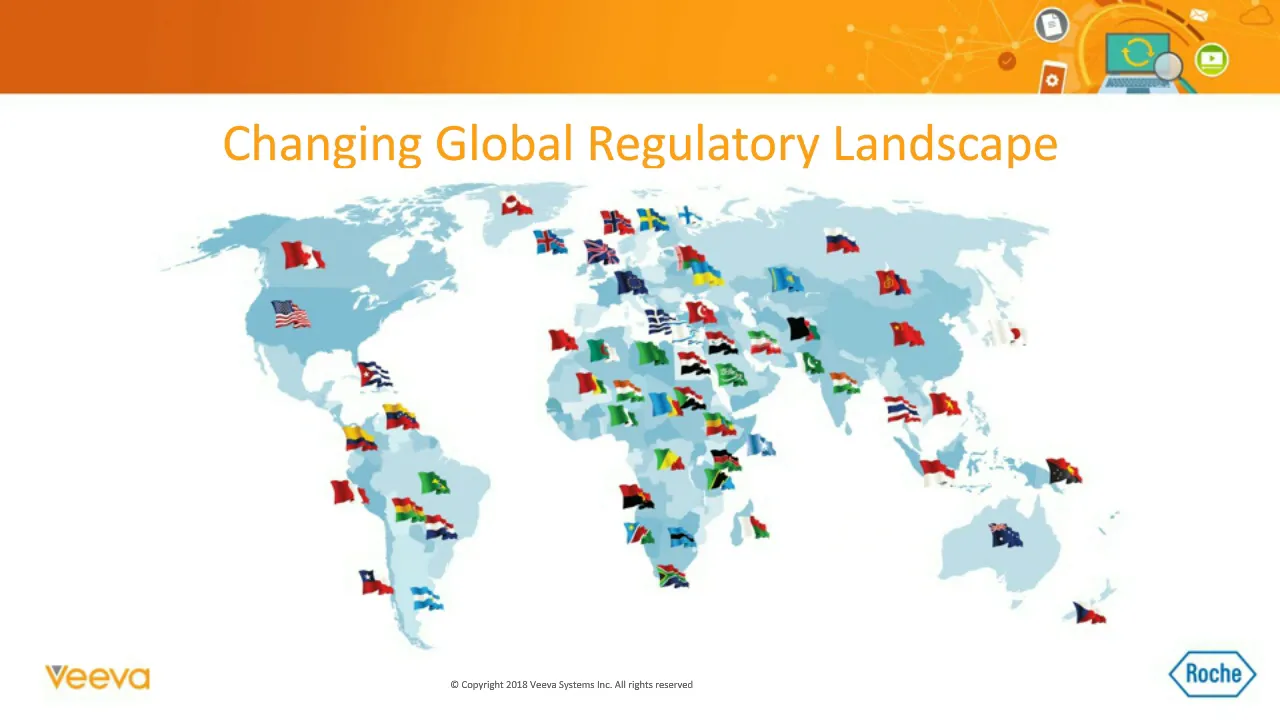
Transform Your Digital Content to Improve Speed to Market While Maintaining Compliance
Veeva Systems Inc
/@VeevaSystems
Jul 31, 2018
This webinar, presented by Veeva Systems and featuring a case study from Roche Diagnostics, explores the critical challenges facing the life sciences industry in managing digital content and outlines a strategy for digital transformation centered on speed, compliance, and insight. The speakers, Terry Howard (Veeva) and Sean Kunto (Roche Diagnostics), establish that the industry faces an explosion of digital content across multiple channels (social media, field sales, conferences), leading to increased costs, resource drain, and high compliance risk. A survey cited by Veeva indicated that over 75% of pharma and 95% of medtech companies report a moderate to enormous increase in content volume, yet a surprisingly low percentage (10-15%) have adequate content strategies. The presentation frames the solution as developing a mature, connected digital content supply chain, moving away from disparate systems like paper, email, or homegrown technology, which currently account for over 50% of systems used by respondents. The discussion identifies three primary drivers for digital transformation in content management: speed to market, compliant content adherence, and the desire for actionable insights (analytics and metrics). Roche Diagnostics’ journey serves as a detailed case study illustrating how they addressed these drivers by implementing a single source of truth using Veeva Vault PromoMats. Roche, being a highly decentralized organization with siloed decision-making, faced challenges including non-existent review processes, lack of content reuse (less than 1% globally), and difficulty in maintaining audit trails, leading to significant compliance risk. Their vision was to establish a single system for end-to-end content review, approval, and automated distribution/withdrawal, linking promotional claims directly to substantiation documents. Sean Kunto detailed Roche’s successful strategy for overcoming organizational and technical barriers. Key success factors included securing strong, actively engaged executive sponsorship to align a decentralized global organization and establishing a core project team with global representation (including regulatory, IT, and key affiliates). Technically, Roche implemented a middleware layer connecting the Veeva content approval system (PromoMats) to various integrated digital channels (websites, e-detailing, marketing automation). This integration was crucial for automating the replacement of versioned content (e.g., updating a 1.0 version to a 2.0 major version upon approval) and ensuring the timely, automated withdrawal of expired content based on built-in business rules. Furthermore, Roche addressed the low content reuse rate by standing up a brand portal integrated with the content approval system. This portal provides a single point of access for all approved promotional content and source files (InDesign, Photoshop, PPTX), enabling local affiliates to easily localize and reuse global or local-to-local content. This reuse strategy is estimated to yield around 40% savings compared to creating content from scratch. The speakers emphasized that achieving this transformation required significant organizational change management, detailed planning, and a commitment to building standard global processes while retaining flexibility to accommodate specific local country laws and regulations. **Detailed Key Takeaways** * **Compliance is the Primary Transformation Driver:** While speed and insight are crucial, 60% of survey respondents indicated that compliance is the most significant driver for transforming content management, highlighting the industry's focus on mitigating regulatory risk (FDA, EMA, GDPR, ISO 13485). * **The Compliance Gap in Legacy Systems:** Over 50% of life science companies rely on basic or homegrown technology (paper, email, spreadsheets) for content management, leading to alarming gaps; nearly 50% of respondents reported not having an adequate audit trail for content approval, making compliance demonstrations difficult. * **The Cost of Content Volume Explosion:** The massive increase in digital content volume (reported by 75-95% of companies) means more time and resources are spent on operational management and production rather than strategic marketing use, demanding efficient automation and streamlined workflows. * **The Value of Content Reuse:** Roche Diagnostics, which initially had less than 1% global content reuse, enabled significant savings by implementing a single source of truth and a brand portal. Reusing content is estimated to provide approximately 40% cost savings compared to recreating assets, offering a clear ROI case. * **Necessity of Strong Executive Sponsorship:** For decentralized organizations like Roche, strong executive sponsorship is vital for achieving global alignment on a single system and process, serving as the key escalation point to overcome internal organizational barriers and resistance across regions and affiliates. * **Automating Content Withdrawal is Critical:** A core component of compliance is ensuring expired or withdrawn content is removed from all digital channels promptly. Roche achieved this by integrating the content approval system (Veeva Vault PromoMats) with digital channels via a middleware layer, enforcing expiration dates through automated business rules. * **Middleware is Essential for Integration:** Implementing a robust, flexible middleware technology layer is necessary to connect the content approval system (like Veeva Vault PromoMats) via APIs to various downstream digital channels (websites, e-detailing platforms, marketing automation) for automated content distribution and version control. * **Balancing Global Standards and Local Flexibility:** Successful global implementation requires establishing a global standard operating procedure (SOP) for content approval while building in flexibility within the system configuration to accommodate non-negotiable local country laws and regulations. * **The Brand Portal as an Enabler of Reuse:** Providing a single, integrated brand portal that offers quick access to all approved content, source files (e.g., InDesign, PPTX), and powerful search functionality is essential to facilitate global-to-local and local-to-local content reuse. * **Organizational Change Management is Non-Negotiable:** A project of this size requires solid change management strategies to address internal resistance, equip sponsors, and provide the necessary tools for adoption, especially when transitioning users away from familiar, albeit inefficient, legacy processes. * **Linking Claims to Substantiation:** A key functional requirement for compliance is the ability to link promotional claims made in marketing materials directly to their substantiation documents or reference materials, ensuring that information can be produced on demand during audits. * **Focus on Post-Launch Governance:** Ongoing success requires a dedicated team responsible for knowledge transfer, knowledge sharing, and proactive monitoring of system metrics (like average upload-to-approval time) to identify and address bottlenecks in specific countries or business areas. **Tools/Resources Mentioned** * **Veeva Vault PromoMats:** The industry-specific end-to-end solution used by Roche Diagnostics for managing the digital content lifecycle, including creation, review, approval, distribution, and withdrawal. * **Middleware Technology:** A commercially available, flexible global standard technology layer implemented by Roche's IT organization to connect the content approval system (PromoMats) via APIs to all integrated digital channels. * **Brand Portal:** A system connected and integrated with the content approval system, serving as a single point of access for all approved promotional content and source files for reuse and localization. **Key Concepts** * **Digital Content Supply Chain:** The conceptual framework describing the seamless, efficient lifecycle of digital assets, starting from creation and collaboration, through review and approval, distribution to channels, and ending with expiration and withdrawal. * **Single Source of Truth (SSOT):** The strategic goal of aligning all content management processes and systems onto one common platform (e.g., Veeva Vault PromoMats) to ensure consistency, traceability, and compliance across a global organization. * **Version Control Automation:** The technical process of automatically replacing older versions of approved content on digital channels with newly approved major versions (e.g., 2.0) upon completion of the medical/legal/regulatory review cycle. **Examples/Case Studies** * **Roche Diagnostics Global Digital Transformation:** Roche, a decentralized global pioneer in pharmaceuticals and diagnostics, implemented Veeva Vault PromoMats to mitigate high compliance risk and inefficiency (less than 1% content reuse). The project took three cycles to gain final executive approval due to the significant budget and change required. * **ROI of Content Reuse:** Roche estimates a 40% savings when reusing a piece of content versus creating it anew. The implementation of the brand portal and standardized processes was instrumental in achieving this efficiency.
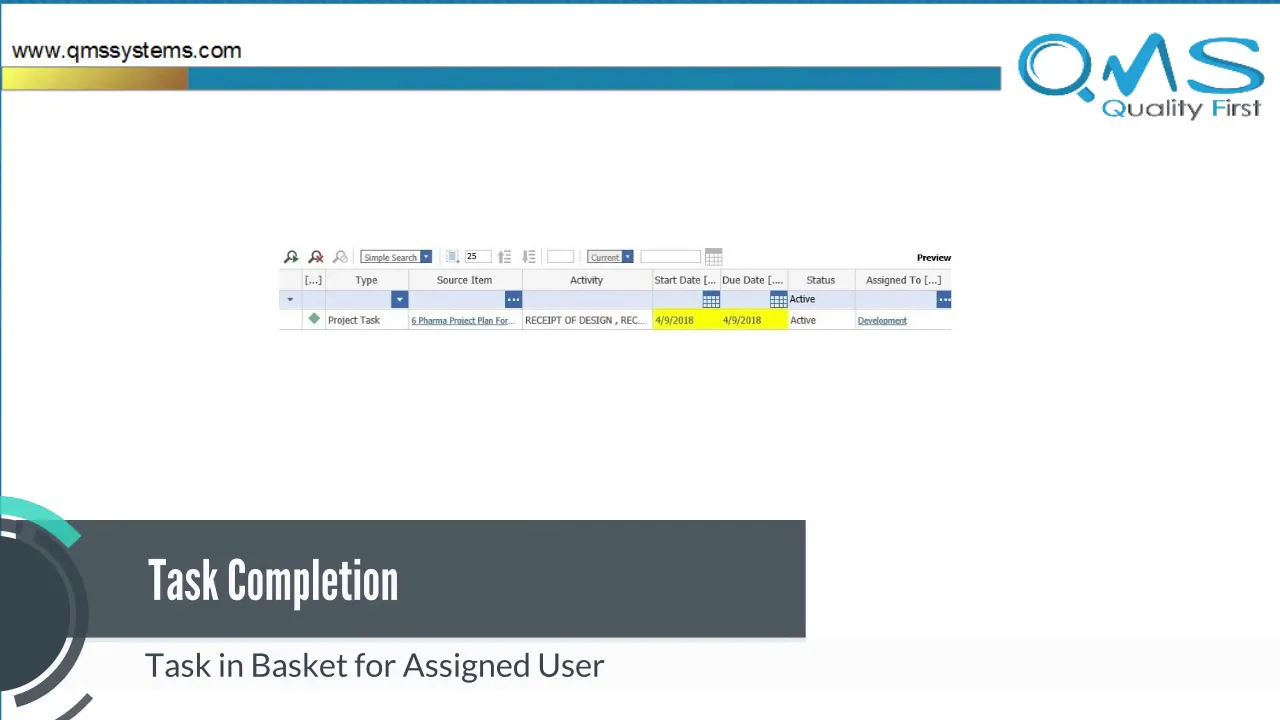
Program Project Management
QMS Systems
/@qmssystems6578
Jul 19, 2018
This video details a specialized Program and Project Management solution offered by QMS Systems, designed specifically for the pharmaceutical industry and integrated within a bespoke Quality Management System (QMS) built using the RS framework. The primary goal of this solution is to serve as an integrated quality data management system, enabling pharmaceutical companies to efficiently oversee complex portfolios, multiple project plans, and activities spanning various geographies and manufacturing plants. The solution emphasizes control, standardization, and real-time data integrity throughout the drug development lifecycle. The system facilitates structured project creation through a dedicated project planner, utilizing template creation features to standardize methodologies and eliminate the repeated creation of plan activities. Execution is managed through features like plan assignments, activation, and robust task completion tracking. Users benefit from task management tools such as an "in-basket" for assigned users, deliverable time records, and percentage complete tracking. Crucially, the system supports dynamic project tracking, allowing for the automatic rescheduling of tasks following late completion, ensuring that project timelines remain accurate and reflective of real-world progress. Beyond individual project execution, the solution focuses heavily on program management, particularly for all pharmaceutical drug development projects. It aims to standardize quality data communication across the entire organization and its extended network, facilitating real-time collaboration with vendors—a critical requirement in complex, regulated supply chains. The system leverages automatic scheduling of tasks based on actual status updates, which is highlighted as a mechanism to eliminate human scheduling errors, provide a real overview of task status, and enable real-time reaction to updates. This automated, data-driven approach is designed to facilitate accurate root cause analysis, reduce the overall cost of quality, and ensure automatic data capture where necessary for regulatory purposes. Visualization and reporting are key components, offering users tools such as a color dashboard for plan status, a graphical view of plan activity, and traditional Gantt charts. By integrating project management directly into a QMS framework, the solution ensures that operational efficiency is maintained while simultaneously adhering to the high standards of quality data management required in the pharmaceutical sector, positioning it as a tool for both operational optimization and regulatory compliance. Key Takeaways: * **Integrated QMS and Project Management:** The market demands solutions that tightly integrate project management functions with Quality Management Systems (QMS), specifically to manage quality data and ensure compliance throughout the drug development and manufacturing processes. * **Standardization via Templates:** Utilizing template creation for project plans is a critical feature for pharmaceutical firms, as it ensures process standardization, reduces administrative overhead, and minimizes the risk of non-compliant project structures across different teams or sites. * **Real-Time Collaboration with Vendors:** Effective program management must extend beyond internal operations to include real-time collaboration capabilities with vendors and external partners, requiring standardized quality data communication across the extended organization. * **Automated Scheduling:** The system emphasizes automatic scheduling based on actual status updates, which is essential for eliminating human scheduling errors, providing accurate status overviews, and allowing management to react to real-time changes immediately. * **Focus on Cost of Quality:** A key value proposition is the reduction of the "overall cost of quality," suggesting that efficient project management and automated data capture are marketed as financial optimization tools, not just compliance necessities. * **Granular Task Tracking:** Detailed task completion features, including tracking deliverables, time records, and percentage complete, provide the granular level of control and auditability necessary for regulated GxP environments. * **Root Cause Analysis Facilitation:** The ability to perform accurate root cause analysis implies that the system captures historical data and links project execution failures or delays directly to quality events, supporting CAPA (Corrective and Preventive Action) processes. * **Portfolio Oversight:** The solution is designed to easily oversee multiple plans across diverse geographies and plants, indicating a strong focus on enterprise-level portfolio management for large, multi-site pharmaceutical organizations. * **Visualization Tools:** Standard visualization tools such as color dashboards, graphical views, and Gantt charts remain essential for communicating plan status effectively to stakeholders and management. * **Data Capture Automation:** Automatic data capture is highlighted as a core feature, reducing manual entry and ensuring data integrity, which is crucial for maintaining 21 CFR Part 11 compliance and robust audit trails. Tools/Resources Mentioned: * QMS Systems Program and Project Management Solution * RS Framework (used for building the QMS) * Project Planner * Gantt Chart Key Concepts: * **Integrated Quality Data Management System:** A unified system where project execution data, quality metrics, and regulatory documentation are managed together, ensuring traceability and compliance. * **Program Management for Drug Development:** Managing the complex, multi-stage lifecycle of pharmaceutical products, encompassing R&D, clinical trials, regulatory submission, and manufacturing scale-up. * **Cost of Quality Reduction:** Utilizing efficient, automated processes and accurate data capture to minimize expenses associated with failures, appraisals, and prevention efforts in quality management.

The Benefits of an Electronic Quality Management System (EQMS)
TIP Technologies
/@tiptechnologies3178
Jul 13, 2018
This video provides an in-depth exploration of the benefits of implementing an Electronic Quality Management System (EQMS) in modern manufacturing environments. The presentation begins by establishing the challenging context of fierce global competition and increasing customer demands, highlighting how a lack of effective control over the product lifecycle inevitably leads to quality faltering. It positions an EQMS as a crucial solution for ensuring manufacturing success by digitizing record-keeping and eliminating error-prone paper-based processes. The core of the video details how an EQMS streamlines various critical aspects of quality management. It emphasizes the system's ability to manage compliance and regulatory requirements, such as ISO, D FAR's, and AS-90100D, which is invaluable in rapidly evolving regulatory landscapes and significantly reduces audit concerns. The discussion progresses to highlight the improvements in cross-functional communication and data transparency, achieved through real-time access to quality and manufacturing data. This unified view, often facilitated by effective ERP integration, creates a "single source of the truth," ensuring consistent quality processes from source inspection through final device approval. Furthermore, the video delves into specific operational advantages, such as the electronic management of inspection steps, preventing the circulation of outdated paper records. It explains how failed criteria can be immediately recorded as nonconformities, placing material on hold and initiating electronically tracked corrective actions with detailed task plans. The importance of traceability is underscored, with an EQMS managing the complete genealogy of every part, sub-assembly, and final assembly. The system also ensures document revision control, making the latest approved documentation always available, and supports periodic review requirements and controlled approval processes. Finally, the presentation touches upon enhanced supply chain visibility, supplier performance tracking, calibration management for measurement tools, and comprehensive employee training management, all contributing to higher product quality and operational excellence. Key Takeaways: * **Elimination of Paper-Based Processes:** An EQMS digitizes quality management, eliminating lost documents, filing errors, and outdated paper records, thereby ensuring higher product quality and operational efficiency. * **Streamlined Regulatory Compliance:** The system centralizes and manages compliance with industry standards like ISO, D FAR's, and AS-90100D, proving invaluable in dynamic regulatory environments and significantly reducing audit concerns for companies in highly regulated industries. * **Enhanced Cross-Functional Communication:** EQMS provides real-time access to quality and manufacturing data, fostering a "single source of the truth" across the enterprise, especially when integrated with ERP systems, which improves decision-making and consistency. * **Consistent Inspection Processes:** It ensures that inspectors always have access to the latest approved criteria for incoming material and in-process inspections electronically, preventing errors associated with outdated paper records. * **Effective Nonconformity and Corrective Action Management:** Failed inspection criteria can be immediately recorded as nonconformities, leading to material holds. The system then electronically tracks corrective actions, complete with detailed task plans, ensuring all necessary steps are completed before closure. * **Robust Traceability and Genealogy:** EQMS offers the power and flexibility to create, record, query, and manage traceability requirements, maintaining a complete genealogy of every part, sub-assembly, and final assembly, which is critical for compliance and quality investigations. * **Controlled Document Management:** The system ensures that only the latest approved documentation is always available through robust document revision control. It also facilitates scheduled periodic reviews and manages approval groups for individual assignments, maintaining document integrity. * **Improved Supply Chain Visibility:** EQMS enhances transparency by tracking key performance indicators (KPIs) such as delivery, cost, and compliance for suppliers. This visibility helps identify areas needing attention, promotes continuous improvement, and quantifies the real cost of supplier failures. * **Measurement Tool Calibration Management:** Records are maintained on specific measurement tools used in assembly steps and product components. If a tool is found to be out of calibration, the system allows for easy review of all associated measurements to assess impact and implement quality improvements. * **Comprehensive Employee Training Tracking:** For highly regulated industries, EQMS effectively tracks employee training requirements related to manufacturing processes or regulatory compliance. It sends reminders for expiration dates and can restrict employees with expired training from performing tasks, ensuring a properly educated workforce and higher quality end products. * **Operational Excellence and Efficiency:** Implementing an EQMS enables best practices in quality management, ensuring operational excellence throughout the product lifecycle. It helps companies meet quality and compliance challenges while simultaneously increasing manufacturing efficiencies. Tools/Resources Mentioned: * **TIPQA:** TIP Technologies' quality management solution, highlighted as a leader in the field. * **ERP (Enterprise Resource Planning):** Mentioned as a system that can integrate with EQMS to create a "single source of the truth." Key Concepts: * **Electronic Quality Management System (EQMS):** A computer-based system designed to manage and automate quality processes, documentation, and compliance within an organization. * **Regulatory Compliance:** Adherence to industry standards and government regulations (e.g., ISO, D FAR's, AS-90100D, and implicitly GxP, FDA, EMA for highly regulated industries). * **Product Lifecycle Management:** The process of managing the entire lifecycle of a product from inception, through engineering design and manufacture, to service and disposal. * **Nonconformity:** A deviation from a specification, standard, or expectation. * **Corrective Actions:** Actions taken to eliminate the cause of a detected nonconformity or other undesirable situation to prevent recurrence (often part of a CAPA process). * **Traceability:** The ability to track the history, application, or location of an item or activity by means of recorded identification. * **Document Revision Control:** A system for managing changes to documents, ensuring that only the latest approved versions are in use and accessible. * **Supplier Performance Management:** The process of measuring, analyzing, and managing the performance of suppliers to control costs, mitigate risks, and drive continuous improvement. * **Calibration Management:** The process of ensuring that measurement tools and equipment are accurate and functioning correctly according to established standards. * **Employee Training Management:** The system for tracking, managing, and ensuring that employees have the necessary skills and certifications for their roles, especially in regulated environments.

Industry Update: Zinc to Vault PromoMats
NetworkPharma
/@networkpharmatv
Jul 6, 2018
This video provides an in-depth industry update on the migration from Zinc to Veeva Vault PromoMats, presented by Stacy Hardie, Associate Director, Content Partners at Veeva Europe. The primary purpose of the presentation is to inform Veeva's mutual customers and agency partners about the progress, benefits, and support mechanisms related to this significant platform transition within the life sciences industry. The speaker outlines the strategic context of Veeva's product suite, the enhanced capabilities of Vault PromoMats, and the critical role of agencies in ensuring a smooth and successful migration for pharmaceutical companies. The presentation begins by establishing the background of Veeva's acquisition of Zinc in 2015 and the subsequent plan to transition existing Zinc MAPS customers to Vault PromoMats. Hardie notes that by 2018, 50% of Zinc customers had either migrated or committed to the transition, with the Zinc product slated for discontinuation at the end of 2020. This timeline underscores the urgency for agencies and pharma companies, particularly in key markets like the UK, to understand the new product and prepare for the change. The discussion then broadens to position Vault PromoMats within Veeva's extensive cloud-based ecosystem, which spans the entire life sciences value chain from R&D through medical affairs to commercial operations. Vault PromoMats and Vault MedComms are highlighted as the key applications impacting medical communications, designed to streamline content creation, review, and distribution while ensuring compliance. A significant portion of the update focuses on the advanced features and strategic advantages of Vault PromoMats over its predecessor, Zinc. Hardie explains how PromoMats completes the "digital supply chain" by integrating medical, legal, and regulatory (MLR) approval processes with automated content distribution and withdrawal, thereby providing complete visibility and control over commercial and medical materials. Key enhancements include a deeper audit trail, configurable verdicts for reviews (eliminating "forgotten stamps"), a multi-purpose annotation tool with automatic text/image detection and revision text capabilities, and anchoring for references to facilitate easier and more accurate content reuse. The speaker emphasizes the importance of source content support in PromoMats, enabling customers to drive content efficiencies, promote reuse across geographies, and gain insights into content leverage. The video concludes by detailing Veeva's comprehensive support for agencies, including a dedicated certification program, a 24/7 Global Service Center, and various community resources, underscoring the collaborative effort required for a successful industry-wide transformation. Key Takeaways: * **Mandatory Migration Timeline:** The Zinc product was scheduled for discontinuation at the end of 2020, necessitating all existing Zinc MAPS customers to migrate to Veeva Vault PromoMats. Agencies and pharmaceutical companies needed to be aware of this deadline and plan accordingly. * **Veeva's Integrated Life Sciences Ecosystem:** Veeva offers a comprehensive suite of cloud-based products that span the entire life sciences company, from R&D to medical and commercial operations. Vault PromoMats and Vault MedComms are integral parts of this ecosystem, specifically targeting content management and medical communications. * **Vault PromoMats as a Holistic Solution:** Vault PromoMats is presented as a life sciences-specific application that combines content creation, review, and distribution capabilities with integrated digital asset management (DAM). It ensures compliance, manages referencing and claims, and serves as a global repository for storing and sharing approved digital assets. * **Completing the Digital Supply Chain:** Unlike disconnected legacy systems where review and distribution occurred in separate platforms, Vault PromoMats completes the digital supply chain. It integrates MLR approval processes with automated content distribution and withdrawal, providing end-to-end visibility and control over commercial and medical materials. * **Enhanced Compliance and Auditability:** Vault PromoMats offers a deeper and clearer audit trail compared to Zinc. It features configurable verdicts for review tasks, ensuring compliance by requiring explicit actions to complete reviews and preventing "forgotten stamps" or missed approvals. * **Streamlined Review and Annotation Tools:** The platform includes a multi-purpose annotation tool that automatically detects text versus images and offers a revision text tool to copy selected text directly into comment boxes. This significantly simplifies the review process for agencies and internal teams. * **Improved Referencing and Content Reuse:** PromoMats supports anchoring for references, allowing specific sections within a reference document to be linked, which enhances accuracy and ease of content reuse. The ability to upload source content directly to PromoMats is a key differentiator, driving content efficiencies and promoting sharing across geographies while maintaining data chain of custody. * **Critical Role of Agencies in Digital Transformation:** Agencies are identified as crucial partners in the migration process, responsible for uploading content, completing referencing, and incorporating reviewer feedback. Their proficiency with Vault PromoMats is essential for the success of their clients' digital transformation initiatives. * **Veeva's Agency Certification Program:** To support agencies, Veeva launched a certification program comprising over 50 interactive training modules, an exam simulation, and a certification database. This program aims to ensure agencies possess the necessary knowledge and competencies with the product. * **Comprehensive Support Resources:** Veeva provides extensive support, including a 24/7 Global Service Center for technical assistance, LinkedIn community groups (Promotional Compliance Group, DAM Life Sciences Community), a dedicated Zinc Migrations Tab on Vault Online Help, and the Vault PromoMats Innovation Hub with webinars on best practices and new features. **Tools/Resources Mentioned:** * **Veeva Vault PromoMats:** The primary content management and promotional materials approval platform. * **Veeva Vault MedComms:** A related Veeva product for medical communications content. * **Zinc MAPS:** The legacy content management software being migrated away from. * **Veeva's LMS System:** The learning management system used for the agency certification program's training modules. * **Veeva Global Service Center:** Provides 24/7 technical support for Veeva products. * **LinkedIn Groups:** * Promotional Compliance Group * DAM Life Sciences Community * **Vault Online Help:** Specifically, the "Zinc Migrations Tab" for transition guides, terminology glossaries, and how-to videos. * **Vault PromoMats Innovation Hub:** A resource on Veeva.com offering webinars on best practices, product features, and capabilities. * **Veeva.com/agencies:** A web page dedicated to agency support, including details on the multi-channel partner program and the Vault PromoMats certification program. **Key Concepts:** * **Digital Supply Chain:** The integrated process of content creation, review, approval, distribution, and withdrawal within a single, connected system, ensuring complete visibility and control. * **Digital Asset Management (DAM):** Capabilities within Vault PromoMats for storing, tagging, and sharing approved digital assets globally across an organization. * **Medical Legal Regulatory (MLR) Approval:** The critical process of reviewing and approving marketing, educational, and communication materials to ensure compliance with industry regulations. * **Content Reuse:** The strategy of leveraging existing approved content across different geographies, channels, or campaigns to improve efficiency and consistency, facilitated by features like source content support and anchoring for references. * **Configurable Verdicts:** A feature in Vault PromoMats that requires explicit actions or choices during a review task, ensuring that reviewers provide clear outcomes and preventing accidental or incomplete approvals. * **Anchoring for Referencing:** The ability to link specific sections within a reference document to claims in promotional materials, enhancing accuracy and ease of verification.

Infosys Compliance Edge solution suite for Regulatory Information Management
Infosys
/@Infosys
Jul 1, 2018
This video provides an in-depth overview of the Infosys Compliance Edge solution suite, a purpose-built platform designed to address the escalating global regulatory complexity faced by Life Sciences organizations regarding regulatory submissions and information management. The core objective of the solution is to accelerate time-to-market, reduce cycle times with regulators, and maximize research investments by streamlining the entire regulatory submission process, from planning and document creation to review, approval, tracking, and final submission. The presentation frames regulatory submission as a critical function that, if mismanaged, prevents organizations from realizing the benefits of their R&D investments. The need for a comprehensive solution like Compliance Edge stems from several industry challenges, including the exponential increase in global regulatory complexity, the necessity for timely responses to regulatory queries, the demand for reduction or elimination of regulatory notices, fines, and product recalls, and the persistent issue of product registration inaccuracies in the market. Furthermore, the industry requires a standardized set of regional tools for submission validation and publishing of information. Infosys positions Compliance Edge as a next-generation regulatory platform that facilitates collaborative and efficient work while ensuring strict adherence to regulatory requirements and timely submissions across the enterprise. Architecturally, the solution is built using Open Text Documentum content server and other leading technology components, serving as an end-to-end compliance platform delivered via a Software as a Service (SaaS) model hosted by Infosys. Its major functional components are robust and integrated, including comprehensive document management, regulatory publishing, systematic submission tracking, and advanced reporting capabilities. Key features highlighted include systematic monitoring and tracking of regulatory queries, a unified user experience with optimized search and intuitive dashboards, seamless workflows, and real-time alerting and notifications. Crucially, the platform addresses the challenge of unsynchronized data across disparate departments by providing a unique and common view of regulatory information. The solution is touted as easily customizable and scalable, offering extended support for multiple applications and vendors within the often-scattered technology landscape of life sciences. The video concludes by citing tangible business benefits witnessed by a leading life sciences organization that adopted the platform. These benefits include a multifold reduction of product recall or failure and inaccuracies in the product registration trail. Additionally, the organization experienced a twofold increase in the likelihood of schedule adherence for product submissions and achieved 100% compliance with legal and litigation requirements. These metrics underscore the platform's ability to not only manage data but also drive significant operational efficiency and mitigate critical business risks associated with non-compliance. Key Takeaways: • **Strategic Importance of RIM:** Regulatory Information Management (RIM) is presented as a critical function that directly impacts the realization of research investments and time-to-market, emphasizing that inefficient submission processes can stifle organizational growth and market access. • **Addressing Global Complexity:** The primary driver for the solution is the exponentially increasing complexity of global regulations, necessitating a centralized platform capable of managing diverse regional requirements and submission standards. • **End-to-End Submission Lifecycle Management:** The solution covers the full spectrum of regulatory submissions, encompassing planning, document authoring, review, approval, publishing, and continuous tracking, ensuring a seamless and controlled process. • **SaaS Delivery Model:** Infosys Compliance Edge is delivered as a Software as a Service (SaaS) solution, hosted by Infosys, which reduces the business cost associated with infrastructure management and allows for easier customization and scalability. • **Core Functional Components:** The platform relies on four major functional pillars: document management, publishing capabilities, systematic tracking, and robust reporting/business intelligence dashboards for actionable insights. • **Data Synchronization and Unified View:** A key capability is the ability to handle unsynchronized data across various internal departments, providing a single, unique, and common view of regulatory information, which is essential for accurate submissions. • **Risk Mitigation and Compliance Metrics:** The solution directly addresses regulatory risk by aiming for the elimination of regulatory notices, fines, and product recalls, citing a leading organization achieving 100% compliance with legal requirements post-implementation. • **Accelerated Time-to-Market:** By optimizing regulatory submissions and reducing cycle times with regulators, the platform promises to accelerate the introduction of new products to the market, maximizing the value of research investments. • **Technology Foundation:** The platform is built on established enterprise content management technology, specifically mentioning the use of Open Text Documentum content server, suggesting a robust and scalable foundation for document control. • **Quantifiable Business Outcomes:** Specific metrics cited include a multifold reduction in product recall/failure and registration inaccuracies, alongside a twofold increase in the likelihood of schedule adherence for product submissions, providing clear ROI indicators. • **Systematic Query Monitoring:** The solution includes systematic monitoring and tracking capabilities for regulatory queries, ensuring timely and accurate responses to health authorities, a crucial aspect of maintaining good standing with regulators. • **Workflow and Alerting:** Seamless workflows, real-time alerting, and notification systems are integrated to ensure that critical deadlines are met and that relevant personnel are immediately informed of status changes or required actions. Tools/Resources Mentioned: * Infosys Compliance Edge (Solution Suite) * Open Text Documentum (Content Server Technology) Key Concepts: * **Regulatory Information Management (RIM):** The comprehensive system and processes used by life sciences organizations to manage, track, and submit all regulatory data and documentation required by global health authorities. * **Regulatory Submissions:** The formal process of submitting documentation (e.g., NDAs, BLAs, MAAs) to regulatory bodies (like the FDA or EMA) to gain approval for marketing a drug or medical device. * **Schedule Adherence:** The ability of an organization to meet predefined timelines and deadlines for regulatory submissions, which is critical for market entry and competitive advantage.

Trial Master File (TMF) for Sponsors: Set-Up and Maintenance Trailer
Kathy Barnett
/@kathybarnett4070
Jun 21, 2018
This video provides an in-depth exploration of the Trial Master File (TMF) for sponsors, focusing on its critical role in clinical trial management, setup, maintenance, and regulatory compliance. The speaker, a trainer working with Barnett and Associates, emphasizes the TMF as the comprehensive "story" of a clinical study, documenting every aspect from its inception to its archiving. This narrative approach helps clarify what content belongs in the TMF, asserting that any document contributing to the study's story is relevant. The session is positioned as a foundational class, addressing the evolving regulatory landscape and its impact on essential documentation practices for sponsor trials. The presentation delves into the components of the TMF, offering recommendations for TMF policies and management strategies. A significant portion is dedicated to the practical aspects of maintaining and performing quality control (QC) on the TMF. A core principle reiterated throughout is, "If it didn't get documented, it did not happen," highlighting the TMF's function as irrefutable evidence for health authorities during inspections. The speaker explains that inspectors primarily assess the documentation within the TMF to evaluate trial conduct, confirm data integrity, and ensure compliance with Good Clinical Practice (GCP). The video also discusses common deficiencies and challenges encountered in TMF management and introduces the TMF Reference Model as a key organizational tool. A crucial insight from the speaker is the assertion that TMF content generation is a cross-functional responsibility, not solely confined to clinical operations. The speaker challenges the misconception that only clinical teams contribute to the TMF, arguing that every functional area involved in a study – including medical affairs, regulatory affairs, safety, biosciences, data sciences, vendor management, and even finance – generates "chapters" of the study's story that must be part of the TMF. This holistic view underscores that if a department contributes to the study, it contributes to the TMF. The video also clarifies the definition of "essential documents," noting their evolution beyond the initial scope outlined in ICH GCP Section 8.1, and reiterates that the TMF serves as the "articles of inspection" for regulatory bodies. Key Takeaways: * **TMF as the "Story" of the Study:** The Trial Master File should be conceptualized as the complete narrative of a clinical trial, beginning from its start and concluding with its archive. This perspective simplifies decisions on what content to include, as anything contributing to the study's story belongs in the TMF. * **Regulatory Imperative: Documentation is Evidence:** A fundamental principle in clinical research is "If it didn't get documented, it did not happen." The TMF serves as the primary evidence for health authorities (e.g., FDA, EMA) to verify that a sponsor fulfilled its obligations and conducted the trial as planned. * **TMF is the Focus of Inspections:** Health authority inspections are predominantly an assessment of the TMF. Inspectors review the documentation to evaluate trial conduct, confirm data integrity, and ensure compliance with Good Clinical Practice (GCP), making the TMF the "articles of inspection." * **Cross-Functional Responsibility:** TMF content generation is not limited to clinical operations. All functional areas contributing to a study – including medical affairs, regulatory affairs, safety, biosciences, data sciences, vendor management, and finance – are responsible for generating and contributing relevant documentation to the TMF. * **Evolving Definition of Essential Documents:** While ICH GCP Section 8.1 provides a foundational list, the concept of "essential documents" has evolved. Anything that contributes to the comprehensive story of the trial, beyond the initial list, is considered essential for the TMF. * **Importance of TMF Policy and Management:** Establishing clear policies and robust management strategies for TMF setup, maintenance, and archiving is crucial for ensuring its completeness, accuracy, and accessibility, which are vital for regulatory compliance. * **Continuous Quality Control and Assurance:** Ongoing quality control (QC) and quality assurance (QA) activities are indispensable for the TMF. These processes help identify and rectify deficiencies, ensuring the TMF remains inspection-ready and accurately reflects the trial's conduct. * **Utilizing the TMF Reference Model:** The TMF Reference Model is a valuable tool for organizing and standardizing TMF content. Its discussion in the seminar highlights its utility in overcoming common organizational challenges and promoting consistency across trials. * **Ensuring Data Integrity and GCP Compliance:** The ultimate purpose of the TMF is to enable the evaluation of the trial's conduct, confirm the integrity of the data collected, and demonstrate compliance with GCP, which are non-negotiable aspects of clinical research. * **Addressing Common Deficiencies:** The seminar discusses common deficiencies and challenges in TMF management, providing insights into pitfalls to avoid and best practices for maintaining a compliant and comprehensive TMF. Key Concepts: * **Trial Master File (TMF):** A collection of essential documents that individually and collectively permit the evaluation of the conduct of a clinical trial and the quality of the data produced, and demonstrate compliance with GCP. * **Essential Documents:** Documents that allow for the evaluation of the conduct of the trial, the quality of the data, and demonstrate compliance with GCP. Their scope extends beyond the initial ICH GCP 8.1 list to include anything relevant to the trial's "story." * **Sponsor Obligations:** The responsibilities of the organization (e.g., pharmaceutical company, CRO) initiating, managing, and/or financing a clinical trial, particularly concerning documentation and regulatory compliance. * **ICH GCP Section 8.1:** A specific section within the International Conference on Harmonisation's Guideline for Good Clinical Practice that defines essential documents for the conduct of a clinical trial. * **TMF Reference Model:** An industry-standard, universally accepted taxonomy and hierarchy for TMF documents, designed to facilitate consistent organization and management of TMF content. * **Quality Control (QC) and Quality Assurance (QA):** Systematic processes to ensure that the TMF meets predefined quality standards, is complete, accurate, and compliant with regulatory requirements. * **Health Authority Inspections:** Audits conducted by regulatory bodies (e.g., FDA, EMA) to assess the conduct of clinical trials and ensure compliance with applicable regulations and guidelines. * **Code of Federal Regulations (CFR) and EU Directives:** Legal frameworks and guidelines that govern clinical research and documentation practices in the United States and the European Union, respectively.

Mango - Quality Management System
Mango
/@Mangolive
May 21, 2018
This video provides an in-depth exploration of Mango, a Quality Management System (QMS) software designed to alleviate the administrative burdens and complexities associated with maintaining a robust quality system. The presenter begins by likening running a good QMS to being a "skilled juggler," highlighting the myriad tasks involved, such as conducting audits, updating policies, tracking training records, managing non-conformances and corrective actions, maintaining equipment, evaluating suppliers, and holding management reviews. The core problem identified is the pain of manual administration, including excessive paperwork, spreadsheets, and double-handling, which often leads to falling behind or forgetting critical tasks. Mango is introduced as a comprehensive solution built by former quality managers and auditors who understand these challenges firsthand. The video details how Mango addresses these issues by modularizing all aspects of a QMS, such as improvements, audits, and training. These modules seamlessly interact and share information in the background, presenting users with an easy-to-use interface. Mango's two key functionalities are providing real-time status updates of the entire system and automatically notifying users when tasks need to be completed. This ensures users always have the most up-to-date information, from employee qualifications to current document versions, and are prompted for actions like audits, training renewals, calibrations, and supplier evaluations, eliminating the need for manual tracking. A guided tour of Mango's dashboard and various modules illustrates its capabilities. The dashboard offers high-level, instant, and accurate information, such as the number of open or closed improvements across business areas. The "Events" module acts as the system's "beating heart," reminding users of due tasks like internal audits or equipment recalibrations, and escalating alerts to management if tasks are consistently missed. The "Compliance" module is crucial for meeting regulatory obligations, including legislation, regulations, and international standards like ISO 9001, 14001, 22000, and 45001. It allows for easy configuration, recording, and control of compliance issues, linking verifiable evidence to requirements, automatically creating legal registers, and identifying compliance gaps for action planning. Other modules include "Improvement" (managing non-conformances, CAPA, customer complaints, deviations), "Audit/Inspection" (automated checklists, direct integration with improvement module, automatic report generation), "Documents" (centralized, version-controlled, electronic signatures, automatic archiving), "Human Resources" (managing employee skills, training, competencies, qualifications, and skills matrices), "Plant and Equipment Maintenance," and "Suppliers and Contractors" (tracking evaluations and non-conformances). The video concludes by emphasizing Mango's benefits: greater transparency, freedom from repetitive tasks, increased efficiency, and the ability for quality managers to focus on business improvement. Key Takeaways: * **Addressing QMS Administrative Burden:** Running a Quality Management System (QMS) is often a complex, administrative-heavy task involving juggling numerous elements like audits, policies, training, non-conformances, and equipment maintenance. Mango aims to eliminate the pain points of manual tracking, spreadsheets, and double-handling. * **Real-time System Status:** Mango provides instant, accurate, and real-time visibility into the entire QMS. This means users can quickly ascertain information such as qualified employees for specific tasks, current document versions, or the status of non-conformances without sifting through multiple files or spreadsheets. * **Automated Reminders and Notifications:** The system automatically notifies users when tasks are due, covering everything from audits and training renewals to equipment calibrations and supplier evaluations. This proactive alert system helps prevent oversight and ensures timely completion of critical QMS activities. * **Modular and Integrated Design:** Mango's QMS is built on interconnected modules (e.g., improvements, audits, training, compliance, documents, HR). These modules seamlessly share information, eliminating the need for redundant data entry and ensuring consistency across the system. * **Comprehensive Compliance Management:** The "Compliance" module allows organizations to manage adherence to various obligations, including national legislation, industry regulations, and international standards like ISO 9001, 14001, 22000, and 45001. It helps create legal registers, identify compliance gaps, and link verifiable evidence to demonstrate conformity to authorities. * **Streamlined Improvement Processes:** The "Improvement" module centralizes the management of critical quality issues such as customer complaints, non-conformances, corrective actions (CA), preventive actions (PA), audit findings, document change requests, and deviations, making them visible and actionable for all relevant stakeholders. * **Automated Audit Workflow:** The "Audit/Inspection" module simplifies the auditing process by providing automated email reminders for due audits, digital checklists for recording findings (including photos/videos), and direct integration with the improvement module to automatically create non-conformances. It also automatically generates audit reports upon sign-off. * **Centralized Document Control:** The "Documents" module ensures everyone works from the most current version of policies, procedures, forms, and checklists. It features an electronic signature process for editing, approving, and publishing, with automatic archiving of old versions and controlled access to ensure document integrity. * **Integrated Human Resources Management:** The "Human Resources" module centralizes all employee-related QMS information, including training records, competency records, certificates, performance appraisals, and qualifications. It also facilitates the easy creation of skills matrices, ensuring that only authorized personnel can access sensitive HR data. * **Enhanced Efficiency and Focus:** By automating routine administrative tasks, Mango frees up quality managers from repetitive jobs, allowing them to dedicate more time to strategic business improvement initiatives. This also makes external audits significantly easier and provides CEOs with instant insights into the QMS's overall health. **Tools/Resources Mentioned:** * **Mango:** A Quality Management System (QMS) software. **Key Concepts:** * **Quality Management System (QMS):** A formalized system that documents processes, procedures, and responsibilities for achieving quality policies and objectives. * **Non-conformance:** A deviation from a specification, standard, or expectation. * **Corrective Action Preventive Action (CAPA):** A system for investigating and correcting identified non-conformances (corrective action) and preventing potential non-conformances (preventive action). * **ISO Standards:** International Organization for Standardization standards, such as ISO 9001 (Quality Management), ISO 14001 (Environmental Management), ISO 22000 (Food Safety Management), and ISO 45001 (Occupational Health and Safety Management). * **Legal Register:** A document that lists all legal and other requirements applicable to an organization's operations, products, or services. * **Skills Matrix:** A visual tool used to map required and actual skills for a team or organization, often used for training and development planning.

What is a Trial Master File (TMF) Specialist?
Elite Clinical Research
/@EliteClinicalResearch
May 17, 2018
This video explores the critical role of a Trial Master File (TMF) Specialist within clinical research. The speaker highlights a pervasive industry challenge: TMFs are frequently in "bad shape," leading to significant financial and operational burdens for sponsors at the end of a study. The TMF Specialist position has emerged to address this by serving as a dedicated point person responsible for ensuring the completeness, accuracy, and up-to-dateness of the TMF throughout the trial. This proactive management aims to mitigate the stress and costs associated with last-minute reconciliation, emphasizing the TMF's status as the "most important deliverable" to the sponsor. The role involves extensive document handling, auditing, quality assessment, and ensuring compliance with sponsor requirements, thereby streamlining clinical operations and supporting regulatory readiness. Key Takeaways: * **Widespread TMF Challenges:** The clinical research industry faces a significant problem with poorly maintained Trial Master Files, leading to substantial costs, delays, and stress for sponsors at the conclusion of studies. * **Strategic Importance of TMF:** The TMF is identified as the "most important deliverable" to sponsors, underscoring its critical role in regulatory compliance, audit readiness, and overall study integrity. * **Shift to Proactive Management:** The emergence of the TMF Specialist role signifies an industry shift towards continuous, proactive management of TMFs throughout the clinical trial lifecycle, moving away from reactive reconciliation at study close-out. * **Comprehensive TMF Oversight:** TMF Specialists are responsible for monitoring the health of the TMF, ensuring all essential documents are collected, correctly filed, named, signed, and complete, and aligning with sponsor and regulatory requirements. * **Operational Pain Points:** The video implicitly points to opportunities for process improvement, such as the challenge of monitors not prioritizing TMF document submission and high staff turnover, which complicate document collection and maintenance.

Generation Veeva: Consultant Development Program EU (CDP)
Veeva Systems Inc
/@VeevaSystems
May 17, 2018
The video details Veeva Systems' Consultant Development Program (CDP), an initiative designed to rapidly develop university graduates into skilled consultants specializing in the implementation and customization of Veeva products for the life sciences industry. Participants consistently describe the CDP as a crucial "launching pad" for a career in enterprise software consulting, emphasizing the program's ability to provide a foundational, unique set of skills necessary for success in this specialized field. The environment is highly collaborative, drawing together individuals from diverse educational backgrounds and skill sets, which fosters continuous peer-to-peer learning and knowledge sharing across the cohort. A core focus of the training is the development of practical, client-facing implementation expertise. Consultants explain that their day-to-day work involves direct communication with clients to deeply understand their requirements. The objective is not simply to install the software but to "tailor the product" to fit the client's specific needs "as fast as we can." This requires hands-on technical involvement, as consultants are responsible for "building that in the system" to ensure the final product is perfectly customized. This emphasis on bespoke configuration highlights the complexity and specialized nature of Veeva deployments within the regulated pharmaceutical sector. Furthermore, the video underscores the inherently global nature of Veeva consulting. Participants mention working with business units across major international markets, including Europe (Germany, France), the US, Japan, China, and Brazil. This global exposure ensures that consultants develop a broad understanding of international business practices and the challenges inherent in multinational deployments. The program is credited with significantly broadening the professional horizons of participants, providing them with the necessary framework to gather complex project requirements—the "pieces of the puzzle"—and deliver high-quality, tailored solutions. The intensive nature of the program leads to rapid professional evolution, with consultants noting substantial skill development within their first year. Key Takeaways: * **Veeva’s Talent Development Strategy:** The Consultant Development Program (CDP) is Veeva’s established mechanism for cultivating specialized, platform-specific consulting talent from new graduates, indicating a strong internal focus on building expertise necessary for complex life sciences implementations. * **Customization is Essential:** Successful Veeva consulting is defined by the ability to deeply customize and configure the platform. Consultants explicitly state their role involves tailoring the product and building bespoke solutions directly into the system to achieve a "perfectly tailored" fit for client needs. * **Global Operational Context:** Veeva consultants operate within a global framework, communicating with business units across major regulated markets (EU, US, APAC), emphasizing that consulting firms must possess or develop expertise in managing multinational deployments and diverse regulatory environments. * **Multidisciplinary Team Requirement:** The CDP deliberately recruits individuals from diverse backgrounds, reinforcing the idea that high-quality enterprise consulting requires multidisciplinary teams capable of leveraging varied skill sets and perspectives to solve complex client challenges. * **Rapid Skill Acquisition:** The program is designed for intense, accelerated professional growth, suggesting that new consultants are expected to move quickly from foundational knowledge to hands-on, client-facing implementation roles within the first year. * **Teamwork as a Core Competency:** The most significant soft skill highlighted is "good teamwork," indicating that the complexity of Veeva projects necessitates strong internal collaboration and communication among consulting teams to effectively manage scope and delivery. * **Client-Centric Delivery Focus:** The ultimate goal of the consultant is to deliver the best quality of work by gathering all the pieces of the puzzle, reinforcing the high standard of solution completeness and client satisfaction required in regulated commercial operations. * **CDP as a Foundation for Specialized Careers:** The program is viewed as providing the unique foundation necessary to be a "great consultant," signaling that specialized Veeva knowledge is a highly valued and distinct skill set within the life sciences technology ecosystem. Tools/Resources Mentioned: * Veeva Products (Implied) * Veeva Consultant Development Program (CDP) Key Concepts: * **Product Tailoring:** The process of customizing and configuring standard Veeva software functionality to precisely align with a specific pharmaceutical client’s unique operational workflows, often involving system configuration and bespoke solution building. * **Global Business Units:** The organizational structure that enables Veeva and its partners to manage projects and clients across diverse international markets, requiring consultants to navigate varying regional requirements and regulatory landscapes.

IQVIA HCP Space Intro
IQVIA
/@IQVIA
Mar 1, 2018
This brief introductory video serves as a promotional announcement for the "IQVIA HCP Space," positioning it as an essential, exclusive social networking and knowledge platform tailored specifically for Healthcare Professionals (HCPs). The core purpose of the platform is to replicate the benefits of a specialized medical library or conference setting within a digital environment, enabling high-value peer-to-peer interaction and access to curated medical knowledge. The video frames the platform as a place where users can connect with "all healthcare practitioners" to exchange knowledge and discuss complex medical cases. The presentation emphasizes several key functionalities designed to enhance professional development and collaboration. Users are invited to connect with fellow practitioners, facilitating the exchange of specialized knowledge and the discussion of complex medical cases. Crucially, the platform promises access to "structured medical information" and up-to-date medical research, suggesting that IQVIA is leveraging its vast data and content resources to provide a reliable source of clinical and scientific updates. The platform aims to help members "stay abreast of all the latest developments in the field," ensuring they remain current in their respective areas of practice. By creating an exclusive, verified environment, IQVIA is addressing the need for trusted, professional-only spaces where HCPs can network without the noise and regulatory concerns often associated with general social media platforms. The platform is framed as a tool for professional growth, allowing members to "network with peers" and engage in meaningful discussions. For pharmaceutical and life sciences companies, the emergence of a centralized, IQVIA-backed HCP networking space represents a significant shift in the digital engagement landscape, potentially creating a new, regulated channel for information dissemination and commercial intelligence gathering, which directly impacts how companies optimize their commercial operations and medical affairs strategies. Key Takeaways: * **Establishment of a Verified HCP Digital Hub:** IQVIA HCP Space is positioned as an exclusive, professional-only networking platform, ensuring that interactions and content exchange occur within a verified community of Healthcare Professionals, which is crucial for maintaining trust and regulatory compliance in medical discussions. * **Facilitation of Peer-to-Peer Knowledge Exchange:** A primary function of the platform is enabling HCPs to connect, exchange specialized knowledge, and discuss real-world medical cases, fostering collaborative problem-solving and accelerating the diffusion of clinical best practices among practitioners. * **Access to Structured Medical Information:** The platform promises users access to "structured medical information" and new medical research, suggesting that IQVIA is utilizing its extensive data assets to curate and deliver high-quality, reliable scientific content directly to the point of care, which is valuable for medical affairs teams. * **Strategic Channel for Commercial Operations:** For pharmaceutical companies, this platform represents a potentially high-value, targeted channel for engaging with HCPs, requiring commercial and medical affairs teams to adapt their digital engagement strategies to incorporate this new ecosystem for information dissemination. * **Data Integration Opportunity for IntuitionLabs:** The existence of a major IQVIA-managed HCP platform creates a critical data integration point. Clients will require robust data pipelines to capture insights regarding HCP activity, content consumption, and networking patterns within this space to inform sales and marketing strategies and measure engagement effectiveness. * **Relevance for AI-Powered Medical Affairs:** The platform’s focus on information exchange and Q&A directly relates to the utility of AI solutions, such as Medical Info Chatbots, which could potentially be integrated or trained using insights gleaned from the types of questions and discussions occurring within the HCP Space to improve response accuracy and relevance. * **Impact on Veeva CRM Strategy:** As a key platform for HCP interaction, data derived from the HCP Space (e.g., engagement metrics, content preferences, peer influence) must be integrated back into Veeva CRM systems to provide a holistic 360-degree view of the customer, maximizing the investment in CRM infrastructure and informing next-best-action recommendations. * **Need for Compliant Digital Engagement:** Because the platform is exclusive and professional, it likely operates under specific terms designed to maintain regulatory compliance. Pharmaceutical clients must ensure that any engagement strategies developed for this space adhere strictly to FDA/EMA guidelines regarding promotional versus non-promotional information exchange, necessitating AI-powered compliance tracking. * **Competitive Intelligence Source:** The platform's content and discussion trends offer a rich source of competitive intelligence, allowing life sciences companies to monitor prevailing medical opinions, identify knowledge gaps, and understand the reception of new research among key opinion leaders (KOLs) and general practitioners. **Tools/Resources Mentioned:** * **IQVIA HCP Space:** An exclusive social networking and professional development platform specifically designed for Healthcare Professionals. **Key Concepts:** * **HCP Networking Platform:** A specialized digital environment designed solely for Healthcare Professionals to connect, share knowledge, and access industry-specific information, differentiating it from general social media and ensuring a professional, verified audience. * **Structured Medical Information:** Curated, organized, and reliable clinical or scientific data provided by IQVIA, intended to serve as a trustworthy resource for practitioners, facilitating quicker access to actionable clinical insights.
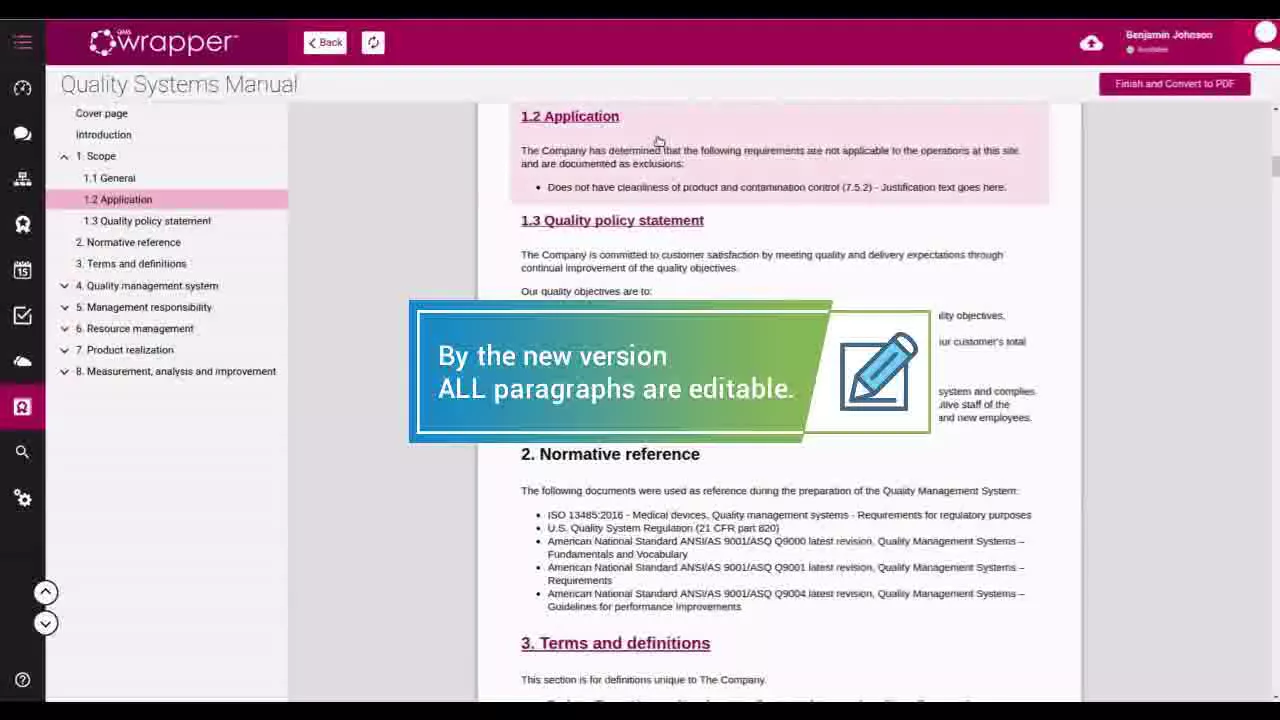
The qmsWrapper Quality System Manual Creator & GAP Report Tool
qmsWrapper
/@qmswrapper4150
Feb 8, 2018
This video provides an in-depth exploration of qmsWrapper's Quality System Manual Creator and GAP Report Tool, designed specifically for the medical device industry. The presentation highlights the critical importance of regulatory compliance in med tech, emphasizing the stringent requirements from bodies like the FDA and EMA for achieving certifications such as CE mark or FDA 510 K clearance. The core message is that a robust Quality Manual is indispensable for any medical device company, and qmsWrapper offers an interactive, integrated solution to simplify its creation and maintenance, ensuring adherence to standards like ISO 13485:2016 and U.S.QSR (21CFR 820). The video demonstrates how the qmsWrapper tool streamlines the process of developing a comprehensive Quality Manual. It showcases an intuitive interface where users can navigate through chapters covering different parts of the ISO 13485 standard. The tool allows for customization of paragraphs to fit specific company needs, providing hints, examples, and actionable information during the editing process. A key feature is the ability to mark and filter chapters as "applicable" or "not applicable," tailoring the manual to the company's unique operations. Furthermore, the Quality Manual is seamlessly connected to the company's business processes, allowing users to link predefined or custom-created processes directly within the manual, thereby integrating workflows with quality documentation. Beyond manual creation, the video introduces the invaluable GAP Report Tool. This feature is designed to proactively identify discrepancies between current company practices and the requirements of compliant standards and the established Quality Manual. It provides a quick overview of items that are in progress, pending, missing, or require further attention within various processes. The video concludes by illustrating the workflow for approval, where the completed Quality Manual is sent through an automatic approval process to the CEO. Once approved, the QMS manager receives a task to review and place the locked, approved version in the QMS vault for future reference, with the capability to output the manual and gap report as a PDF for printing and easy updates. Key Takeaways: * **Regulatory Imperative in Med Tech:** The medical device industry is highly regulated, requiring strict adherence to standards from bodies like the FDA and EMA for market clearance (e.g., CE mark, FDA 510 K). A Quality Manual is a mandatory document for demonstrating compliance. * **Integrated Quality Manual Creation:** qmsWrapper offers an interactive tool that helps companies create their Quality Manual, fully integrated with their Quality Management System (QMS) processes and workflows, ensuring alignment with ISO 13485:2016 and U.S.QSR (21CFR 820). * **Structured Manual Navigation and Customization:** The tool organizes the Quality Manual into chapters based on ISO 13485, allowing for easy navigation. Users can tailor specific paragraphs to their company's unique needs with guided editing, examples, and actionable information. * **Contextual Filtering for Applicability:** Companies can mark and filter chapters as "applicable" or "not applicable," ensuring the generated Quality Manual is precisely relevant to their operations and avoiding unnecessary sections. * **Seamless Process Integration:** The Quality Manual is directly linked to the company's business processes. Users can either utilize predefined processes or create custom ones using a process editor and then link them within the manual, ensuring operational procedures align with quality documentation. * **Proactive GAP Analysis:** The included GAP Report Tool is crucial for identifying missing reports, incomplete processes, or inconsistencies between current practices and compliant standards *before* external auditors do. This proactive approach helps prevent compliance issues. * **Comprehensive Compliance Overview:** The GAP Report Tool provides a single-glance view of what is in progress, pending, missing, or needs attention across various processes, enabling quick identification of areas requiring improvement. * **Automated Approval Workflow:** The system includes an automatic approval workflow, sending the completed Quality Manual to the CEO for approval, streamlining the documentation sign-off process. * **Controlled Document Management:** After approval, the QMS manager is automatically tasked to review and place the approved Quality Manual in a secure QMS vault, where it is stored and locked for future reference, ensuring version control and data integrity. * **Flexible Editing and Output:** The Quality Manual can be easily edited and updated at any time without needing to create an entirely new document for every change. Users can also output the Quality Manual and GAP Report as PDF files for printing and external sharing. * **Focus on Product-to-Market:** By simplifying QMS and compliance documentation, the tool allows medical device companies to prioritize product development and market entry, reducing the administrative burden of regulatory adherence. Tools/Resources Mentioned: * **qmsWrapper:** The primary software platform discussed, offering the Quality System Manual Creator and GAP Report Tool. * **ISO 13485:2016:** International standard for quality management systems for medical devices. * **U.S.QSR (21CFR 820):** U.S. Quality System Regulation for medical devices, part of the Code of Federal Regulations. Key Concepts: * **Quality Manual:** A document that outlines a company's quality management system, its policies, procedures, and practices, demonstrating adherence to regulatory standards. * **QMS (Quality Management System):** A formalized system that documents processes, procedures, and responsibilities for achieving quality policies and objectives. * **GAP Report:** A tool or document used to identify the "gap" between current practices or documentation and required standards or desired states, highlighting areas of non-compliance or inefficiency. * **CE Mark:** A certification mark indicating conformity with health, safety, and environmental protection standards for products sold within the European Economic Area (EEA). * **FDA 510(k) Clearance:** A premarket submission made to FDA to demonstrate that the device to be marketed is at least as safe and effective, that is, substantially equivalent, to a legally marketed predicate device.
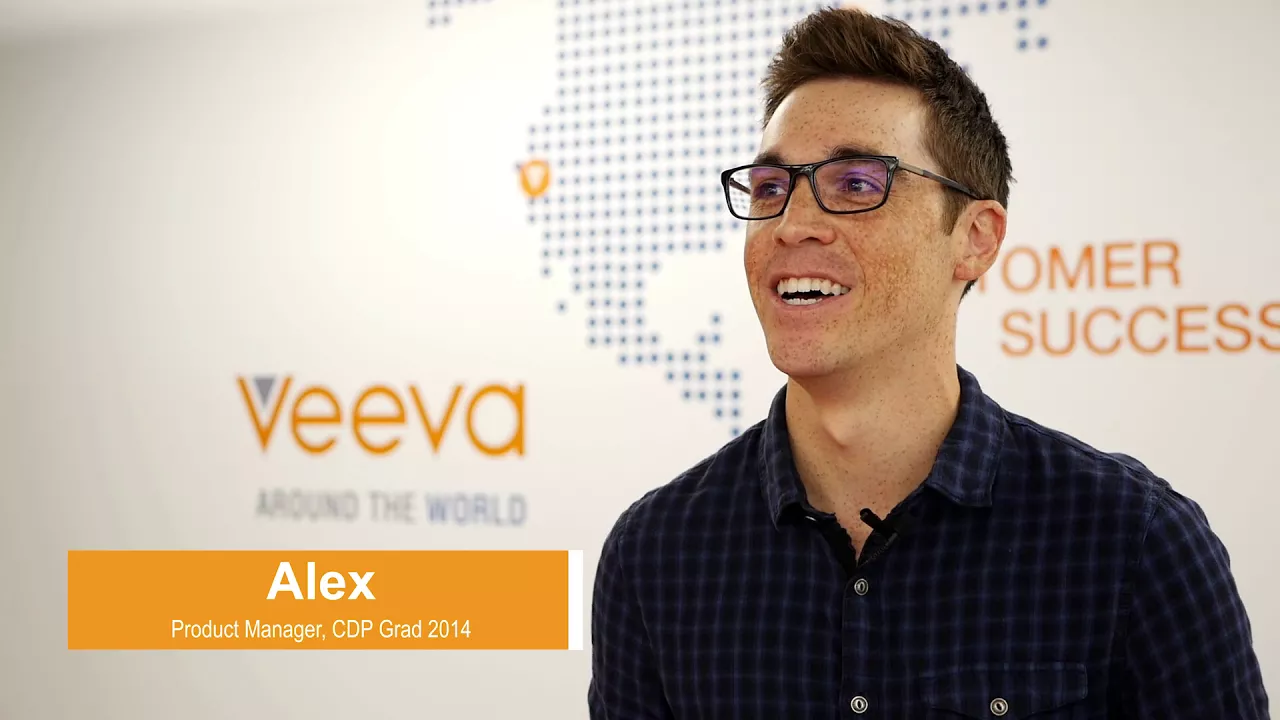
Generation Veeva: Consultant Development Program US (CDP)
Veeva Systems Inc
@VeevaSystems
Feb 2, 2018
This video provides an in-depth testimonial overview of Veeva Systems’ Consultant Development Program (CDP), positioning it as a foundational career accelerator for recent university graduates entering the life sciences technology space. The speakers, who are participants in the program, characterize the CDP as a critical "launching pad" designed to quickly transition new hires into seasoned professionals, specifically focusing on developing deep expertise in Veeva's product suite and consulting methodologies. The core objective of the program, as articulated by the consultants, is to build confidence and practical skills necessary for high-level customer engagement, product demonstration, and solution implementation. A key theme explored is the program's ability to foster versatile career growth beyond a single track. While initially focused on developing solution consultants, participants highlight the flexibility the CDP offers, allowing them to pivot into related high-value roles such as product management, project management, or sales. One consultant noted that the experience gained during product implementation—seeing exactly how customers utilize the software—was instrumental in providing the necessary context and confidence to become a product expert capable of delivering compelling demonstrations and narratives. This hands-on, implementation-driven learning model is presented as the cornerstone of the program's success. Furthermore, the testimonials emphasize the robust support structure and resources available within the CDP, which enable participants to explore various internal opportunities and define their long-term professional trajectories. The program is credited with broadening participants' horizons, not only in terms of business acumen but also in understanding the culture and operational dynamics of a major enterprise software company like Veeva. The consensus among the speakers is that the CDP successfully instills a unique set of skills, giving them the foundation necessary to be effective consultants and valuable employees, whether they ultimately pursue a technical consulting path or transition into commercial roles like sales. The program structure is designed to be highly adaptive, allowing individuals to "design their own career path" based on their growing understanding of the company and its products. Key Takeaways: • **CDP as a Career Launching Pad:** The Consultant Development Program is explicitly designed to serve as an accelerated entry point for new graduates, rapidly transforming them into seasoned professionals capable of handling complex consulting roles within the specialized pharmaceutical technology sector. • **Product Expertise through Implementation:** A core benefit of the program is the deep product knowledge gained by actively participating in customer implementations; this hands-on experience allows consultants to understand real-world usage scenarios, which is crucial for delivering effective demos and solution consulting. • **Foundation for Versatile Skill Sets:** The CDP provides a strong foundation in core consulting skills, which are transferable to multiple high-demand career tracks within the Veeva ecosystem, including product management, project management, and commercial sales roles. • **Developing Customer-Facing Confidence:** The program is instrumental in building the confidence required to speak as a solution consultant directly in front of customers, enabling participants to function as product experts who can tell compelling stories about the value of Veeva’s solutions. • **Internal Resource Utilization:** Participants stressed the availability of extensive internal resources and mentors, allowing them to explore various career options within Veeva and gain clarity on their long-term professional fit, such as discovering product management which was previously unknown to them. • **Flexibility in Career Design:** The program structure is lauded for its flexibility, allowing consultants to leverage their initial experience to "design their own career path," ensuring alignment between individual aspirations (e.g., moving toward a sales track) and organizational needs. • **Understanding Company Culture and Product:** Beyond technical skills, the CDP facilitates a deep understanding of Veeva’s corporate culture and the strategic value of its products, which is essential for effective internal navigation and external representation. • **Unique Skill Set Acquisition:** Graduates of the program acquire a "unique set of skills" combining technical product knowledge, implementation experience, and client-facing consulting abilities, making them highly valuable assets in the pharmaceutical technology consulting landscape. Tools/Resources Mentioned: * Veeva Products (Implied) * Veeva Consultant Development Program (CDP) Key Concepts: * **Solution Consultant:** A professional role focused on understanding customer needs and demonstrating how specific software products (in this case, Veeva's suite) can solve those problems, often involving technical expertise and strong presentation skills. * **Product Management:** The function responsible for guiding the success of a product and leading the cross-functional team that is responsible for improving it, often requiring deep market and customer insight. * **Implementation:** The process of installing, configuring, and deploying software (like Veeva CRM) for a customer, which provides consultants with critical hands-on experience regarding product functionality and customer workflows.