Videos
Browse videos by topic
All Videos
Showing 889-912 of 1435 videos

Great Resignation and Employee Benefits: 20 Million Americans Leave Their Jobs, Impact on Benefits
AHealthcareZ - Healthcare Finance Explained
@ahealthcarez
Jan 17, 2022
This video provides an in-depth exploration of the "Great Resignation" and its profound impact on employee benefits, drawing insights from recent LinkedIn data and a 60 Minutes story. Dr. Eric Bricker begins by contextualizing the unprecedented scale of workforce departures, noting that 20 million Americans quit their jobs in the latter half of 2021—the highest quit rate recorded in two decades. This mass exodus has left significant percentages of job positions unfilled across various industries, creating a highly competitive labor market where employers are compelled to adapt their compensation and benefits strategies to attract and retain talent. The presentation meticulously breaks down the industries most affected by unfilled positions, highlighting education (4.4%), retail (6.3%), healthcare (8.2%), and hospitality (8.9%) as key sectors. Dr. Bricker uses the hospitality industry as a detailed example, explaining how the high demand for workers has led to an 11% increase in hourly wages, despite these jobs historically being low-paying. He also points out the high prevalence of part-time work in hospitality (34% compared to a national average of 15%), setting the stage for a discussion on how benefits are evolving for this segment of the workforce. A significant portion of the video is dedicated to the dramatic shift towards remote work. Pre-pandemic, only 1 in 67 job listings offered remote options; this has surged tenfold to 1 in 7 job offerings. This trend is driven by strong worker preference, with individuals being 2.5 times more likely to apply for a remote position. The speaker emphasizes that remote work acts as a powerful "lifestyle benefit," saving employees significant commute time and enhancing their quality of life. This shift, combined with the overall labor shortage, is forcing employers to rethink traditional benefit structures, particularly concerning part-time employees and the geographical limitations of benefits packages. Dr. Bricker corroborates these trends with his own observations from conversations with over 120 insurance brokers and benefit consultants, underscoring the real-world application of these statistics. Key Takeaways: * **Unprecedented Workforce Exodus:** The latter half of 2021 saw 20 million Americans quit their jobs, marking the highest "quit rate" in 20 years and signifying a massive shift in the labor market. * **Significant Impact on Healthcare Staffing:** The healthcare industry experienced an 8.2% unfilled job rate, indicating substantial talent shortages within a critical sector that directly impacts pharmaceutical and life sciences operations. * **Remote Work as a Dominant Preference:** Remote job offerings have increased tenfold (from 1.5% to 15% of all positions), and workers are 2.5 times more likely to apply for remote roles, highlighting its importance as a key differentiator for employers. * **Expansion of Benefits to Part-Time Employees:** Employers are increasingly extending benefits historically reserved for full-time staff to part-time workers, particularly in industries with a high proportion of part-time roles like hospitality (34% part-time). * **Demand for Geographically Unrestricted Benefits:** With the rise of remote work, employers are actively seeking benefits packages that are not limited by geography, allowing employees to access services regardless of their physical location. * **Wages and Flexibility as Key Attractors:** In response to labor shortages, employers are increasing wages (e.g., 11% rise in hospitality hourly wages) and offering greater flexibility, with remote work being a prime example of a "lifestyle benefit" that significantly enhances job appeal. * **Lifestyle Benefits Drive Talent Attraction:** The ability to work remotely, saving commute time and improving work-life balance, is a powerful incentive for job seekers, often valued as much as or more than traditional monetary compensation. * **Understanding Industry-Specific Labor Dynamics:** Industries like hospitality have unique labor dynamics, such as a high percentage of part-time workers and historically lower wages, which makes them particularly vulnerable to workforce shifts and necessitates tailored employer responses. * **Data-Driven Insights for HR and Benefits Strategy:** Utilizing data from sources like LinkedIn and market observations from benefits consultants is crucial for employers to understand current labor trends and adapt their talent attraction and retention strategies effectively. * **Implications for Operational Efficiency:** The widespread labor shortages across various sectors, including healthcare, suggest an increased need for companies to explore automation and efficiency solutions to mitigate the impact of unfilled positions on operations. Tools/Resources Mentioned: * **LinkedIn Data:** Referenced as a primary source for statistics on the Great Resignation, quit rates, and remote work trends. * **60 Minutes Story:** An exposé based on LinkedIn data that served as a key informational basis for the video. * **Insurance Brokers and Benefit Consultants:** Dr. Bricker's personal conversations with over 120 professionals in this field provided real-world validation and additional insights into evolving employer benefit strategies. Key Concepts: * **Great Resignation:** A mass exodus of workers from their jobs, particularly observed in late 2021, leading to record-high quit rates. * **Quit Rate:** A statistical measure of the percentage of employees who voluntarily leave their jobs within a specific period. * **Remote Work:** The practice of employees working from a location outside of a traditional office, typically from home, enabled by technology. * **Lifestyle Benefits:** Non-monetary benefits that enhance an employee's quality of life, such as flexible work arrangements, remote work options, or wellness programs. * **Geographically Unrestricted Benefits:** Employee benefits that are accessible and applicable regardless of the employee's physical location, crucial for a remote workforce. Examples/Case Studies: * **Hospitality Industry:** Highlighted as the hardest-hit sector with 8.9% unfilled positions, experiencing an 11% increase in hourly wages and a high proportion (34%) of part-time jobs. * **Healthcare Industry:** Noted for having 8.2% of job positions unfilled, indicating significant staffing challenges within a sector critical to IntuitionLabs.ai's target market.

Founder Stories: Peter Gassner, Co-Founder and CEO of Veeva
Axial
/@axialxyz
Jan 15, 2022
This video features Peter Gassner, Co-Founder and CEO of Veeva, providing an overview of the company’s strategic vision, operational values, and product evolution approximately eight years into its founding. Gassner establishes Veeva’s core identity as the builder of the "industry cloud" for life sciences, emphasizing that its success is rooted in a clear vision coupled with strict adherence to core values: customers first, employees (as a people-based business) second, and maintaining speed. He stresses that speed is the most challenging value to uphold as a company grows, noting that the natural trajectory of large organizations is toward slowness and bureaucracy. To combat this gravitational pull, Veeva explicitly calls out that it is "okay with inefficiency" if it preserves speed and autonomy. The presentation details the evolution of Veeva’s product portfolio, starting with its foundational offering, Veeva CRM. Gassner highlights the strategic foresight involved in choosing to build on the salesforce.com platform in 2007, even though essential developer tools like Apex code were not yet available. This early commitment to a scalable cloud platform proved crucial for the CRM product’s maturity. However, the CEO identifies **Veeva Vault**—a content management platform and application suite launched four years prior to the talk—as the company’s current primary growth engine, signaling a successful expansion beyond commercial sales tools into regulated content and clinical data management. Gassner outlines the necessity of product diversification to achieve strategic partnership status within the life sciences ecosystem. He discusses newer applications, including Customer Master (part of their Networks offering) and Open Data (a data offering), which address different buyer personas within client organizations. He argues that to be a strategic partner, a company must sell across all buyer types and look at the relationship holistically, rather than optimizing for profit on every single application. This diversification is critical to Veeva’s aggressive financial goals: moving from a $400 million annual run rate to a $1 billion run rate within five years. Achieving this target relies heavily on shifting the revenue mix, increasing non-CRM revenue from roughly 20% to 50% of the total, thereby proving the viability and market acceptance of the Vault and Data products. Key Takeaways: • **The Industry Cloud Mandate:** Veeva’s foundational strategy is to build the definitive "industry cloud" for life sciences, requiring a comprehensive suite of applications (CRM, Vault, Data) that cover commercial, clinical, and regulatory functions, positioning them as the indispensable enterprise software provider. • **Strategic Platform Adoption:** The initial success of Veeva CRM stemmed from the strategic decision to commit to the salesforce.com platform early on (2007), demonstrating the value of anticipating and investing in emerging infrastructure even before it is fully mature. • **Vault as the Primary Growth Vector:** While CRM established the company, Veeva Vault—the content management and application platform—is the explicit driver for future growth and revenue diversification, indicating that the market demand for regulated content and clinical operations solutions is outpacing traditional CRM expansion. • **Prioritizing Speed Over Perfection:** Veeva’s operational philosophy actively fights against the bureaucratic slowdown common in large companies by accepting a degree of "inefficiency" to maintain high speed, autonomy, and rapid decision-making capabilities. • **Holistic Strategic Partnership Model:** To achieve strategic status with clients, Veeva focuses on selling solutions across all buyer types and departments, viewing the relationship holistically rather than optimizing for maximum profit on every individual application sale. • **Aggressive Revenue Diversification Goal:** The path to achieving the $1 billion run rate requires a massive internal shift, necessitating that non-CRM products (Vault, Data, Networks) grow to account for 50% of total revenue, highlighting the urgency of successful cross-selling and new product adoption in regulated areas. • **Data and Networks Expansion:** Newer offerings like Customer Master and Open Data signal Veeva’s strategic move into providing foundational data services, including master data management and commercial data offerings, which are crucial for AI and business intelligence initiatives. • **Values-Driven Management:** The company is managed based on three non-negotiable values—Customers, Employees (long-term people-based business), and Speed—which serve as the guiding principles for all major strategic and operational decisions. Tools/Resources Mentioned: * Veeva CRM * Veeva Vault (Content Management Platform) * Veeva Customer Master (Networks Application) * Veeva Open Data (Data Offering) * Salesforce.com (Underlying platform for initial CRM development) Key Concepts: * **Industry Cloud:** A vertical Software-as-a-Service (SaaS) model designed specifically to address the unique, complex, and regulated needs of a single industry, such as life sciences. * **People-Based Business:** A business model where the long-term retention and satisfaction of employees are treated as equally important strategic assets as customer relationships, essential for providing consistent, high-quality expertise in a specialized sector. * **Strategic Partnering:** The business approach of embedding solutions across multiple functional areas within a client organization, ensuring the vendor is integral to core operations rather than just a provider of single-point solutions.

Leveraging Your Veeva Vault Investment
Xtalks
/@XtalksWebinars
Jan 14, 2022
This presentation provides an in-depth analysis of the technical and organizational complexities involved in leveraging and expanding an existing investment in the Veeva Vault platform, using a case study focused on integrating Study Startup (SSU) functionality into a deployed electronic Trial Master File (eTMF) Vault. The speaker details a scenario where a client faced rapid, overlapping project timelines—including an eTMF project, system integrations, SSU going live, and a legacy SSU data migration—all while the Vault platform itself was undergoing rapid change. This environment of high expectations and shifting priorities necessitated a holistic approach to implementation, emphasizing that changes to one functional area (like SSU) inevitably impact the configuration and users of the existing platform (eTMF). A significant challenge highlighted was the complexity of the legacy data migration, which required early preparation despite being the last phase of deployment. The dynamism of the environment meant the team had to contend not only with legacy data anomalies but also with multiple internal data sources within the Vault itself. Technical hurdles included managing configuration triggers and auto-complete rules that interfered with migration progress, alongside ongoing activity from regular Vault releases. Organizationally, the client struggled with duplications and inconsistencies within the Global Directory for person and organization names, which required extensive data cleansing and the eventual imposition of Master Data Management (MDM) rules—a measure the client had previously resisted. The necessity of strong, collaborative business leadership was presented as a critical success factor. Despite the shared ownership across multiple functional areas, the project succeeded due to business leads who maintained a clear vision for their functions and worked productively to manage change control requests and validation documentation. This cooperation was a "definite win," underscoring the need to select business owners who are strong collaborators. However, the lack of foresight regarding the SSU implementation led to substantial rework; the eTMF team had completed their configuration (including TMF index, milestone master sets, and EDLs) based solely on TMF needs, only to discover that SSU required new milestones, filing guidance changes, and reconsideration of existing EDLs from scratch. Furthermore, the project utilized Veeva's Country Intelligence capability to address outstanding audit findings related to clarity and missing documents within country collections. Country Intelligence provided the necessary project progress tracking and a tool to assess document completion. The speaker strongly advised that implementing Country Intelligence correctly requires painstaking upfront analysis, exquisite attention to detail, and global colleague cooperation. The overarching lesson derived from the case study is the importance of consulting the product roadmap early to understand the timing of new functionality (like SSU) so that stakeholders can collaboratively build an appropriate foundational configuration for both the existing and new capabilities, thereby avoiding costly rework. --- ### Detailed Key Takeaways * **Holistic Planning is Mandatory for Platform Expansion:** When adding new functional capabilities (e.g., SSU) to an existing platform (e.g., eTMF Vault), planning must be holistic, as technical and business considerations can affect all users and existing configurations, not just the function being newly supported. * **Early Migration Preparation is Crucial:** Even if data migration is the final deployment phase, early preparation is essential to manage tight timelines and the dynamic nature of the environment, especially when dealing with legacy data anomalies and multiple data sources within the Vault itself. * **Master Data Management (MDM) is Non-Negotiable:** The project faced significant challenges due to duplications and inconsistencies in the Global Directory (person and organization entries). Data cleansing and the enforcement of MDM rules, even if previously resisted by the client, are necessary prerequisites for successful migration and integration. * **Configuration Triggers Impact Migration:** Technical elements like configuration triggers and auto-complete rules within the Vault can significantly impact the progress and outcome of data migration, requiring careful analysis and management during the planning phase. * **Strong Business Leadership Drives Validation Success:** The success of validation and change control management relied heavily on strong business leads with clear functional visions who could work collaboratively across shared ownership areas to manage requests and documentation effectively. * **Anticipate Rework Without Roadmap Consultation:** Failure to consult the Veeva product roadmap and anticipate the timing of new functionality (like SSU) led directly to substantial rework of the existing eTMF configuration, including the TMF index, milestone master sets, and Electronic Document Lists (EDLs). * **New Functionality Redefines Existing Configuration:** The introduction of SSU quickly necessitated changes to the existing TMF filing guidance, new milestones, and new EDLs, demonstrating that new capabilities fundamentally alter the foundational configuration of the parent Vault. * **Country Intelligence Addresses Audit Gaps:** Country Intelligence is a valuable tool for addressing audit findings related to document clarity and completeness within country collections, providing necessary project progress tracking and assessment capabilities. * **Implementing Country Intelligence Requires Rigor:** Achieving success with Country Intelligence demands painstaking upfront analysis, exquisite attention to detail, and the cooperation of global colleagues to ensure accurate guidance and control are established. * **Select Business Owners Based on Collaboration:** Project success is highly correlated with selecting business owners who possess strong collaborative personalities, enabling them to productively manage shared ownership and change control requests across different functional teams. --- ### Key Concepts * **Veeva Vault:** A suite of cloud-based applications for content and data management across clinical, regulatory, quality, and commercial functions in the life sciences industry. * **eTMF (Electronic Trial Master File):** A system used to manage essential clinical trial documents, ensuring compliance and inspection readiness. * **SSU (Study Startup):** The process and associated Veeva module for initiating clinical trials, including site selection, contract negotiation, and regulatory submissions. * **EDLs (Electronic Document Lists):** Lists defining the expected documents required for a clinical trial or specific milestone within the TMF. * **Master Data Management (MDM):** A discipline focused on creating and maintaining a single, consistent, and accurate view of core business data (e.g., person and organization names) across the enterprise. * **Country Intelligence:** A Veeva capability that provides guidance and control for document collection and progress tracking specific to regulatory requirements in different countries.

Smart Classifier: Bulk Classification & Data Segregation
NextLabs
/@NextLabsInc
Jan 13, 2022
This video introduces NextLabs’ Smart Classifier, a tool designed for bulk classification, organization, and protection of documents in shared folders and SharePoint sites. It emphasizes the importance of a strong data governance framework for data safety and productivity, showcasing how the Smart Classifier streamlines data management processes. The system operates through file watchers, content extractors, and rule engines to automatically classify files based on their content or metadata. The demonstration highlights two key use cases: bulk classification of existing documents (e.g., ITAR/EAR) to enforce attribute-based access control (ABAC) policies, and automated data segregation, where classified documents are moved to designated "system of record" folders. The solution ensures sensitive data is secured with fine-grained access controls and digital rights protection, preventing unauthorized disclosure. * **Scalable Compliance and Security:** The ability to classify and protect documents in bulk, using rules based on content or metadata, addresses the challenge of managing vast volumes of sensitive data. This scalability is essential for pharmaceutical companies dealing with large datasets from R&D, clinical trials, and commercial operations, ensuring consistent application of security and compliance policies. * **Enhanced Data Quality and Management:** By automating classification and segregation, the solution improves data quality and streamlines data management processes. * **Fine-Grained Access Control (ABAC) for Sensitive Data:** The integration of attribute-based access control (ABAC) allows for dynamic, fine-grained control over sensitive documents, preventing unauthorized disclosure. This is crucial for protecting intellectual property, patient data, and other confidential information within the life sciences sector * **Addressing Legacy Data Challenges:** The video highlights the challenge of classifying existing, unclassified files. Smart Classifier's bulk classification feature provides a solution for bringing legacy data into compliance, a common pain point for established pharmaceutical companies.
![[Webinar] Automating Clinical Trial Master File Migration & Information Extraction](https://i.ytimg.com/vi/IchcgkDDdtw/hqdefault.jpg?sqp=-oaymwEcCNACELwBSFXyq4qpAw4IARUAAIhCGAFwAcABBg==&rs=AOn4CLD8QvOyM_6WqAniWDO0HGPWtHJEqw)
[Webinar] Automating Clinical Trial Master File Migration & Information Extraction
John Snow Labs – Healthcare AI Company
/@JohnSnowLabs
Jan 13, 2022
This video explores the significant challenges and an AI-powered solution for automating Clinical Trial Master File (TMF) migration and information extraction within pharmaceutical companies. It highlights that TMF migration is a complex, labor-intensive process due to the massive volume of unstructured documents (scanned, handwritten), lack of standardization, and bespoke rules, rendering manual methods and traditional Robotic Process Automation (RPA) ineffective. The presented solution leverages Natural Language Processing (NLP) and Artificial Intelligence, including advanced OCR and machine learning, to classify documents, extract critical metadata, and ensure data accuracy and regulatory compliance. A detailed case study with Novartis demonstrates the real-world application, showcasing substantial reductions in manual effort and migration timelines while adhering to stringent industry standards like GxP and GAMP 5. Key Takeaways: * **TMF Migration Complexity:** Clinical Trial Master File migration is inherently complex due to the lack of content standardization, high volume of unstructured data (scanned, handwritten), and non-explicit, bespoke rules, making manual or basic automation approaches impractical. * **AI-Driven Efficiency & Accuracy:** AI and NLP-based systems, incorporating advanced OCR and machine learning, can achieve an 80% reduction in manual labor and migration timelines for TMFs, significantly improving efficiency and accuracy in metadata extraction and document classification. * **Critical Solution Components:** Successful AI solutions for TMF migration rely on meticulously defined annotation guidelines, sophisticated post-processing rules (which can boost accuracy by 30-40% by handling ambiguities like multiple dates or names), and machine learning-driven false positive detectors to ensure data quality. * **Regulatory Compliance & Enterprise Readiness:** Solutions must be designed for enterprise deployment, offering scalability (e.g., Apache Spark-based), on-premise (air-gapped) security, and rigorous validation for regulatory compliance, including GxP and GAMP 5. * **Collaborative Expertise:** Effective implementation requires a multi-disciplinary team combining deep AI/data science expertise with extensive subject matter knowledge in TMF, document management, IT security, quality, and validation from both the solution provider and the client.
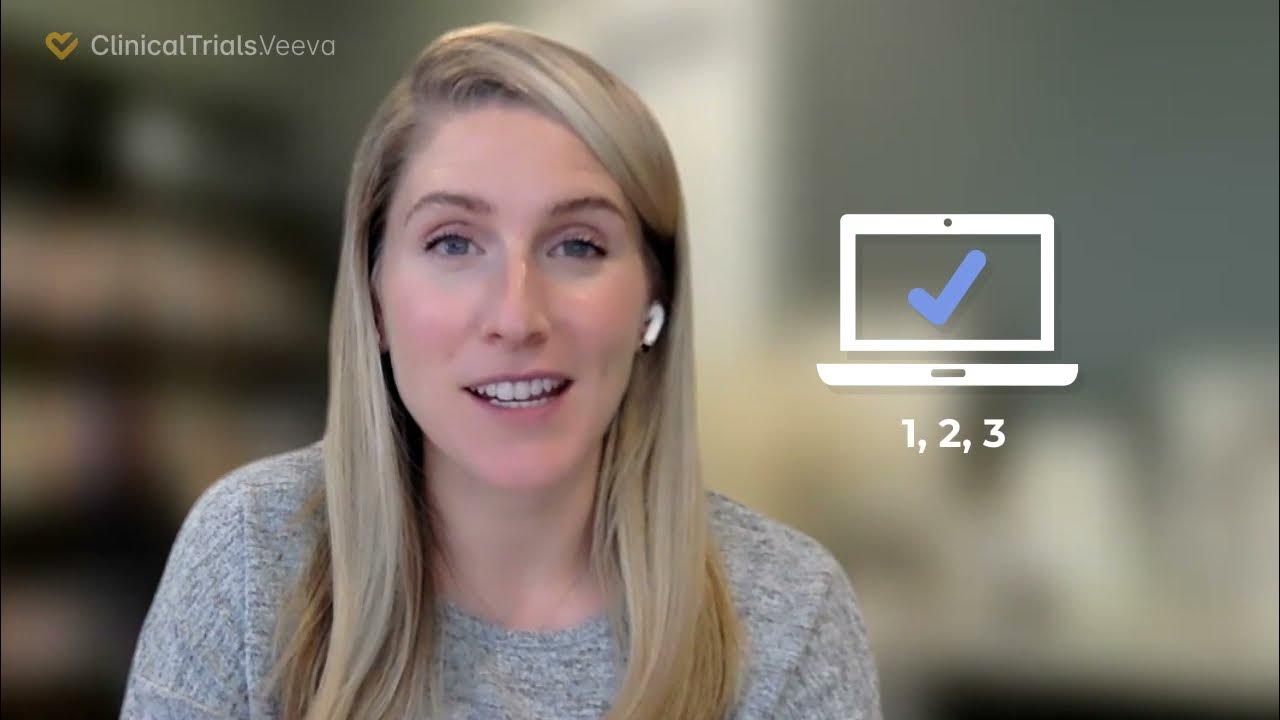
How to Invite to ClinicalTrials.Veeva
ClinicalTrialsVeeva
/@clinicaltrialsveeva4525
Jan 12, 2022
This video provides a concise instructional guide on how to invite colleagues to ClinicalTrials.Veeva, an exclusive, invite-only professional network designed for clinical research staff. The presenter, Mel, a product marketer at ClinicalTrials.Veeva, outlines a straightforward three-step process for current beta users to expand the network. The primary objective of the video is to facilitate the growth of this specialized community by enabling existing members to bring in their peers, thereby strengthening the collaborative potential of the platform. The core of the video details the practical steps for sending invitations: logging into an existing ClinicalTrials.Veeva account, navigating to the "Invite" button located in the top right corner of the website, and then entering up to five colleague email addresses before clicking send. This process ensures that invited individuals receive an email notification, prompting them to create their own accounts and join the network. The speaker emphasizes the exclusivity of the beta program, suggesting a controlled rollout to ensure a high-quality user base and experience. Beyond the technical instructions, the video articulates the strategic vision behind ClinicalTrials.Veeva. It positions the platform as a crucial tool for fostering collaboration among clinical research professionals, with overarching goals to enhance patient-centricity in trials, reduce operational costs, and accelerate the overall timeline for clinical studies. This broader mission underscores Veeva's commitment to leveraging technology to address significant challenges within the clinical research ecosystem, aiming for more efficient and effective trial execution through a connected professional community. Key Takeaways: * **Facilitating Network Growth:** The video serves as a direct guide for existing beta users of ClinicalTrials.Veeva to invite new members, emphasizing a user-driven expansion model for this professional network. This approach leverages existing connections to grow a specialized community organically. * **Exclusive Beta Program:** ClinicalTrials.Veeva is presented as an "exclusive beta," indicating that the platform is still in its early development or testing phase, likely targeting early adopters and key opinion leaders within clinical research. This exclusivity can foster a sense of community and allow for focused feedback. * **Streamlined Invitation Process:** The three-step invitation process (log in, click invite, add emails, send) is designed for simplicity and efficiency, encouraging users to easily expand the network without complex procedures. This ease of use is critical for adoption. * **Professional Networking for Clinical Research:** ClinicalTrials.Veeva's core offering is a professional network specifically tailored for clinical research staff, enabling them to build study portfolios, connect with colleagues working on the same studies, and discover new research opportunities. * **Enhancing Clinical Trial Efficiency:** The platform aims to address critical industry challenges by making trials more patient-centric, reducing associated costs, and significantly speeding up the duration of clinical studies. This aligns with broader industry goals for operational optimization. * **Veeva's Expansion into Clinical Operations:** This initiative highlights Veeva's continued expansion beyond CRM into the clinical operations domain, offering a dedicated platform to support the end-to-end clinical trial lifecycle and foster collaboration among research professionals. * **Value Proposition for Clinical Staff:** The network provides a centralized hub for clinical research staff to manage their professional profiles, track their involvement in studies, and connect with peers, potentially streamlining communication and knowledge sharing across research teams. * **Potential for Data Integration and Insights:** While not explicitly stated in the video, a professional network like ClinicalTrials.Veeva, especially from a data-centric company like Veeva, implies future potential for integrating study data, facilitating real-time collaboration, and generating insights to improve trial design and execution. * **Strategic Importance of Collaboration:** The emphasis on connecting staff working on the same studies underscores the critical role of collaboration in modern clinical research, aiming to break down silos and improve coordination among diverse stakeholders involved in complex trials. Tools/Resources Mentioned: * **ClinicalTrials.Veeva:** An invite-only professional network for clinical research staff. * **myveeva.com/clinicaltrials/access:** The official website mentioned in the video description for learning more about ClinicalTrials.Veeva access. Key Concepts: * **Professional Network:** A specialized online platform designed for individuals within a specific industry or profession to connect, share information, and collaborate. In this context, it's tailored for clinical research staff. * **Patient-Centricity:** A design and operational philosophy in clinical trials that prioritizes the needs, preferences, and experiences of patients, aiming to improve their engagement, retention, and overall trial experience. * **Clinical Research Staff:** Professionals involved in the planning, execution, and analysis of clinical trials, including investigators, study coordinators, research nurses, and data managers.

Veeva Business Consulting | Be Different
Veeva Systems Inc
/@VeevaSystems
Jan 12, 2022
This video provides an exploration of the core philosophy and operational approach of the Veeva Business Consulting team, centered around their value of "Be Different." The presentation highlights how this principle drives their talent acquisition strategy, client engagement model, and overall impact within the highly specialized life sciences industry. The speakers emphasize that being different is fundamentally about the team they are building—one that actively seeks individuals from diverse backgrounds, experiences, and skill sets to foster unique perspectives and innovative solutions. The consulting methodology is deeply customer-centric, prioritizing proximity and tailored support. Consultants operate under the belief that "No customer or business problem is the same," which pushes the team to constantly innovate and avoid standardized, one-size-fits-all approaches. This is reinforced by the inclusion of former Veeva customers on the consulting team, who bring firsthand knowledge of how clients wish to be supported. This unique blend of internal expertise and external perspective allows the team to provide strategic guidance that is both operationally sound and deeply empathetic to the client's needs. A key aspect of the team culture is the immediate empowerment of new hires. Regardless of their background, previous employer, or years of experience (including those hired directly out of school with no prior consulting experience), every person is given an immediate voice. Their perspectives, suggestions, and recommendations are fully evaluated, and many are subsequently put into practice. This commitment to leveraging diverse viewpoints ensures that the team is constantly challenging conventional wisdom and finding unique ways to solve complex problems for their clients in strategy and operations. The consultant’s role is uniquely positioned to not only advise on strategy but also to witness the implementation of their recommendations, thereby realizing and demonstrating the tangible value of their work as customers leverage Veeva’s full life cycle of innovative products for the life sciences industry. The team is also built to be cross-functional and collaborative, operating effectively in a flexible, virtual environment while maintaining strong relationships with customers. Key Takeaways: • **Emphasis on Diversity for Innovation:** The core consulting strategy is built upon actively recruiting individuals from vastly different backgrounds and skill sets, recognizing that this diversity is the foundation for generating unique perspectives and innovative solutions to complex life sciences business problems. • **Empowerment of New Talent:** Veeva's consulting culture ensures that every new hire, including those fresh out of school with no prior consulting experience, is immediately given a voice; their suggestions and recommendations are fully evaluated and often integrated into practice, fostering a dynamic and idea-driven environment. • **Customer-Centric Tailored Support:** The consulting approach is driven by the recognition that "No customer or business problem is the same," necessitating a close relationship with clients to provide highly customized support and strategic guidance rather than relying on standardized templates. • **Leveraging Former Customer Experience:** Hiring former Veeva customers provides the consulting team with an invaluable internal perspective on client needs and expectations, ensuring that the support model is designed to maximize client satisfaction and operational efficiency. • **Full Life Cycle Strategic Partnership:** Consultants are positioned as strategic partners who help clients with both high-level strategy and day-to-day operations, specifically within the context of optimizing the utilization of Veeva’s full suite of innovative products for the life sciences sector. • **Focus on Value Realization:** A critical measure of success for the consultants is the ability to witness their recommendations being brought to life by customers, thereby realizing and demonstrating the tangible, measurable value of their strategic and operational advice. • **Cross-Functional Collaboration:** The team structure is intentionally cross-functional and collaborative, ensuring that different ideas and perspectives are constantly merged to solve problems in a unique and holistic manner. • **Flexible Work Model:** The consulting team successfully maintains strong, productive relationships with customers and achieves goals while operating in a flexible, virtual environment, demonstrating that geographical flexibility does not impede high-quality service delivery. Tools/Resources Mentioned: * Veeva's full life cycle of innovative products (Implied platform suite for the life sciences industry). Key Concepts: * **Be Different:** A core organizational value emphasizing the importance of diverse backgrounds, unique skill sets, and non-conventional thinking to solve client challenges. * **Full Life Cycle:** Refers to the comprehensive range of products and services offered by Veeva that support pharmaceutical and life sciences companies across their entire value chain, from R&D through commercialization.

Hospitals Will Innovate to Keep Nurses: 66% Thinking of Leaving
AHealthcareZ - Healthcare Finance Explained
@ahealthcarez
Jan 8, 2022
This video provides an in-depth exploration of the impending wave of innovation within hospital systems, driven by the unsustainable nature of current acute care operations and a significant exodus of healthcare workers. Dr. Eric Bricker begins by asserting that hospitals will become the new center of innovation in healthcare, not by choice, but out of absolute necessity. He presents compelling statistics illustrating a severe crisis: 18% of healthcare workers have left their jobs since February 2020, with an additional 12% laid off. Among those still working, a staggering 31% have considered leaving, a figure that jumps to 66% for ICU and acute care nurses. The presentation delves into the dire consequences of this workforce depletion, highlighting that ICUs are now operating at dangerous 4:1 patient-to-nurse ratios, far exceeding the typical 2:1, which Dr. Bricker argues is already challenging. He underscores the financial strain on hospitals, citing an example of a Florida hospital that saw its annual spending on temporary workers skyrocket from $1 million to $24 million in one year. Furthermore, the nursing workforce is aging, with an average age of 52 and 19% of nurses over 65, indicating a severe lack of new entrants to the profession. Dr. Bricker attributes this to the inherently "too difficult" and "inhumanly impossible" nature of reactive acute hospital care, which demands immense physical, emotional, and intellectual sacrifice from workers. Despite painting a stark picture of the current challenges, Dr. Bricker maintains an optimistic outlook, predicting that this existential crisis will force innovation. He posits that hospitals will succeed by moving away from reactive, fee-for-service models towards proactive, capitated payment systems that shift care outside the hospital and into primary care and community settings. The Ochsner Health System in New Orleans is presented as a successful case study, having innovated by focusing on proactive, home- and community-based care. This strategic shift not only allowed Ochsner to thrive financially during the pandemic but also enabled them to expand significantly, acquiring a seven-hospital system in neighboring states. The video concludes with the strong conviction that this type of innovation will snowball across the healthcare industry as workers refuse to tolerate the status quo. Key Takeaways: * **Healthcare Workforce Crisis:** A significant portion of healthcare workers (18% since Feb 2020) have left their jobs, with many more considering departure, particularly in critical care settings like ICUs (66% of nurses). This indicates a widespread burnout and dissatisfaction with current working conditions. * **Dangerous Staffing Ratios:** The exodus of nurses has led to dangerously high patient-to-nurse ratios in ICUs, with some operating at 4:1 compared to the typical and already demanding 2:1. This compromises patient safety and quality of care. * **Exorbitant Temporary Staffing Costs:** Hospitals are incurring massive financial burdens to maintain staffing levels, with one example showing a 24-fold increase in spending on temporary workers (from $1M to $24M annually). This highlights the unsustainability of current operational models. * **Aging Workforce and Lack of New Talent:** The nursing profession faces an aging demographic (average age 52, 19% over 65) and a critical lack of younger individuals entering the field, suggesting a long-term systemic issue with the attractiveness and sustainability of the job. * **Reactive Acute Care is Unsustainable:** The core argument is that reactive acute hospital care is "too hard" and "not humanly possible to sustain" for prolonged periods, leading to worker burnout and a mass exodus. It demands unreasonable sacrifices from healthcare professionals. * **Innovation as a Necessity:** Hospitals are compelled to innovate out of necessity, as the current operational model is unsustainable for both employees and the financial health of the institutions. This crisis will drive transformative change. * **Shift to Proactive, Outpatient Care:** Successful innovation will involve a strategic shift from reactive, fee-for-service models to proactive, capitated payment systems that prioritize care delivery in homes, communities, and outpatient settings. * **Ochsner Health System as a Model:** The Ochsner Health System serves as a prime example of successful innovation, thriving financially and expanding during the pandemic by embracing proactive, community-focused care. This demonstrates a viable path forward for other hospital systems. * **Worker Empowerment Driving Change:** Healthcare workers are "voting with their feet," refusing to tolerate the status quo. Their collective action is a powerful catalyst forcing hospital systems to re-evaluate and innovate their care delivery models. * **Complexity and Stress of Acute Care:** The incredibly complex environment of acute care, coupled with the emotional and interpersonal demands of dealing with critically ill patients and their families, contributes significantly to the stress and burnout experienced by staff. * **Poor Working Conditions:** Physical demands, lack of breaks for basic needs (eating, drinking, bathroom), and discomfort from prolonged PPE use further exacerbate the challenging working conditions, making the job even more unsustainable. * **Loss of Experienced Talent:** The departure of highly experienced nurses represents a significant loss of institutional knowledge and expertise, further hindering the effective functioning of hospital floors and patient care. Examples/Case Studies: * **Ochsner Health System:** This system in New Orleans successfully innovated by shifting towards proactive, outpatient, and community-based care models. This strategy allowed them to thrive financially during the COVID-19 pandemic and expand their operations by acquiring a seven-hospital system in Mississippi and Alabama in June 2021. * **Florida Hospital:** An unnamed Florida hospital experienced a dramatic increase in spending on temporary workers, from a typical $1 million per year to $24 million in 2021, highlighting the severe financial impact of staffing shortages.

The 5 Step Checklist For A More Mature, Robust Quality Management System
Pharma Best Practices Webinars
/@pbpw947
Jan 6, 2022
This webinar, presented by independent consultant Tobias Kuners, outlines a five-step checklist and a systems maturity model designed to help pharmaceutical and life sciences organizations develop a mature and robust Quality Management System (QMS). The core premise is that QMS maturity is not simply a function of age, but a deliberate process of assessment, gap closure, and continuous improvement aimed at creating a compliant, comprehensive, and consistent repository for all systems, procedures, and documents meeting regulatory requirements. The speaker emphasizes that maturing the QMS is crucial for maintaining continuous inspection readiness and optimizing operational efficiency, particularly in complex environments like biotech, cell & gene therapy, and radiopharmaceutical facilities. The proposed methodology centers on a five-level QMS maturity model, ranging from Level 1 (Ad Hoc/Starting) to Level 5 (Adaptive/Optimized). The process begins with **Step 1: Setting the Standards**, where organizations determine local and regional regulatory requirements (e.g., FDA, EMA, Annex 1 in Europe) to establish the desired "to-be" state. This leads to a **Gap Assessment** against the current QMS procedures. **Step 2** involves developing a **Consolidation Plan** to close identified gaps, which includes writing new SOPs, consolidating overlapping procedures, and removing overly detailed elements that hinder knowledgeable staff and lead to deviations. **Step 3** focuses on **Execution and Monitoring**, highlighting the critical need for senior leadership oversight via a steering committee to set realistic timelines, prioritize tasks, and allocate necessary resources, ensuring the project doesn't get "crunched between day-to-day activities." A significant portion of the presentation is dedicated to defining the maturity levels across various organizational dimensions (e.g., Organization, Metrics, Culture, Compliance, Process, Technology, Governance, Client Experience). For instance, a Level 3 (Stable/Managed) organization is characterized by having the right number of people with the correct knowledge, metrics that show the organization is "in control," and being an "early follower" of new compliance regulations. Moving to Level 4 (Optimized/Predictive) requires continuous improvement portfolios, predictive performance metrics (leading indicators over lagging indicators), and transferable processes that can be shared across an enterprise. The speaker also details a framework for organizing the QMS maturation project into three modules—Operations, Quality, and Business—each overseen by a management champion (ideally cross-functional leaders) to foster collaboration and provide support to sub-project teams responsible for specific elements like downstream processing, maintenance, or regulatory affairs. ### Detailed Key Takeaways * **QMS Maturity is a Strategic Initiative:** A mature QMS is defined by its robustness, compliance, and consistency, not its age. The process of maturation should be driven by corporate expectations and evolving regulatory insights (e.g., preparing for changes like EU Annex 1). * **The Five-Step Maturation Process:** The core steps include setting regulatory standards, conducting a gap assessment, developing a resource-constrained consolidation plan, executing and monitoring the plan with leadership oversight, and finally, achieving continuous improvement. * **Leadership Buy-in is Critical for Execution:** A steering committee comprised of senior leadership must oversee the initiative to manage resource allocation, set realistic timelines, and ensure project continuity, preventing the QMS project from being sidelined by daily operational demands. * **Shifting from Lagging to Leading Metrics:** To achieve Level 4 maturity, organizations must transition from relying on lagging indicators (e.g., monthly financials) to predictive performance metrics (leading indicators) that allow leadership to make real-time corrections and stay in the "driver's seat." * **Graduation Criteria Define Success:** Before starting the project, specific "graduation criteria" must be established for each target level (e.g., Level 3 stability). These criteria include a robust Risk Register, System Health Metrics, established SIPOC models for all processes, and demonstrated system stability under stress. * **Optimize Procedures for Efficiency:** The consolidation plan should actively reduce the number of procedures by combining overlaps and removing excessive detail. This reduces training burden, minimizes deviations caused by strict adherence issues, and frees up staff time for quality activities. * **Technology as a Robustness Enabler:** Moving toward Level 3 and 4 maturity requires leveraging robust technology and computerized systems to reduce the possibility of human intervention, which is cited as the biggest source of variability in processes. This includes adopting computerized systems, VR, and augmented reality for training and guided work. * **Cross-Functional Championship:** The QMS project structure should assign management champions (ideally site leadership members from a different functional area) to the Operations, Quality, and Business modules. This promotes cross-departmental understanding and collaboration, which is fundamental to QMS success. * **Client Experience (Internal and External):** Awareness of client experience—both internal (department-to-department service) and external (patient/customer quality)—is a metric that only develops once the organization achieves stability (Level 3) and moves toward collaboration (Level 4). * **Justifying Investment:** While specific costs are facility-dependent, the investment is justified by avoiding detrimental outcomes like warning letters (loss of market authorization) or by quantifying the time saved through optimized procedures (reduced training hours, fewer deviations). * **Process Transferability:** A Level 4 QMS should have processes that are "transferable," meaning they are so robust and well-documented that they can be successfully shared and implemented by other facilities within the corporate enterprise. * **Risk Management Evolution:** Risk management must evolve from simply having a risk register (Level 3) to prospectively and actively managing risks (Level 4), meaning the organization is ahead of the curve in anticipating and mitigating potential threats. ### Key Concepts * **QMS Maturity Model:** A framework used to assess and categorize the robustness and completeness of an organization's Quality Management System across defined levels (e.g., Ad Hoc, Incomplete, Managed/Stable, Optimized/Predictive, Adaptive). * **SIPOC (Suppliers, Inputs, Process, Outputs, Customers):** A high-level process mapping tool used to identify critical internal and external suppliers and customers for every process, ensuring comprehensive coverage and understanding of interdependencies. * **Leading vs. Lagging Metrics:** Leading metrics predict future performance and allow for proactive intervention (e.g., daily production rate against goal), while lagging metrics report on past performance (e.g., end-of-month financials). Maturity requires a focus on leading indicators. * **Risk Register:** A comprehensive overview of potential risks, identified mitigation actions, and the resulting residual risk level, which must be managed to ensure product and patient safety. * **Transferable Processes:** Processes and procedures that are so robust and well-documented that they can be successfully deployed and replicated across multiple facilities within an enterprise.

Superior Diabetes Care with 1) Shared Decision Making, 2) a Diabetes Checklist and 3) Screenings
AHealthcareZ - Healthcare Finance Explained
@ahealthcarez
Jan 2, 2022
This video provides an in-depth exploration of three critical systems of care identified by University of Minnesota Medical School researchers that lead to superior diabetes outcomes. Dr. Eric Bricker, from AHealthcareZ, begins by establishing diabetes as a significant "bane of existence" for employee health plans and a major risk factor for severe complications like heart attack, stroke, kidney failure, blindness, neuropathy, and amputations. He emphasizes that given the profound suffering and disability caused by diabetes, any effective treatment strategies should be embraced. The presentation then systematically breaks down each of the three research-backed systems, highlighting their practical application and the pitfalls of neglecting them. The first system discussed is "Shared Decision Making," which advocates for a collaborative dialogue between physician and patient rather than a passive acceptance of doctor's orders. Dr. Bricker stresses the importance of identifying "reasonable management options for the individual," acknowledging the unique circumstances of each patient, such as transportation issues, literacy levels, or access to pharmacies. He provides vivid examples of how pragmatic considerations, often overlooked in rushed seven-minute visits, are essential for effective diabetes management. Without this collaborative approach, he argues, treatment plans are destined to fail. The second system is the implementation of a "Diabetes Care Checklist," drawing a parallel to Dr. Atul Gawande's famous surgery checklist. Dr. Bricker asserts that relying solely on a physician's memory for comprehensive diabetes care is a "horrible approach." He suggests that this checklist, whether written or integrated into an Electronic Medical Record (EMR), should prompt doctors to periodically check crucial metrics like Hemoglobin A1C, ensure annual retina exams by an ophthalmologist, screen urine for protein to detect nephropathy, and monitor kidney function via serum creatinine. He highlights that patients typically present for acute "sick visits," making it the doctor's responsibility, guided by a checklist, to proactively address silent chronic diseases like diabetes that ultimately lead to severe long-term complications. Finally, the third system focuses on "Guideline-Based Screenings" for conditions *outside* of diabetes itself, which are nonetheless crucial for diabetic patients. Dr. Bricker explains that regular screenings recommended by the U.S. Preventive Services Task Force for conditions like hypertension and high cholesterol are vital because these are major risk factors for coronary artery disease, exacerbating the risks already posed by diabetes. He also underscores the importance of screening for depression, as it significantly hinders a patient's ability to self-manage their diabetes. Furthermore, screening for and addressing cigarette smoking and alcohol abuse are critical, as these habits cause immense damage to blood vessels, compounding the vascular issues inherent in diabetes. The video concludes by emphasizing that merely having a primary care physician is not a magical solution; these structured systems of care, including the potential for virtual visits, are essential for improving diabetes outcomes. Key Takeaways: * **Diabetes as a Major Health Burden:** Diabetes is a leading cause of heart attack, stroke, kidney failure, blindness, neuropathy, and amputations, necessitating effective and proactive management strategies to mitigate its severe impact on patient health and healthcare costs. * **Shared Decision Making is Crucial:** Effective diabetes care requires a collaborative dialogue between the physician and patient to identify "reasonable management options" tailored to the individual's unique life circumstances, including social determinants of health like transportation, literacy, and access to resources. * **Individualized Care Over Generic Prescriptions:** A one-size-fits-all approach to diabetes management is ineffective; care plans must be pragmatic and adaptable to the patient's specific challenges to ensure adherence and positive outcomes. * **The Power of a Diabetes Care Checklist:** Implementing a structured checklist, similar to surgical checklists, significantly improves diabetes outcomes by ensuring that essential screenings and interventions are not overlooked, moving beyond reliance on physician memory. * **Essential Diabetes-Specific Screenings:** The checklist should include periodic checks for Hemoglobin A1C (90-day blood sugar control), annual retina exams by an ophthalmologist, urine protein checks for nephropathy, and serum creatinine tests for kidney function. * **Proactive Management of Silent Chronic Diseases:** Physicians must use checklists to proactively address chronic conditions like diabetes during acute "sick visits," as patients rarely initiate discussions about their chronic disease screenings. * **Broader Guideline-Based Screenings are Vital:** Beyond diabetes-specific checks, regular screenings for co-morbidities like hypertension, high cholesterol, depression, cigarette smoking, and alcohol abuse are critical, as these conditions significantly worsen diabetes outcomes and increase overall health risks. * **Addressing Mental Health and Lifestyle Factors:** Screening for and treating depression is paramount, as it severely impairs a diabetic patient's ability to manage their condition. Similarly, addressing smoking cessation and alcohol abuse is crucial due to their damaging effects on blood vessels. * **Structured Care is Not Optional:** Simply having a primary care physician does not guarantee effective diabetes management; superior outcomes depend on the consistent application of structured systems involving shared decision-making, checklists, and comprehensive screenings. * **Virtual Visits Enhance Accessibility:** Especially in contexts like a pandemic, virtual visits offer a highly effective means to implement these three systems of care, improving patient access and adherence to essential diabetes management protocols. Key Concepts: * **Shared Decision Making:** A collaborative process where patients and clinicians make healthcare decisions together, taking into account the best available evidence and the patient's values and preferences. * **Diabetes Care Checklist:** A systematic tool used by healthcare providers to ensure all necessary screenings, tests, and interventions for diabetes management are consistently performed. * **Guideline-Based Screenings:** Preventive health checks and diagnostic tests recommended by authoritative bodies (e.g., U.S. Preventive Services Task Force) for various health conditions, applied to diabetic patients to manage co-morbidities. * **Hemoglobin A1C:** A blood test that measures a person's average blood sugar level over the past 2-3 months, used to monitor diabetes control. * **Nephropathy:** Kidney disease, a common and severe complication of diabetes, often screened for by checking for protein in the urine. * **Serum Creatinine:** A blood test used to measure kidney function. Examples/Case Studies: * **Patient with no transportation:** A patient who could only walk or use public transport, necessitating medication pick-up directly from the clinic rather than a pharmacy. * **Illiterate patient:** A patient who could not read, requiring their spouse to accompany them to appointments to understand instructions. * **Atul Gawande's Surgery Checklist:** Referenced as a successful model for how simple checklists can dramatically improve outcomes in complex medical procedures, applied here to diabetes care.

Best Content for LinkedIN
Self-Funded
@SelfFunded
Dec 27, 2021
This video provides an in-depth exploration of effective content strategies for LinkedIn, based on the speaker's personal experience and data from his 2021 posts. The presenter, Spencer Smith from Self-Funded, shares his analysis of over a year's worth of LinkedIn content, categorizing posts by type and ranking them by average views to identify what resonates most with his professional network. His primary goal for using LinkedIn is for prospecting, sales, and building brand awareness, particularly relevant for individuals and companies in professional services. The speaker immediately challenges the conventional wisdom that LinkedIn should be strictly professional, advocating for the inclusion of personal content. He details seven content categories, presenting them in descending order of average engagement. The top-performing category, "Family," surprisingly garnered the highest average views, demonstrating the power of human connection. This is followed by "Business Insights (Picture)," "Memes," "Podcast Promotional Pics," "Personal Lessons," "Podcast Promotional Clips," and "Business Insights (Video)." He emphasizes that even personal posts should have an underlying professional message or value system, serving as a delivery vehicle for deeper insights. Throughout the analysis, Smith provides specific view counts for his top-performing posts and average views per category, offering concrete data to support his claims. He discusses the nuances of each content type, such as the initial success and subsequent saturation of memes, and the difference in engagement between picture-based business lessons and video-based ones. A key point he highlights is the discrepancy in how LinkedIn counts views for pictures versus videos, noting that videos require a minimum three-second watch time. Despite lower average engagement for his video content, he expresses a commitment to video due to its ability to convey deeper, long-form messages, citing Dr. Eric Bricker of Healthcare Z as an example of someone who successfully leverages video on the platform. The video concludes by stressing the importance of consistency, frequency, and showing up regularly on LinkedIn to exponentially grow one's network and achieve business objectives. Key Takeaways: * **Embrace Personal Content with Purpose:** Contrary to popular belief, personal content, especially family-related posts, can be highly effective on LinkedIn. The speaker's "Family" posts achieved the highest average views (12,700), demonstrating that humanizing your brand and sharing relatable aspects of your life, infused with a professional message, fosters connection and engagement. * **Prioritize Pictures for Business Insights:** While both picture and video formats for business lessons are valuable, the speaker found that picture-based business insights significantly outperformed video, averaging 5,500 views compared to 1,800 for video. This suggests that concise, visually supported text insights are often more digestible for the LinkedIn audience. * **Leverage Memes Strategically:** Memes can be a successful way to communicate professional messages succinctly and engagingly, using culturally relevant templates. However, the speaker noted a drop in engagement over time due to saturation, indicating that this strategy might require freshness and originality to maintain effectiveness. * **Consistency is King for Brand Building:** Regular posting, even if not every post achieves viral status, is crucial for building a consistent presence and brand awareness on LinkedIn. The speaker used his weekly podcast promotions (pictures and clips) as a consistent reason to post, reinforcing his frequency. * **Video Engagement Nuances:** LinkedIn's view count for videos requires a minimum three-second watch time, which can artificially lower reported engagement compared to picture views (which count a millisecond scroll). While the speaker's videos had lower average views, he still advocates for video for its depth and long-form communication potential. * **Personal Lessons Humanize Your Brand:** Similar to family content, sharing personal lessons (e.g., from college, sports) that offer value and are relatable helps humanize your brand and allows your audience to connect with you on a deeper level, fostering trust and rapport. * **LinkedIn as a Free Prospecting and Sales Tool:** The platform offers immense potential for growing a professional network, prospecting, driving sales, and building company awareness, especially for those in professional services. The speaker emphasizes that consistent effort can yield significant results within a year. * **Adapt Content to Platform and Audience:** The speaker's experience highlights that different content types perform differently. While he found videos less engaging for his specific style, he acknowledges others, like Dr. Eric Bricker, who excel with video by honing a particular format (e.g., whiteboard videos). * **Analyze Your Own Data:** The speaker's methodology of reviewing his own 2021 posts and categorizing them by engagement provides a practical framework for others to analyze their content performance and refine their LinkedIn strategy. * **Focus on Underlying Message:** Regardless of the content type (family photo, meme, business lesson), the speaker stresses that every post should have an underlying message or purpose that aligns with your professional brand or value system. Tools/Resources Mentioned: * **LinkedIn:** The primary platform for content strategy discussion. * **YouTube:** Mentioned as a platform for the speaker's podcast. * **Spotify:** Mentioned as a platform for the speaker's podcast. * **iTunes:** Mentioned as a platform for the speaker's podcast. * **Dr. Eric Bricker / Healthcare Z:** Cited as an example of successful video content creator on LinkedIn, known for whiteboard videos on healthcare topics. Key Concepts: * **Content Engagement:** The metric used (views per post) to determine the effectiveness of different content types on LinkedIn. * **Humanization of Brand:** The strategy of sharing personal or relatable content (e.g., family, personal lessons) to make a professional brand more approachable and trustworthy. * **Content Saturation:** The phenomenon where a particular content style (e.g., memes) becomes overused, leading to decreased engagement over time. * **Professional Services:** The target audience for whom the LinkedIn content strategies are particularly relevant, encompassing consulting, advisory, and specialized expertise firms.

Hospital Finance Explained: Billing, Insurance Payment, Prices, Revenue, Charity Care, Cost-Cutting
AHealthcareZ - Healthcare Finance Explained
@ahealthcarez
Dec 18, 2021
This video provides an expert analysis of the complex financial and operational dynamics within the U.S. hospital system, focusing heavily on reimbursement mechanisms, cost drivers, and strategies for patient steerage and survival. The core economic reality discussed is the "cross-subsidization" model, where Medicare and Medicaid significantly underpay hospitals (underpayment averaging 15% on 60% of total hospital expenses), necessitating commercial insurance carriers—and by extension, employers and employees—to overpay by an average of 57% to maintain hospital solvency. This financial dependency is projected to worsen as Medicare enrollment is set to increase substantially (from 55 million to 81.5 million by 2030), escalating the pressure on commercial payers. A central theme is the profound lack of basic business practices, specifically cost accounting, within the majority of U.S. hospitals. The speaker highlights the University of Utah Health Care system as a rare example of success, where implementing detailed cost accounting (e.g., determining an ER visit costs 82 cents per minute) led to a reduction in costs, contrasting sharply with comparable academic medical centers. This innovation is attributed to competitive pressure from integrated systems like Intermountain Healthcare and Geisinger, which run their own health plans, take on risk, and are thus incentivized to be prudent stewards of resources. This incentive structure is presented as the primary driver for clinical improvement, safety, and operational efficiency, contrasting with the fee-for-service model prevalent elsewhere. The analysis also delves into the operational challenges of managing high-cost, complex patients, who adhere to the 80/20 rule (5% of patients driving 50% of hospital expenses), typically falling into cardiac, orthopedic, and cancer categories. These patients often face tragic, protracted hospital stays and frequent readmissions, which Medicare penalizes (not paying for readmissions within 30 days for the same problem), placing hospitals at tremendous financial risk. Furthermore, the video exposes how reimbursement rules influence clinical documentation and billing practices, citing the tripling of sepsis diagnoses between 2005 and 2014 due to the introduction of MS-DRGs (Medical Severity Diagnosis Related Groups) in 2007. This phenomenon, known as "upcoding," demonstrates how changes in reimbursement policy dramatically alter charge capture—the translation of medical records into lucrative billing codes—rather than reflecting a true epidemic. Finally, the video explores the "hidden war for patients and dollars," detailing how hospital systems employ business development, marketing, and data analytics to strategically increase patient flow through profitable service lines (Cardiothoracics, Orthopedics, Cancer) by targeting referring physicians. This strategic focus on high-margin areas underscores the commercial nature of hospital operations. The speaker concludes by outlining four critical avenues for hospitals to survive without relying solely on commercial cross-subsidization: leveraging analytics to reduce administrative and care waste (5-15% opportunity), cutting corporate service expenses (IT, HR, compliance), streamlining the supply chain (which is often inflated by physician favoritism and vendor ownership), and standardizing care protocols to reduce the two-to-three-fold variation in treatment costs among physicians for the same condition. Key Takeaways: * **Hospital Financial Addiction:** U.S. hospitals are financially dependent on commercial insurance overpayments (averaging 57% above cost) to cross-subsidize underpayments from Medicare and Medicaid (averaging 15% below cost). This dependency is expected to intensify due to projected Medicare enrollment growth through 2030. * **Lack of Cost Accounting:** The vast majority of hospitals lack fundamental cost accounting, meaning they do not know the internal cost of delivering specific procedures (e.g., gallbladder surgery or an MRI). This deficiency makes effective cost control nearly impossible. * **Incentives Drive Innovation:** Healthcare systems that take on risk by running their own health plans (e.g., Intermountain Healthcare, Geisinger) are incentivized to implement superior cost accounting, standardized care pathways, and clinical protocols, resulting in lower costs and better outcomes. * **Upcoding and Reimbursement Influence:** Changes in reimbursement policy, such as the introduction of MS-DRGs, can dramatically alter medical coding practices (charge capture). The tripling of sepsis inpatient stays between 2005 and 2014 is cited as a prime example of "upcoding" driven by higher reimbursement rates for sepsis codes. * **Complex Patient Financial Risk:** The 5% most complex patients (often elderly, with ortho, cardiac, or cancer issues) drive 50% of hospital expenses. Frequent readmissions within 30 days, for which Medicare often does not pay, expose hospitals to significant financial risk, further necessitating high commercial charges. * **Contractual Steerage Prevention:** All-or-nothing contracts between major hospital systems and insurance carriers prevent carriers from steering patients to high-quality, low-cost providers, forcing them to include all doctors and facilities within a system, regardless of quality metrics. * **Employer-Level Steerage:** Since carriers are often contractually bound against steerage, employers (like Walmart or Allegheny County School System) must implement their own strategies, such as tiered plan designs or quality scoring, to incentivize employees to use high-value physicians. * **Strategic Patient Flow:** Hospitals actively engage in a "hidden war" using business development, marketing, and data analytics to increase patient referrals into profitable service lines (Cardiothoracics, Orthopedics, Cancer), demonstrating a highly commercial approach to patient acquisition. * **Non-Hospital Profit Growth:** Future healthcare profit growth (55% through 2021) is projected to come from non-hospital settings like independent ASCs, telehealth, and on-site clinics, which offer lower-cost alternatives. * **Acquisition Warning:** Hospitals frequently acquire these independent, cost-effective providers. If an alternative care provider (like an on-site clinic) is owned by a hospital system, it often negates the cost-saving value and instead becomes a referral opportunity to "feed the beast" (driving patient volume to the expensive hospital system). * **Internal Cost Reduction Opportunities:** Hospitals have significant opportunities to reduce waste and improve survival without raising commercial prices, including a 5-15% expense reduction potential through analytics, streamlining the supply chain (15-20% of expenses), and reducing physician variation through standardized protocols. Tools/Resources Mentioned: * **RAND Study (May 11, 2019):** Research report detailing that commercial insurance pays hospitals 241% of Medicare rates on average. * **McKinsey & Company Report:** Research on the "evolution of healthcare provider profit pools," highlighting growth in non-hospital settings. * **Harvard Business Review (2017 Article):** Article from Navigant consultants outlining four strategies for hospital survival beyond cross-subsidization. * **American Hospital Association (AHA):** Source for aggregate hospital financial statistics (revenue, expense, uncompensated care). Key Concepts: * **Cross-Subsidization:** The practice where hospitals use high payments from commercial insurers to offset financial losses incurred from treating Medicare and Medicaid patients. * **Charge Capture:** The process of translating clinical documentation (the medical record) into standardized billing codes (e.g., CPT, ICD-10) used for reimbursement. * **Diagnosis Related Groups (DRGs / MS-DRGs):** A system used by Medicare and commercial payers to classify inpatient hospital stays into groups for the purpose of payment, based on diagnosis, procedures, and severity. * **All-or-Nothing Contracts:** Contractual terms imposed by large hospital systems requiring insurance carriers to include all physicians and facilities within the system in their network to receive any discount, thereby preventing selective contracting or steerage. * **Profit Pool:** The total amount of profit available in a specific sector of the healthcare industry. * **Certificate of Need (CON) Laws:** State regulations governing the expansion and construction of new hospitals or facilities, originally intended to control healthcare costs, though their effectiveness is debatable. Examples/Case Studies: * **University of Utah Health Care System:** Successfully implemented detailed cost accounting, enabling them to lower costs by 0.5% while comparable academic centers saw costs rise by 2.9%. * **Intermountain Healthcare & Geisinger:** Cited as innovative health systems that achieve high quality and lower costs because they run their own health plans, taking on risk and incentivizing efficiency. * **Walmart:** The largest private employer in America, unable to force carriers to remove the lowest-skilled (bottom 5%) physicians from their networks due to carrier contracts with hospitals. * **Allegheny County School System (Pittsburgh):** Successfully lowered healthcare costs by $8 million (2-3%) by using plan design to incentivize employees to use identified top-tier providers (high-skill, high-quality) with zero deductible/100% coverage. * **Sutter Health (San Francisco Bay Area):** Settled a major antitrust case with the State of California over its use of all-or-none, no-steerage contract terms that stifled competition.

Medicare, Medicare Advantage, Part D, Medicare Supplement, Medicaid, Affordable Care Act Explained
AHealthcareZ - Healthcare Finance Explained
@ahealthcarez
Dec 17, 2021
This video provides an in-depth exploration of the major government health insurance programs in the United States, including Traditional Medicare, Medicare Advantage, Medicare Part D, Medicare Supplement plans, Medicaid, and the Affordable Care Act (ACA). Dr. Eric Bricker systematically dissects each program, offering a comparative analysis of their structures, eligibility requirements, coverage benefits, administration, and associated costs. The presentation aims to demystify the complex landscape of healthcare finance for a broad audience, including professionals in the pharmaceutical and medical device industries who need to understand the payer environment. The discussion begins with Medicare, detailing its traditional form (Parts A and B) for individuals 65 and older, highlighting its low premiums but significant out-of-pocket costs like deductibles and the 20% Part B co-insurance with no out-of-pocket maximum. Traditional Medicare, administered by the Centers for Medicare & Medicaid Services (CMS), offers greater freedom in provider choice and does not require prior authorizations or referrals. In contrast, Medicare Advantage (Part C), administered by private commercial insurance companies like UnitedHealthcare and Humana, combines A and B coverage, often includes additional benefits such as dental, vision, and hearing, and prescription drug coverage. While Medicare Advantage plans often have low or zero premiums, they typically operate as HMOs or narrow network PPOs, limiting provider choice and requiring referrals and prior authorizations. The video emphasizes the significant profitability of Medicare Advantage for private insurers, who receive approximately $1,000 per beneficiary per month from the government. The video then moves to Medicare Part D, which provides prescription drug coverage for those on Traditional Medicare, administered by private Pharmacy Benefit Managers (PBMs) of health insurance companies. It explains the tiered formulary structure, co-pays, and the controversial "donut hole" gap in coverage, which was designed for funding purposes but can be eliminated by some plans. Medicare Supplement plans (Medigap) are introduced as additional private insurance to cover the out-of-pocket expenses not covered by Traditional Medicare Parts A and B, such as deductibles and co-insurance. Following Medicare, the discussion shifts to Medicaid, a state-administered program for low-income individuals under 65, jointly funded by federal and state governments. Medicaid plans are almost exclusively HMOs, managed by large commercial insurers like Centene and Molina, and impose significant restrictions on provider choice and require referrals and prior authorizations. Finally, the Affordable Care Act (ACA) is explained as a federal initiative to expand health insurance coverage to the uninsured, particularly those earning between 125% and 400% of the federal poverty level who do not receive employer-sponsored insurance. ACA plans, purchased through state or federal exchanges (e.g., Healthcare.gov), are heavily subsidized by the government, must offer "minimal essential coverage," but often come with high deductibles and co-insurance. A notable challenge, the "family glitch," is highlighted, where individuals offered employer coverage for themselves but not their families are ineligible for ACA subsidies for their dependents. Key Takeaways: * **Diverse Government Programs:** The U.S. healthcare system is heavily influenced by a variety of government-backed insurance programs, each with distinct structures, eligibility, and coverage rules, impacting patient access to care and medications. * **Traditional Medicare vs. Medicare Advantage:** Seniors turning 65 have a choice between Traditional Medicare (Parts A & B), offering broad provider choice but higher out-of-pocket costs, and Medicare Advantage (Part C), which typically has lower premiums, includes more benefits (dental, vision, prescriptions), but restricts provider networks and requires referrals. * **Private Insurer Dominance:** Private commercial insurance companies (e.g., UnitedHealthcare, Humana, Aetna, Centene, Molina) play a significant role in administering various government programs, including Medicare Advantage, Medicare Part D, Medicaid, and ACA exchange plans, acting as intermediaries between the government and healthcare providers. * **Profitability of Medicare Advantage:** Medicare Advantage plans are highly profitable for private insurers, with the government paying approximately $1,000 per beneficiary per month, making it a lucrative segment for health insurance companies. * **Prescription Drug Coverage (Part D):** Medicare Part D provides essential prescription drug coverage for Traditional Medicare beneficiaries, administered by private PBMs, and features tiered formularies and the "donut hole" coverage gap, which some plans may eliminate. * **Medicare Supplement Plans (Medigap):** These private plans are crucial for Traditional Medicare beneficiaries seeking to cover the significant out-of-pocket expenses (deductibles, co-insurance) not fully covered by Parts A and B. * **State-Administered Medicaid:** Medicaid is a state-level program for low-income individuals, with rules varying by state, and is predominantly administered through commercial HMO plans, leading to restricted provider access and requiring gatekeepers and prior authorizations. * **ACA's Role in Expanding Coverage:** The Affordable Care Act significantly expanded health insurance coverage to millions of previously uninsured individuals by providing subsidized plans through exchanges for those above Medicaid eligibility but without employer-sponsored insurance. * **ACA Challenges: High Deductibles and "Family Glitch":** Despite subsidies, ACA plans often feature high deductibles (e.g., $2,000-$6,000), functionally leaving some insured individuals with significant financial barriers to care. The "family glitch" prevents families from receiving ACA subsidies if one member is offered employer coverage, even if family coverage is unaffordable. * **Impact on Commercial Operations:** Pharmaceutical and life sciences companies must deeply understand these payer dynamics, especially Medicare Part D and the varying coverage models, to effectively strategize market access, pricing, and commercial operations for their products. * **Regulatory Compliance Context:** While not directly discussed, the complex interplay of government programs and private administration creates a challenging regulatory environment that companies must navigate for market access and patient support programs. **Key Concepts:** * **Traditional Medicare (Parts A & B):** Federal health insurance for seniors (65+) and certain younger people with disabilities. Part A covers hospital services; Part B covers doctor and outpatient services. * **Medicare Advantage (Part C):** An alternative to Traditional Medicare, offered by private insurance companies approved by Medicare, often including additional benefits and prescription drug coverage. * **Medicare Part D:** Prescription drug coverage for Traditional Medicare beneficiaries, administered by private insurance companies/PBMs. * **Medicare Supplement Plans (Medigap):** Private insurance plans that help pay for out-of-pocket costs not covered by Traditional Medicare. * **Medicaid:** A joint federal and state program that helps with medical costs for some people with limited income and resources. * **Affordable Care Act (ACA) / Obamacare:** Federal legislation passed in 2010 aimed at reforming the healthcare system, expanding insurance coverage, and regulating health insurance companies. * **CMS (Centers for Medicare & Medicaid Services):** The federal agency that administers Medicare, Medicaid, and the Children's Health Insurance Program (CHIP). * **PBMs (Pharmacy Benefit Managers):** Third-party administrators of prescription drug programs for commercial health plans, self-insured employer plans, Medicare Part D plans, and government programs. * **HMO (Health Maintenance Organization):** A type of health insurance plan that usually limits coverage to care from doctors who work for or contract with the HMO, often requiring a primary care physician (PCP) gatekeeper and referrals. * **PPO (Preferred Provider Organization):** A type of health insurance plan where you pay less if you use doctors, hospitals, and providers that belong to the plan's network. * **Federal Poverty Level (FPL):** A measure of income issued annually by the Department of Health and Human Services, used to determine eligibility for many federal programs and benefits. * **Donut Hole (Coverage Gap):** A temporary limit on what the Medicare Part D drug plan will cover for prescription drugs, where beneficiaries pay a higher percentage of drug costs until they reach a certain out-of-pocket spending threshold. * **Minimal Essential Coverage:** The type of health coverage an individual must have under the ACA to avoid a penalty (though the penalty was later eliminated). * **Actuarial Value:** The percentage of average healthcare costs that a health insurance plan will cover. * **Family Glitch:** A loophole in the ACA that prevents families from receiving subsidized health insurance through the exchanges if one family member is offered "affordable" employer-sponsored coverage, even if the family coverage itself is unaffordable. * **Prior Authorization:** A requirement from your health insurance company that your doctor obtain approval before you can get a specific service or medication. * **Referrals:** An order from your primary care doctor for you to see a specialist or get certain medical services. **Examples/Case Studies:** * **Medicare Advantage Growth:** The video notes the rapid growth of Medicare Advantage plans, from 20% to 40% of seniors in just a few years, indicating a significant shift in the senior insurance market. * **Major Private Insurers:** Specific companies like UnitedHealthcare, Humana, Aetna, Cigna, Anthem, Centene, Molena, and Oscar are mentioned as key players in administering various government health insurance programs. * **State-Specific Medicaid Examples:** Illinois (Meridian, Family Health Network, Harmony) and New York (16 different options including Blue Cross Blue Shield, UnitedHealthcare, Molena) are cited to illustrate the state-level administration and varied plan options for Medicaid. * **ACA Exchange Websites:** Healthcare.gov is mentioned as the federal exchange, while states like California run their own state-specific ACA websites. * **The "Family Glitch" Scenario:** A concrete example of a breadwinner making $50,000 a year, offered individual employer coverage but unable to afford family coverage, and thus ineligible for ACA subsidies for their family, is used to explain the "family glitch."

Embedding Quality in a Changing Environment
Sustainability Magazine
/@sustainabilitymagazine
Dec 17, 2021
This video provides an in-depth strategic overview of how Valerie Sieurin, the Senior Vice President Global Head of Quality at Reckitt, is driving systemic cultural and technological transformation within the company’s global Quality function. Reckitt, a multinational generating approximately £14 billion annually across hygiene, health, and nutrition categories, faces the challenge of ensuring product safety and trust while selling over 20 million products daily across 60 countries. Sieurin’s primary mandate is to design and implement a comprehensive Quality strategy that embeds high standards throughout the entire product lifecycle, from procurement and manufacturing to distribution and sales, ensuring products are "safe, trusted, and preferred" by consumers. The core of Sieurin’s transformation strategy centers on identifying and mitigating systemic weaknesses. She quickly pinpointed two critical areas requiring immediate focus: improving consumer relations and addressing areas of repeated operational failures. Historically, the corrective and preventive actions (CAPA) for these failures often relied heavily on retraining personnel. Recognizing that "we are humans, we are making errors," the strategic shift was to move beyond training as the sole solution and instead leverage technology to fundamentally alter processes and reduce the capability for human errors to occur. This perspective highlights a move toward proactive, technology-driven risk mitigation rather than reactive, human-centric correction. This pursuit of error reduction led the Quality leadership team to actively explore advanced technologies, specifically educating themselves on the principles of **Quality 4.0**—the application of the fourth industrial revolution technologies (like AI, IoT, and advanced analytics) to quality management systems. Reckitt’s approach to technology adoption is highly strategic: they first identify internal knowledge gaps and areas where external expertise would add significant value. They have targeted specific domains for partnership and collaboration, including consumer relations, laboratory operations, and the core Quality Management System (QMS). The criteria for selecting partners are stringent, requiring not only current capability to support their needs but also the capacity to join Reckitt on its long-term transformation journey, ensuring sustained innovation and evolution in hygiene, health, and nutrition. Key Takeaways: • **Shifting from Training to Technology for Error Reduction:** The traditional CAPA approach of retraining employees following failures is deemed insufficient because human error is inevitable. The strategic imperative is to implement technological solutions and process redesigns that reduce the *opportunity* for human errors to occur, thereby enhancing overall operational reliability. • **Quality 4.0 as a Strategic Framework:** Reckitt is actively studying and adopting technologies aligned with Quality 4.0 principles. This framework involves leveraging advanced digital tools (such as AI, automation, and data analytics) to modernize QMS, improve predictive quality, and enhance compliance in regulated environments. • **Targeted Areas for Digital Transformation:** The Quality transformation is focused on three specific high-impact areas: optimizing consumer relations processes, modernizing laboratory operations (likely involving data integrity and automation), and upgrading the core Quality Management System (QMS). • **Strategic Partnership Criteria:** When seeking external partners, Reckitt prioritizes firms that can demonstrate both immediate capability to solve current problems and the long-term capacity to evolve alongside Reckitt's ongoing transformation journey, emphasizing a collaborative, future-proof approach to technology adoption. • **Embedding Quality by Design:** The future focus of the Quality strategy is to continue driving efficiency while ensuring that products are "by design" engineered to be preferred by consumers and trusted, indicating a shift left in the quality process to integrate standards early in product development. • **The Role of Global Quality Leadership in Transformation:** Cultural and systemic change in a large, global organization is driven by engaged quality leaders worldwide who challenge existing programs and contribute new ideas, underscoring that technology adoption must be paired with leadership buy-in and cultural alignment. • **Regulated Industry Context:** Reckitt’s operations in health and nutrition (including brands like Nurofen, Durex, and Enfamil) mandate strict adherence to regulatory standards, making the pursuit of robust, error-proof QMS and data integrity solutions essential for maintaining compliance and consumer trust. • **Scale of Operations:** The company’s massive scale (selling 20 million products daily across 60 countries) necessitates highly scalable and automated quality systems to manage complexity and ensure consistent safety standards across diverse distribution channels (offline and online). Key Concepts: * **Quality 4.0:** Refers to the integration of advanced technologies (AI, IoT, big data, cloud computing) into quality management processes to achieve unprecedented levels of efficiency, predictive capability, and compliance. * **QMS (Quality Management System):** The formalized system that documents processes, procedures, and responsibilities for achieving quality policies and objectives. Reckitt is seeking partners to transform its QMS using modern technologies. * **Human Error Reduction:** A strategic goal achieved by redesigning processes and implementing automation (often using AI or robotics) to minimize the reliance on manual tasks where human mistakes are most likely to occur.

Meet our People | Joshua Lett, Regulatory Operations Specialist II
Certara
/@Certara
Dec 15, 2021
This video provides an overview of the critical role of a Regulatory Operations Specialist within the pharmaceutical and life sciences ecosystem, focusing specifically on the methodologies and proprietary tools used by Certara Synchrogenix to manage complex regulatory submissions. The speaker, Joshua Lett, highlights that the firm's unique value proposition stems not only from the deep experience of its internal regulatory operations (Reg Ops) team but also from the utilization of their specialized internal publishing software, "Global Submit." This software is positioned as a key technological asset that enables a proactive and highly efficient approach to electronic Common Technical Document (eCTD) publishing and submission management. The core of the presentation details two distinct, yet interconnected, features within the Global Submit software designed to enhance submission quality and regulatory success. The first is the **Validation Feature**. This tool is described as being truly unique because it allows the Reg Ops team to take a proactive stance in identifying and eliminating potential validation errors long before the official submission date. By catching these errors early, the team ensures that when the submission is ready, it is secure and successful upon transmission through the Electronic Submission Gateway (ESG) to the specified governing health agency. This proactive error mitigation is crucial for maintaining compliance and avoiding costly delays associated with submission rejections. Working in tandem with the validation capabilities is the **Lifecycle Feature**. This functionality provides a retrospective view of all previously submitted sequences within a given regulatory application. The speaker emphasizes that this feature allows specialists to review all historical documents, relevant metadata, and sequence properties. This historical data is then leveraged strategically to prepare adequately for the current submission at hand. Furthermore, the ability to analyze past submission patterns and data enables the team to proactively plan and prepare for future submissions, transforming the regulatory process from a reactive task into a strategically managed, forward-looking operation. The combination of proactive validation and retrospective lifecycle analysis ensures comprehensive control over the entire regulatory submission process. Key Takeaways: • **Strategic Importance of Proactive Validation:** The video underscores that relying on proprietary software with advanced validation features allows regulatory operations teams to shift from reactive error correction to proactive identification and elimination of potential validation errors, significantly reducing the risk of submission failure. • **Ensuring Secure Transmission via ESG:** A primary goal of the validation process is to guarantee a secure and successful transmission of the eCTD through the Electronic Submission Gateway (ESG) to the governing health agency, highlighting the necessity of robust technical checks prior to final delivery. • **Leveraging Submission Lifecycle Data:** The Lifecycle Feature provides immense strategic value by offering a retrospective look at all historical sequences, documents, and metadata associated with an application, which is essential for maintaining consistency and compliance across subsequent submissions. • **Data-Driven Preparation for Future Submissions:** Access to comprehensive lifecycle data allows regulatory teams to use historical sequence properties and metadata to adequately prepare not only for the immediate submission but also to proactively plan for regulatory submissions that are scheduled further in the future. • **Technology as a Competitive Advantage:** The use of internal, specialized publishing software (Global Submit) is presented as a crucial differentiator, demonstrating how technological investment in regulatory tools enhances the efficiency and expertise offered to life sciences clients. • **Integration of Expertise and Technology:** Successful regulatory operations require the combination of deep human expertise (the internal Reg Ops team) and advanced technological tools (Global Submit) to navigate the complexities of eCTD publishing and regulatory requirements. • **Metadata Management is Critical:** The emphasis on reviewing "relevant metadata" within the lifecycle feature suggests that effective management and tracking of submission metadata are as critical as the document content itself for successful regulatory filing and long-term application management. • **Regulatory Operations as a Strategic Function:** The approach described moves regulatory operations beyond simple document compilation into a strategic function focused on risk mitigation, data analysis, and long-term planning for the entire drug development lifecycle. Tools/Resources Mentioned: * **Global Submit:** Certara Synchrogenix’s proprietary internal publishing software used for eCTD preparation and submission management. * **Electronic Submission Gateway (ESG):** The secure transmission channel used to deliver regulatory submissions to governing health agencies. Key Concepts: * **Regulatory Operations (Reg Ops):** The specialized function within life sciences companies responsible for the preparation, publishing, and submission of regulatory documents (like eCTD) to health authorities (e.g., FDA, EMA). * **Validation Feature:** A software function that automatically checks regulatory submissions against technical specifications and requirements to identify and flag errors that could lead to rejection or delay. * **Lifecycle Feature:** A software function that provides a historical record and analysis of all previously submitted sequences, documents, and associated metadata within a single regulatory application. * **eCTD (Electronic Common Technical Document):** The standard format for submitting regulatory applications, amendments, and updates to health authorities worldwide.

The Industry’s Move Toward Digitally Connected Clinical Trials
Veeva Systems Inc
/@VeevaSystems
Dec 14, 2021
This video provides an in-depth exploration of the pharmaceutical industry's rapid adoption of digitally connected and decentralized clinical trials (DCTs), based on findings from the Veeva Digital Clinical Trials Survey. The discussion, led by Veeva executives April Lewis and Oriol Serra, establishes that while the industry has shown an unprecedented willingness to innovate—driven largely by the "agile operations" necessitated by the pandemic—it is struggling to operationalize these new models effectively and realize expected efficiency gains. The core of the presentation focuses on three major areas where fragmentation and lack of interoperability are creating significant challenges: site experience, patient experience, and data management. The speakers highlight a critical disconnect: 87% of respondents are now conducting DCTs (with a forecast of 95%), yet the number one challenge remains the adoption of technology by sites. This is attributed to technology being designed primarily for sponsor needs rather than providing tangible value or removing transactional burden for sites. For instance, only 29% of respondents reported improved site engagement, suggesting that simply providing single sign-on access to a fragmented suite of low-value solutions is insufficient. Furthermore, the push for patient optionality in study design (hybrid trials) is creating a "niche-mosh" of working styles for sites, increasing complexity and potentially leading to high PI turnover. The analysis concludes that achieving scaled, steady-state digital trials requires a foundational commitment to interoperability. CROs are currently leading the adoption pace, implementing four new patient/site-facing solutions on average, nearly twice the rate of sponsors. However, this rapid, fragmented adoption introduces significant risk to data quality and speed. The speakers stress that data governance must be established first, treating data connectivity as an extension of existing core systems (CTMS, TMF) rather than a new, ad-hoc effort. The ultimate goal, as championed by Veeva, is to create a fully connected ecosystem that links people, processes, and data—vertically and horizontally—to ensure seamless information exchange and proactive risk management across the entire trial journey. Key Takeaways: • DCTs are now mainstream, but efficiency gains are lagging. While 87% of the industry is conducting decentralized trials (projected to hit 95%), operationalizing these new models effectively remains a major hurdle, with nearly half of respondents challenged by implementation and only 56% seeing positive impacts on patient retention. • The primary bottleneck is site technology adoption. Despite significant industry effort, only 29% of respondents report improved site engagement. The speakers argue that this is because technology is often built for sponsor needs, not to provide value or remove transactional headaches for sites. • Technology must be multifaceted to succeed. Effective solutions should remove administrative/tactical burden, provide visibility into study and patient status for all stakeholders, and offer necessary training and support embedded within the application to simplify the user experience. • Rethink site selection criteria. Given the shift in operational models, the industry must move beyond outdated KPIs and incorporate new indicators, such as a site's network connectivity, early adopter status for technology, and performance against new digital key performance indicators (KPIs). • The rise of the "Digital Research Navigator" signals fragmentation failure. The emergence of specialized roles at large institutions dedicated solely to helping sites and patients navigate new technologies indicates that the current fragmented technology stack is creating significant complexity and barriers to entry. • Sponsors must adopt a portfolio-level commitment to digital transformation. Allowing study teams to pick and choose technologies ("not my trial, it's too complicated") compromises scale and value. Enterprise standardization, though challenging, is necessary to effectively manage the complexity introduced by patient optionality. • Data strategy and governance are foundational. With the mean number of endpoints increasing and trials collecting millions of data points, establishing formal data strategy and governance models is crucial to manage compliance, accessibility, and ensure that data collection is purposeful ("collect what we're going to be using") rather than speculative. • Interoperability must connect people, process, and data. Veeva’s framework emphasizes connectivity not just between systems but also between stakeholders, ensuring that data captured at any point (e.g., patient data collection) flows seamlessly for oversight, risk management, cleaning, and archiving. • Technology vendors must treat patients and sites as customers. The patient experience is often fractured because technology is built without a direct customer relationship. Accountability for the patient experience is shared among the tech company, the sponsor, and the site, necessitating a human-centric model. • Avoid treating technology as an inclusion/exclusion criterion. While technology is a great enabler for access, the industry must plan for different levels of adoption and support, ensuring flexibility in data capture methods to avoid alienating patients without internet access or necessary devices. • Leverage technology to rebuild human connection. By automating tactical and administrative tasks, technology can free up time for sites and sponsors, allowing virtual visits and other interactions to focus more on relationship building, trust, and patient adherence, rather than just task completion. Tools/Resources Mentioned: * Veeva Digital Clinical Trials Survey * Veeva Vault Clinical Operations Suite (Implied core platform) * CTMS (Clinical Trial Management System) * TMF (Trial Master File) * eConsent and ePRO (Examples of patient-facing applications) Key Concepts: * **Digital Trials:** Defined as how data is collected and shared through technology, applicable across all trial models. * **Decentralized Trials (DCTs):** Defined as where the trial is conducted (e.g., patient homes). * **Agile Operations:** The rapid, iterative, daily reorganization and prioritization of clinical processes adopted by sponsors during the pandemic to maintain business continuity and accelerate innovation. * **Human-Centric Model:** A proposed approach to clinical development that acknowledges that industry professionals (sponsors, sites) are also potential patients, leveraging this universal experience to drive better design. Examples/Case Studies: * **Pfizer's Pandemic Pivot:** Oriol Serra, formerly of Pfizer, described upscaling agile methodology to all operations, forming daily alliances with epidemiology centers, and rapidly incorporating new algorithms/products to manage the chaos and maintain study continuity. * **GSK Portfolio Visibility Challenge:** April Lewis shared her experience at GSK trying to maintain portfolio visibility during the pandemic, requiring integration of four data sources (CTMS, enrollment forecasting, Johns Hopkins data, and local country feedback), highlighting the enormous effort required for even minimal visibility. * **Leopharma:** Mentioned as an early adopter committing to Veeva's full digital platform (site, patient, and clinical operations) at an enterprise level.

How Prescription Drug Coverage Works: Formulary Tiers, PBM, Rebates, Spread-Pricing Explained
AHealthcareZ - Healthcare Finance Explained
@ahealthcarez
Dec 11, 2021
This video provides an in-depth exploration of how prescription drug coverage functions within the U.S. healthcare system, focusing on formularies, formulary tiers, and the intricate financial mechanisms of Pharmacy Benefit Managers (PBMs). The presenter, Dr. Bricker, begins by establishing the significant impact of prescriptions, noting they constitute approximately 20% of all healthcare spending, thus necessitating a clear understanding of their coverage. The discussion progresses from the foundational concept of a formulary—a list of covered medications—to the nuances of non-formulary drugs and the tiered structure that dictates patient co-pays. The core of the video delves into the role and operations of Pharmacy Benefit Managers (PBMs), which are presented as critical intermediaries, often divisions of major health insurance companies. PBMs are responsible for negotiating drug prices with pharmaceutical manufacturers, determining which drugs are included in formularies, and assigning them to specific tiers. The video identifies the four major PBMs—Express Scripts (now Evernorth/Cigna), Caremark (CVS Health/Aetna), OptumRx (UnitedHealth Group), and Prime Therapeutics (Blue Cross plans)—highlighting their dominant market share and their integration within larger healthcare conglomerates. A significant portion of the analysis is dedicated to demystifying how PBMs generate revenue, explaining two primary methods: rebates and spread pricing. Rebates, applied to brand-name medications, are depicted as commissions paid by pharmaceutical manufacturers to PBMs, a substantial portion of which PBMs retain, passing only a fraction to employers as a "rebate." This system, the speaker argues, creates an incentive for PBMs to favor higher-cost drugs and increased prescription volume. Spread pricing, conversely, applies to generic medications, where PBMs purchase drugs at a low cost but charge employers a significantly higher, marked-up price, often based on a fictitious "Average Wholesale Price" (AWP), creating a substantial profit margin for the PBM. Key Takeaways: * **Prescription Drug Spending:** Prescriptions account for a substantial 20% of total healthcare spending, underscoring the importance of understanding their coverage and cost structures. * **Formulary and Non-Formulary Medications:** A formulary is a list of medications covered by insurance, while non-formulary drugs (e.g., most over-the-counter, cosmetic, and some reproductive medications) are typically not covered, requiring patients to pay cash. * **Tiered Formulary Structure:** Health plans typically categorize covered medications into four tiers—Generics (Tier 1, lowest co-pay), Preferred Brand (Tier 2), Non-Preferred Brand (Tier 3, higher co-pay), and Specialty Medications (Tier 4, highest cost, often 20% coinsurance). These tiers directly influence patient out-of-pocket costs. * **High Cost of Specialty Medications:** Specialty drugs are exceptionally expensive, often costing thousands of dollars per month, and are typically used for complex conditions like rheumatoid arthritis, HIV, or hepatitis C. Their high cost, combined with coinsurance, can lead to significant annual patient expenses. * **Role of Pharmacy Benefit Managers (PBMs):** PBMs are crucial intermediaries that negotiate drug prices with pharmaceutical manufacturers, establish formularies and tiers, and process pharmacy claims. They are predominantly owned by major health insurance companies, creating integrated healthcare ecosystems. * **PBM Revenue through Rebates:** For brand-name drugs, PBMs receive "rebates" (effectively commissions) from pharmaceutical manufacturers. PBMs often retain a large portion of these rebates, passing only a smaller percentage to employer clients, which incentivizes PBMs to favor higher-cost medications and increased prescription volume. * **PBM Revenue through Spread Pricing:** For generic medications, PBMs profit from "spread pricing," where they charge employer clients a significantly higher price than what they reimburse pharmacies for the drug. This spread can be substantial, often based on an inflated "Average Wholesale Price" (AWP) that is not reflective of actual acquisition costs. * **Fictitious Pricing Benchmarks:** The "Average Wholesale Price" (AWP) used in generic drug pricing is often a made-up figure, leading to a lack of transparency and enabling PBMs to negotiate discounts off an artificially high starting point, further obscuring the true cost and profit margins. * **Self-Funded Plan Flexibility:** Employers with self-funded health plans have the option to "carve out" their PBM services, allowing them to choose an independent PBM or one from a competing health insurance carrier, potentially offering more flexibility and cost control. * **Patient Cost-Saving Strategies:** Patients should be aware that the cash price of some generic medications can be lower than their insurance co-pay. Tools like GoodRx can help patients compare prices and potentially save money by paying cash instead of using insurance. * **Clinical Efficacy vs. Cost:** For certain conditions, highly effective and significantly cheaper generic first-line therapies (e.g., methotrexate for rheumatoid arthritis) exist, yet patients are often prescribed expensive specialty drugs (e.g., Humira) without first trying the generic option, leading to higher costs for both patients and health plans. **Key Concepts:** * **Formulary:** A list of prescription drugs covered by a health insurance plan. * **Non-Formulary:** Medications not covered by a health insurance plan. * **Formulary Tiers:** Categories of drugs within a formulary, each with a different co-payment or coinsurance level. * **Co-pay:** A fixed amount a patient pays for a covered healthcare service, including prescriptions, after their deductible has been met. * **Coinsurance:** A percentage of the cost of a covered healthcare service that a patient pays after their deductible has been met. * **Pharmacy Benefit Manager (PBM):** A third-party administrator of prescription drug programs for health insurance companies, Medicare Part D plans, and large employers. * **Rebates:** Payments from pharmaceutical manufacturers to PBMs, often tied to formulary placement or market share, which PBMs may partially pass on to clients. * **Spread Pricing:** The practice where a PBM charges a health plan or employer more for a drug than it reimburses the pharmacy for dispensing it, keeping the difference. * **Average Wholesale Price (AWP):** A benchmark price for prescription drugs, often considered an inflated list price that is not reflective of actual transaction prices. * **Maximum Allowable Cost (MAC):** The maximum amount a PBM will reimburse a pharmacy for a generic drug. * **National Average Drug Acquisition Cost (NADAC):** A survey-based measure of the actual cost pharmacies pay to acquire prescription drugs. * **Self-Funded Plan:** An employer-sponsored health plan where the employer directly pays for employees' healthcare costs rather than paying premiums to an insurance carrier. * **Carve Out PBM:** The practice by self-funded employers of contracting directly with a PBM separate from their medical insurance carrier. **Tools/Resources Mentioned:** * **GoodRx:** A platform mentioned as a resource for patients to check cash prices for medications, potentially finding lower costs than their insurance co-pay. **Examples/Case Studies:** * **Non-Formulary Medications:** Tylenol (OTC), cosmetic creams for wrinkles, Viagra (lifestyle medication), and certain infertility treatments are cited as examples of drugs typically not covered by insurance. * **Formulary Tiers:** The cholesterol medications Simvastatin (generic), Zocor (preferred brand), and Crestor (non-preferred brand) are used to illustrate how different tiers lead to varying co-pays ($10, $30, $60 respectively). * **Specialty Medications:** Humira (for rheumatoid arthritis and Crohn's disease), certain HIV pill medications, oral chemotherapies, and Hepatitis C treatments (e.g., a $40,000 one-month supply) are highlighted as examples of extremely expensive specialty drugs. * **Cost-Saving Alternative:** Methotrexate, a generic medication, is presented as an effective and significantly cheaper first-line therapy for rheumatoid arthritis compared to Humira, emphasizing the potential for substantial cost savings if patients are started on appropriate generic alternatives. * **Cash Price vs. Co-pay:** A personal anecdote about a diaper rash cream costing $1.80 cash versus a $10 co-pay demonstrates how paying cash can sometimes be more economical than using insurance for low-cost generics.
The Patient-Centered Outcomes Data Repository: Preparing and Depositing Your Dataset
ICPSR
/@icpsr
Dec 10, 2021
This video provides an in-depth exploration of the Patient-Centered Outcomes Data Repository (PCODR), a specialized archive for clinical research data funded by the Patient-Centered Outcomes Research Institute (PCORI). The presentation, delivered by representatives from PCORI and ICPSR (Inter-university Consortium for Political and Social Research), outlines PCORI's comprehensive policy on data management and data sharing. The primary goal is to maximize the utility of PCORI-funded data as a scientific asset, encouraging rigorous secondary use to ultimately improve patient and population health. The speakers detail the policy's core features, the practicalities of depositing data, and the secure mechanisms for accessing it. The policy emphasizes systematic creation and preservation of research data and documentation, which resides at the ICPSR-hosted PCODR. Key features include clear expectations for awardees, funding support for data preparation, specified data availability timelines, and a robust data request review process. A central tenet is the deposition of de-identified data in accordance with the HIPAA Privacy Rule, forming a "full data package" that encompasses not just the analyzable dataset but also the full protocol, metadata, data dictionary, analytic plan, and analytic code. The importance of informed consent, ensuring it permits secondary research purposes, is also highlighted, with PCORI working closely with awardees to align consent processes with the policy. The video further elaborates on the governance and access mechanisms. Data generators (awardees) enter into a Data Contributor Agreement (DCA) with ICPSR, establishing their rights and obligations. For data requestors, an independent committee reviews applications based on scientific purpose, contribution to generalizable knowledge, feasibility, and requestor expertise, with strict prohibitions against re-identification and redistribution. Approved requestors sign a Data Use Agreement (DUA) and gain secure access to the microdata via a Virtual Data Enclave at the University of Michigan. This enclave provides analytic software but restricts printing and copying, with all output undergoing a disclosure review to prevent sensitive information release. The process from pre-deposit kickoff meetings to data curation, long-term preservation (in formats like ASCII, XML, PDF), and eventual release in statistical software formats (SAS, SPSS, Stata) is meticulously described, along with resources like checklists and tutorials to aid depositors. Key Takeaways: * **Core Policy Objective:** PCORI's data management and sharing policy aims to maximize the scientific utility of funded clinical research data, treating it as a valuable asset for improving patient and population health through rigorous secondary analysis. * **Comprehensive Data Package:** Depositors are required to submit a "full data package" which includes de-identified data (compliant with HIPAA Privacy Rule), the full study protocol, metadata, data dictionary, analytic plan, and analytic code, ensuring comprehensive documentation for secondary users. * **Informed Consent and De-identification:** Adherence to the HIPAA Privacy Rule for data de-identification is paramount. PCORI actively collaborates with awardees to ensure informed consent processes are developed to explicitly allow for secondary research purposes, facilitating broader data utility. * **Structured Data Governance:** Data deposition is governed by a Data Contributor Agreement (DCA) between the awardee and ICPSR, while data access for secondary users is managed through a Data Use Agreement (DUA) with ICPSR, outlining specific terms, conditions, and obligations. * **Timely Data Availability:** Data is made available to the public upon the earlier of two triggers: the final research report being posted on PCORI's website, or the primary research results being published in a peer-reviewed journal, balancing dissemination with researchers' publication needs. * **Rigorous Data Request Review:** An independent committee, including data scientists, clinical researchers, PCORI staff, and patient representatives, evaluates data requests based on criteria such as scientific purpose, contribution to generalizable knowledge, feasibility, and the requestor's expertise. * **Secure Data Access Model:** Approved data users do not receive direct copies of the microdata. Instead, they gain credentials to a secure Virtual Data Enclave hosted at the University of Michigan, which provides analytic software but restricts printing, copying, and pasting, with all analytical outputs subject to a disclosure review. * **Exemption Process for Unique Cases:** The policy includes provisions for exemptions in situations where full compliance is not feasible, such as with proprietary data or specific informed consent limitations. Awardees must provide a written explanation for a case-by-case review by an internal PCORI team. * **Financial Support for Data Preparation:** PCORI provides specific funding, typically not exceeding $75,000, and incorporates milestones into existing awards to support the personnel costs associated with preparing and depositing the full data package. * **Professional Data Curation and Preservation:** After submission, data undergoes a multi-stage process including completeness review, professional curation (organization, quality checks), and long-term preservation in standard formats like ASCII for quantitative data and XML/PDF for documentation. * **Transparency in Data Utilization:** The PCODR promotes transparency by publicly listing the names of approved data users and publishing summaries of findings derived from the accessed data, fostering accountability and showcasing research impact. * **Comprehensive Depositor Resources:** ICPSR offers a suite of resources to assist awardees, including checklists for data preparation and HIPAA Privacy Rule compliance, a comprehensive roadmap of the deposit process, and tutorial videos for using the online data submission tool. Tools/Resources Mentioned: * Patient-Centered Outcomes Data Repository (PCODR) * ICPSR (Inter-university Consortium for Political and Social Research) * MyData account (for online data deposit) * Checklist for preparing your data for deposit * HIPAA Privacy Rule Checklist (for de-identifying data) * Roadmap (overview of the deposit process) * Online tutorial video (for depositing data) * Virtual Data Enclave (for secure data access) Key Concepts: * **Patient-Centered Outcomes Research Institute (PCORI):** A non-profit organization that funds comparative clinical effectiveness research and mandates data sharing. * **Patient-Centered Outcomes Data Repository (PCODR):** The specific data repository established by PCORI and hosted by ICPSR for archiving and sharing PCORI-funded clinical research data. * **Full Data Package:** A comprehensive collection of research materials required for deposit, including the de-identified dataset, study protocol, metadata, data dictionary, analytic plan, and analytic code, ensuring reproducibility and usability. * **De-identified Data:** Health information from which specific identifiers have been removed, in accordance with the HIPAA Privacy Rule, to protect individual privacy while allowing for research use. * **Data Contributor Agreement (DCA):** A legal contract between the data generator (PCORI awardee) and ICPSR that outlines the terms and conditions for depositing data into the PCODR. * **Data Use Agreement (DUA):** A legal contract between an approved data requestor and ICPSR that specifies the terms, conditions, and responsibilities for accessing and using restricted data from the PCODR. * **Virtual Data Enclave:** A secure, remote computing environment that allows approved researchers to analyze sensitive microdata without physically downloading or removing it from the host institution, thereby enhancing data security and preventing unauthorized re-identification. * **Disclosure Review:** A process applied to all outputs generated within the Virtual Data Enclave to ensure that no potentially re-identifiable or sensitive information is inadvertently released.

Why You Should Start Posting Personal Content on LinkedIN Now
Self-Funded
@SelfFunded
Dec 10, 2021
This video provides an in-depth exploration of the evolving landscape of professional networking on LinkedIn, specifically advocating for the strategic inclusion of personal content. The speaker challenges the long-held notion that LinkedIn should be exclusively for business-related posts, arguing that this perspective is outdated and counterproductive in today's professional environment. The core premise is that sharing aspects of one's personal life can significantly accelerate the building of trust and foster deeper connections, ultimately benefiting professional relationships and business development. The speaker delves into the rationale behind this shift, highlighting two main reasons why the traditional "LinkedIn isn't Facebook" argument is flawed. First, they contend that insisting on purely professional content implies that individuals lack personality or identity outside of their work roles, reducing them to mere cogs in a corporate machine. This view, according to the speaker, is unrealistic and dehumanizing. Second, the video emphasizes the profound impact of the last two years, where remote and hybrid work models have blurred the lines between professional and personal lives. If work has seamlessly integrated into the home environment, the speaker argues, it is only logical and natural for elements of one's personal identity to extend into professional platforms like LinkedIn. The discussion progresses to underscore the tangible benefits of embracing personal content. By allowing one's personality, family life, and hobbies to shine through, professionals can foster genuine connections that transcend transactional business interactions. This approach is presented as a powerful method for "inverting the prospecting process," where potential clients or partners are drawn to an individual based on a foundational sense of trust and relatability, rather than solely through traditional outbound sales efforts. The speaker provides practical examples of appropriate personal content, such as sharing family photos during holidays or celebrating personal achievements like attending a sports game with a client, contrasting these authentic interactions with the often-ignored, "curated marketing material" that companies ask employees to repost. Ultimately, the speaker adopts a firm stance, asserting that the intertwining of work and personal lives is an irreversible trend. They dismiss objections to personal posts on LinkedIn as "fabricated anger," suggesting that those who disapprove can simply "keep scrolling." The video concludes with a strong encouragement for professionals to embrace sharing personal aspects of their lives on LinkedIn from time to time, positioning it as a vital strategy for authentic engagement, network expansion, and accelerated trust-building in the modern professional landscape. Key Takeaways: * **Challenge Traditional LinkedIn Norms:** The video directly refutes the common sentiment that LinkedIn should be strictly for business content, labeling this perspective as "weird" and outdated in the current professional climate. * **Embrace Personal Identity at Work:** The speaker argues that expecting professionals to strip away their personality on LinkedIn is unrealistic and implies a lack of personal identity in the workplace, which is a flawed premise. * **Acknowledge Blurred Work-Life Boundaries:** The shift to remote and hybrid work environments has inherently blended professional and personal lives, making it logical for personal content to appear on professional platforms. If work encroaches on home, personal life can reciprocally enter professional spaces. * **Accelerate Trust and Connection:** Sharing personal aspects is presented as a highly effective method for building genuine trust and rapport with one's network more quickly than purely professional interactions. * **"Invert the Prospecting Process":** A key strategic benefit highlighted is the ability to attract potential buyers and collaborators by first establishing a personal connection and trust, rather than constantly engaging in outbound prospecting. * **Prioritize Authenticity Over Curated Marketing:** The speaker emphasizes that authentic personal posts are far more engaging and memorable than generic, corporate-mandated marketing materials, which often go unnoticed. * **Examples of Appropriate Personal Content:** Acceptable personal content includes sharing family photos during holidays, discussing hobbies, or mentioning personal experiences like attending a sports game, especially if it involves a client. * **Distinguish from Inappropriate Content:** While advocating for personal content, the speaker clarifies that this does not mean posting content suitable for Instagram influencers, such as beach photos in a bathing suit. * **Dismiss Objections as Fabricated:** The speaker suggests that anger or upset over personal posts on LinkedIn is often "fabricated" and that those who dislike such content have the option to simply "keep scrolling." * **Recognize the Permanent Intertwining of Lives:** The video posits that the co-mingling of work and personal lives is a permanent shift, making it natural and beneficial to reflect this reality on professional networking platforms. * **Actionable Encouragement:** The overarching message is a strong recommendation for professionals to "go for it" and periodically share personal content on LinkedIn to enhance their professional presence and connections.

Trial Master File (TMF) for Sponsors: Set Up and Maintenance
Kathy Barnett
/@kathybarnett4070
Dec 9, 2021
This video provides an in-depth exploration of the Trial Master File (TMF) for sponsors, focusing on its setup, maintenance, and critical role in demonstrating regulatory compliance and study conduct. Donna Dorzinski, a member of the TMF Reference Model steering committee and founder of Just In Time GCP, guides the audience through the evolving landscape of TMF management. She emphasizes that the TMF is not merely a collection of documents but the "story of your study," serving as the cornerstone for inspections and evidence of a sponsor's fulfillment of obligations to health authorities. The presentation delves into the rationale behind a robust TMF, highlighting the sponsor's ultimate accountability, even when a Contract Research Organization (CRO) manages the file. It underscores that without proper documentation, actions are considered undone, particularly in the eyes of an inspector. The video traces the regulatory basis for TMF, referencing protocol regulations, EU directives, and ICH guidelines, noting an anticipated update to ICH. A key theme is the TMF's function in demonstrating data integrity, compliance with Good Clinical Practice (GCP), and subject safety, which are paramount in drug development. Dorzinski illustrates the historical shift in TMF management, moving from a simple "little filing cabinet" concept based on ICH E6 documents to an "explosive" volume of content today. This expansion means that TMF contributions now come from a wide array of departments beyond just clinical operations, including safety, statistics, data management, clinical supplies, and even dedicated TMF groups. The video also discusses the evolution of regulatory expectations, specifically citing ICH E6 R2, which mandates sponsors and investigators to maintain a record of the location of their essential documents, often referred to as a TMF map or index. This regulatory requirement not only streamlines operations but also ensures a structured approach to managing critical clinical trial documentation. A practical example shared in the video describes an inspection where a well-managed TMF allowed inspectors to quickly find everything they needed, leading to a positive outcome with minimal direct interaction with sponsor personnel. This anecdote powerfully demonstrates the value of a standalone, meticulously organized TMF that clearly tells the study's story. The speaker advocates for proactive TMF management and quality control, stressing that significant effort upfront can prevent major issues during regulatory inspections, ultimately protecting the asset (the drug) and ensuring the integrity of the clinical trial process. Key Takeaways: * **TMF as the "Story of the Study":** The Trial Master File is the comprehensive narrative of a clinical trial, encompassing all essential documents that demonstrate the study's conduct, data integrity, compliance, and subject safety. It's crucial for understanding the good, the bad, and the ugly aspects of a trial. * **Sponsor's Ultimate Accountability:** Even when a CRO manages the TMF, the sponsor retains significant responsibility and accountability for its management and content. Sponsors must be prepared to speak to inspectors directly, as vendors are generally not put in that position. * **Regulatory Imperative:** The TMF is a regulatory requirement referenced in protocol regulations, EU directives, and ICH guidelines (e.g., ICH E6 R2). It serves as the primary evidence for health authorities like the FDA, EMA, and MHRA, who often refer to it as the "cornerstone of inspection." * **"If You Didn't Document It, You Didn't Do It":** This fundamental principle underscores the necessity of thorough and accurate documentation. Without documented evidence in the TMF, claims of actions taken during a clinical trial are not accepted by inspectors. * **Evolution of TMF Content and Contributors:** The TMF has evolved from a small collection of ICH E6 documents to an "explosive" volume of content. Contributions now come from diverse departments including safety, statistics, data management, clinical supplies, R&D, and even dedicated TMF groups, requiring a collaborative approach. * **Importance of a TMF Map/Index:** ICH E6 R2 mandates sponsors and investigators to maintain a record of the location of their essential documents. Creating a TMF map or index is not just a best practice but a regulatory requirement that facilitates efficient management and inspection readiness. * **Inspection Readiness and Asset Protection:** A well-managed, standalone TMF allows inspectors to find information efficiently, minimizing the need for extensive interviews and demonstrating robust study conduct. This proactive approach protects the sponsor's asset (the drug) by providing clear evidence of how the study was managed. * **Ongoing TMF Management and Quality Control:** Continuous management and quality control are essential for maintaining an inspection-ready TMF. Significant upfront effort in setting up and maintaining the TMF can lead to smoother inspections and prevent compliance issues. * **Essential Documents Defined:** Per ICH, essential documents are those that permit evaluation of the conduct of the study, the quality of the data, compliance with GCP, and all applicable regulatory requirements. The TMF is the repository for these critical documents. Key Concepts: * **Trial Master File (TMF):** A collection of essential documents that individually and collectively permit the evaluation of the conduct of a clinical trial and the quality of the data produced. It serves to demonstrate the compliance of the investigator, sponsor, and monitor with the standards of Good Clinical Practice and all applicable regulatory requirements. * **ICH E6 R2:** An addendum to the International Conference on Harmonisation (ICH) guideline for Good Clinical Practice (GCP), which provides updated guidance on the management of clinical trials, including specific requirements for TMF management and the need for a record of document locations. * **TMF Reference Model:** A standardized, hierarchical model for organizing and classifying TMF documents, designed to promote consistency and efficiency in TMF management across the industry. * **Good Clinical Practice (GCP):** An international ethical and scientific quality standard for designing, conducting, recording, and reporting trials that involve the participation of human subjects. Compliance with GCP is a core function of the TMF. Examples/Case Studies: * **Infection Preparation Study:** The speaker recounts a real-world example of an infection preparation study involving three TMFs, each with a thousand documents. After nine months of intensive work with a CRO and sites to gather content, an inspector reviewed the TMF for three days. The inspector concluded, "Your TMF is awesome; I can find everything I'm looking for. It clearly tells the story of your study," demonstrating that a well-prepared TMF can significantly streamline inspections and lead to positive outcomes.

Top 10 TMF Specialist Interview Questions||Trial Master File||TMF||Clinical Research
Vikas Singh
/@VikasSinghPharmalive
Dec 7, 2021
This video delves into the critical aspects of Trial Master File (TMF) management, a cornerstone of regulatory compliance and clinical operations within the pharmaceutical and life sciences industries. This video explores the essential role of a TMF Specialist and addresses frequently asked interview questions related to the Trial Master File (TMF) in clinical research. The speaker defines TMF as a collection of essential documents that demonstrate a clinical trial's compliance with regulatory requirements and ICH GCP. Key topics include the types of documents found in a TMF, the advantages of electronic TMF (eTMF) over physical TMF, the importance of TMF completeness and quality control, and the principles of Good Documentation Practice (GDP), specifically ALCOA (Attributable, Legible, Contemporaneous, Original, Accurate). The video also covers TMF archiving, retention periods, and the critical handling of Personally Identifiable Information (PII) within the TMF. Key Takeaways: * **TMF as a Regulatory Compliance Foundation:** The Trial Master File (TMF) is presented as the central repository for all essential documents of a clinical trial, crucial for demonstrating adherence to regulatory requirements (ICH GCP, FDA, EMA) and ensuring audit readiness. * **Benefits of Electronic TMF (eTMF):** The video highlights significant advantages of eTMF over traditional paper-based systems, including real-time access, improved document location, enhanced quality control, and better preparedness for regulatory inspections. * **Criticality of Good Documentation Practices (ALCOA):** The ALCOA principles (Attributable, Legible, Contemporaneous, Original, Accurate) are emphasized as fundamental for maintaining data integrity, reliability, and regulatory acceptance of all TMF documents. * **Proactive TMF Management for Audit Readiness:** Continuous completeness checks, quality control, and proper archiving are essential for maintaining an inspection-ready TMF, minimizing risks and ensuring smooth processes during regulatory audits. * **Data Privacy and PII Protection:** The video underscores the paramount importance of strict handling and protection of Personally Identifiable Information (PII) within the TMF, highlighting the need for robust data governance and compliance with privacy regulations.

Health Insurance PPOs, HMOs, CDHPs Explained... Learn Price-Transparency and Other Tricks
AHealthcareZ - Healthcare Finance Explained
@ahealthcarez
Dec 7, 2021
This video provides an in-depth exploration of health insurance plan designs and the critical concept of price transparency within the U.S. healthcare system. Dr. Eric Bricker begins by demystifying the fundamental components of any insurance policy—premium, payout, and fine print—before diving into the specific structures of Preferred Provider Organizations (PPOs), Point of Service (POS) plans, Health Maintenance Organizations (HMOs), and Consumer Directed Health Plans (CDHPs). The presentation is structured to educate viewers on how each plan type dictates patient access to care, cost-sharing mechanisms like deductibles, co-pays, co-insurance, and out-of-pocket maximums, and the often-confusing nuances of in-network versus out-of-network benefits. A significant portion of the video is dedicated to explaining the mechanics of each plan, using practical examples to illustrate how costs are calculated for individuals and families, including the complexities of embedded deductibles and accumulators. Dr. Bricker highlights the trade-offs inherent in different plan designs, such as the flexibility of PPOs versus the cost-effectiveness but restrictiveness of HMOs with their Primary Care Physician (PCP) gatekeepers. He also details the unique features of CDHPs, which aim to make consumers more price-sensitive by eliminating co-pays and incorporating Health Savings Accounts (HSAs) or Health Reimbursement Arrangements (HRAs) as funding mechanisms for high deductibles, with HSAs offering significant long-term savings and tax advantages. The latter part of the video shifts focus to the crucial topic of price transparency, revealing the dramatic variability in "allowed amounts" for the same medical services, even among in-network providers in the same geographic area. Dr. Bricker provides compelling examples, such as a 4x difference in MRI costs or orthopedic surgery prices between two local hospitals, underscoring the importance of shopping for "shoppable services" like imaging, lab tests, and elective procedures. He warns against common pitfalls, such as hospital-owned imaging centers charging higher rates, and introduces Reference-Based Pricing (RBP) as an alternative model for self-funded employers seeking to reduce costs by paying providers a multiple of Medicare reimbursement, albeit with potential risks like balance billing for patients. The overall approach is educational, aiming to empower consumers and employers with the knowledge to navigate the complex financial landscape of healthcare. Key Takeaways: * **Three Core Insurance Components:** All health insurance policies, like other insurance types, consist of three parts: the premium (monthly payment), the payout (how claims are reimbursed, defining the plan design), and the fine print (specific exclusions and details). * **PPO Plan Mechanics:** Preferred Provider Organizations (PPOs) offer distinct in-network and out-of-network benefits, each with separate deductibles, co-insurance rates, and out-of-pocket maximums. Co-pays for doctor visits are typically fixed, while co-insurance applies after the deductible for other services. * **Embedded Deductibles in PPOs:** For family plans, PPOs often have "embedded deductibles," meaning two individuals must meet their individual deductible and out-of-pocket maximums before the family's overall maximum is considered met, rather than one person reaching a higher family aggregate. * **Co-pays Excluded from Out-of-Pocket Max:** A common misconception is that co-pays count towards the out-of-pocket maximum. In PPO and CDHP plans, co-pays are typically owed even after the out-of-pocket maximum is met, designed to discourage excessive utilization once costs are otherwise fully covered. * **POS Plan Limitations:** Point of Service (POS) plans are similar to PPOs but generally offer no out-of-network coverage except for "real emergencies," which are defined by the insurance company, not the patient, leading to potential claim denials for perceived non-emergencies. * **HMO Gatekeeper Model:** Health Maintenance Organizations (HMOs) mandate a Primary Care Physician (PCP) gatekeeper who must provide referrals for all specialist visits, tests, and procedures. This model offers lower out-of-pocket costs but significantly restricts patient choice and requires strict adherence to referral protocols. * **CDHP Design and Consumer Awareness:** Consumer Directed Health Plans (CDHPs) feature high deductibles and typically no co-pays, aiming to make consumers more aware of healthcare costs. After the deductible, co-insurance applies until the out-of-pocket maximum is reached. * **Health Savings Accounts (HSAs) vs. Health Reimbursement Arrangements (HRAs):** CDHPs often include special accounts. HSAs are employee-owned, portable, tax-free for medical expenses, and can be used as a retirement savings vehicle. HRAs are employer-owned, non-portable, and funds are lost if the employee leaves the company. * **Dramatic Price Variability (Price Transparency):** Even for in-network services, the "allowed amount" (the true price after insurance discounts) can vary by 400% or more for the same service in the same local area, depending on the specific doctor or hospital. * **Importance of Shopping for Shoppable Services:** For elective and scheduled procedures (e.g., imaging, lab tests, colonoscopies, orthopedic surgeries), patients with PPO, POS, or CDHP plans can save significant money by comparing prices among different facilities. * **Beware of Hospital-Owned Facilities:** Independent imaging centers and ambulatory surgery centers are often much less expensive than hospitals. However, many ostensibly independent facilities are owned by hospitals and charge higher hospital rates, requiring careful investigation by patients. * **Reference-Based Pricing (RBP) for Self-Funded Plans:** RBP is an alternative model where employers pay providers a multiple of Medicare reimbursement (e.g., 150-250%) instead of relying on traditional networks. This can lead to substantial savings but carries the risk of "balance billing" where providers bill the patient for the difference between their charge and the RBP payment. * **The Role of Accumulators:** Insurance companies use "accumulators" (software) to track how much an individual or family has paid towards their deductible and out-of-pocket maximums, which typically reset annually. **Key Concepts:** * **PPO (Preferred Provider Organization):** A health plan that offers a network of providers, allowing patients to choose providers both in-network and out-of-network, with higher costs for out-of-network care. * **HMO (Health Maintenance Organization):** A health plan that requires patients to select a primary care physician (PCP) who acts as a "gatekeeper" for referrals to specialists and other services, offering lower costs but less choice. * **POS (Point of Service):** A hybrid health plan that combines elements of both HMOs and PPOs, offering in-network benefits like an HMO but allowing out-of-network care (often with no coverage) like a PPO. * **CDHP (Consumer Directed Health Plan):** High-deductible health plans designed to engage consumers in healthcare spending decisions, often paired with HSAs or HRAs. * **HSA (Health Savings Account):** A tax-advantaged savings account that can be used for qualified medical expenses, available only with high-deductible health plans. * **HRA (Health Reimbursement Arrangement):** An employer-funded account that reimburses employees for qualified medical expenses, typically not portable if the employee leaves the company. * **Deductible:** The amount an insured person must pay out-of-pocket before their health insurance plan begins to pay for covered medical expenses. * **Co-pay:** A fixed amount an insured person pays for a covered healthcare service at the time of service. * **Co-insurance:** The percentage of costs an insured person pays for a covered healthcare service after they've met their deductible. * **Out-of-pocket Max:** The maximum amount an insured person has to pay for covered services in a plan year; after this limit, the insurance plan pays 100% of covered costs. * **Embedded Deductible:** A feature in family health plans where each individual in the family has an individual deductible that must be met before the family deductible is satisfied. * **Accumulator:** The system or process used by insurance companies to track a member's progress towards meeting their deductible and out-of-pocket maximums. * **Allowed Amount:** The maximum amount an insurance plan will pay for a covered healthcare service. This is the "true price" after negotiated discounts. * **Reference-Based Pricing (RBP):** A healthcare payment model where the amount paid to providers for services is based on a reference price, often a multiple of Medicare reimbursement rates, rather than negotiated network rates. * **Balance Billing:** When a healthcare provider bills a patient for the difference between the provider's charge and the amount the insurance company (or RBP plan) pays. **Examples/Case Studies:** * **MRI Cost Variation:** An MRI might have billed charges of $4,000, discounted to an allowed amount of $2,000 by a PPO. However, the same MRI at a different in-network hospital could have an allowed amount of only $500, demonstrating a 4x price difference. * **Orthopedic Surgery Cost Variation:** An arthroscopic knee surgery might have an allowed amount of $4,000 at one hospital, but $16,000 at another, highlighting a 4x difference for a specific procedure. * **Colonoscopy Facility Fees:** A colonoscopy performed at a hospital might cost $4,000, while the same procedure performed by the same gastroenterologist at an independent endoscopy center could cost only $800. * **Lab Test Cost Variation:** Getting blood drawn at a hospital can be four to five times more expensive than getting the same lab tests done at an independent lab facility. * **HMO Examples:** The Kaiser Health System in California and Harvard Pilgrim Health System in New England are cited as prominent examples of HMO models. * **Price Transparency Navigation:** The speaker mentions his prior company, Compass, which helped people navigate and find these price differences before transparency laws were enacted. * **Reference-Based Pricing TPA:** GPA in Dallas is given as an example of a Third-Party Administrator (TPA) that offers reference-based pricing plans for self-funded employers.

The Insane Cost of Diabetes on Healthcare Spend
Self-Funded
@SelfFunded
Dec 7, 2021
This video provides an in-depth exploration of the escalating financial burden of diabetes on healthcare spending, particularly from the perspective of employers managing insurance costs. The discussion, featuring Preston Pomykal, highlights that while medical inflation (or "trend") is a factor, the dramatic increase in disease prevalence—specifically diabetes—is the primary driver behind the skyrocketing costs. The speaker emphasizes that traditional cost-containment strategies, such as reference-based pricing or contractual language adjustments, offer only a temporary "bite of the apple" and do not address the root cause of the problem. The core of the discussion revolves around a stark comparison of diabetes statistics over the past 25 years. The speaker, drawing on his experience as an underwriter, illustrates how the average diabetic rate in an insured population has quadrupled, moving from an estimated 3-4% a quarter-century ago to 12-13% today. This trend is projected to continue, potentially reaching 20% by 2025. Concurrently, the average annual cost per diabetic has more than doubled, from approximately $10,000 to $21,000. Through a simple yet powerful calculation, the speaker demonstrates the combined effect of increased prevalence and medical inflation. For a hypothetical group of 100 people, the cost associated with diabetes has surged from $30,000 (3 diabetics at $10,000 each) 25 years ago to an astounding $252,000 today (12 diabetics at $21,000 each). This represents an eight-fold increase in costs, primarily driven by the four-fold increase in disease prevalence. The central argument presented is that while everyone focuses on "trend, trend, trend" and medical inflation, the more critical and impactful strategy for employers and the healthcare system at large is to "produce less disease." This paradigm shift from managing costs to preventing illness is presented as the ultimate solution for achieving sustainable healthcare savings and improving population health. Key Takeaways: * **Diabetes Prevalence is a Primary Cost Driver:** The video strongly argues that the dramatic increase in diabetes prevalence, rather than just medical inflation, is the leading cause of escalating healthcare costs for employers. * **Historical vs. Current Prevalence:** Approximately 25 years ago, the average diabetic rate in an insured population was 3-4%; today, it stands at 12-13%. This represents a significant quadrupling of the affected population. * **Projected Future Prevalence:** Experts project that the diabetic rate could reach 20% by 2025, indicating a worsening trend that will further exacerbate healthcare spending. * **Combined Impact of Prevalence and Inflation:** While the cost per diabetic has doubled from $10,000 to $21,000 over 25 years, the four-fold increase in prevalence means the total cost for a group of 100 people has increased eight-fold (from $30,000 to $252,000). * **Limitations of Traditional Cost Containment:** Strategies like reference-based pricing and adjusting contractual language offer only marginal, short-term savings and do not address the underlying issue of increasing disease burden. * **Focus on "Affecting Risk":** Employers, especially small groups pooling resources, must shift their focus from merely managing insurance costs to actively "affecting risk" within their employee population, meaning reducing the incidence of chronic diseases. * **The Overlooked Factor of "Utilization":** The speaker highlights that while medical inflation ("trend") is often emphasized, the "utilization" of healthcare services due to increased disease prevalence is the more impactful and often overlooked factor driving costs. * **Strategic Shift to Disease Prevention:** The ultimate and most effective strategy for sustainable healthcare cost reduction is to "produce less disease." This implies a move towards preventative health, wellness programs, and interventions that reduce the incidence of chronic conditions like diabetes. * **Employer Ecstasy through Disease Reduction:** The video concludes that if the healthcare system and employers could collectively reduce the prevalence of diseases, it would lead to significant financial relief and positive outcomes for all stakeholders. * **Implications for Life Sciences:** The insights underscore the critical need for pharmaceutical and biotech companies to develop not only effective treatments but also preventative solutions and data-driven approaches that can help manage and ultimately reduce disease prevalence within populations. Key Concepts: * **Trend (Medical Inflation):** Refers to the increase in the cost of medical services and goods over time. * **Utilization:** Pertains to the frequency and extent to which healthcare services are used, often directly correlated with the prevalence of disease within a population. * **Affecting Risk:** A strategic approach focused on reducing the health risks within a population, thereby decreasing the likelihood of costly medical conditions.

How to Vet New Vendor Partners
Self-Funded
@SelfFunded
Dec 7, 2021
This video provides an expert analysis of the critical challenges and necessary methodologies involved in vetting new vendor partners, particularly within complex and rapidly evolving operational environments. The discussion centers on the overwhelming pace of technological innovation and vendor proliferation, emphasizing that organizations must remain actively engaged in the vendor landscape to avoid being "left behind." The core focus is on how decision-makers can effectively discern between a vendor’s compelling sales narrative and the actual, measurable impact of their proposed solution. The speaker highlights that the sheer volume of new companies emerging weekly, often offering slightly better or alternative solutions to existing tools, creates significant vetting fatigue for internal teams. The primary challenge for those tasked with vendor selection is twofold: dedicating sufficient time to evaluate new offerings and developing the expertise to separate the vendor's "story" from the "reality of the actual solution." This process requires years of experience to know the precise, probing questions that expose potential weaknesses or lack of effectiveness in a proposed tool. A central framework introduced for vendor evaluation is the distinction between a "culture tool" and a solution designed to deliver measurable Return on Investment (ROI). The speaker argues that when a client requests a new tool, the vetting team must first clarify the underlying goal: Is the tool intended as a fun employee perk or cultural enhancement (e.g., a token-based rewards system like the one described, which contracts with companies like Spotify or Care.com), or is it intended to be a strategic asset that demonstrably controls costs, manages claims, or optimizes core business processes? This differentiation is crucial because the evaluation criteria, required investment, and expected outcomes differ vastly between "feel-good" components and solutions that provide tangible operational or financial benefits. Ultimately, the analysis stresses that effective vendor vetting hinges on aligning the proposed solution with clear, strategic organizational goals. In the context of high-cost areas like medical benefits or complex commercial operations, the ability to "control claims" or show a clear ROI becomes paramount. The speaker concludes that the most effective vetting processes move beyond the superficial appeal of a vendor’s offering and focus intensely on the measurable outcomes and the strategic importance of the tool, ensuring that the investment serves a defined business objective rather than merely providing a temporary cultural boost. Key Takeaways: • **Vendor Proliferation Requires Constant Engagement:** The market is saturated with new companies emerging weekly, often offering incremental improvements over existing solutions; organizations must dedicate continuous effort to vendor spotlighting and evaluation to remain competitive and avoid technological stagnation. • **Differentiate Story from Reality:** A primary challenge in vendor vetting is separating the vendor's persuasive narrative ("the story you're being told") from the actual effectiveness and reliability of the solution; this requires experienced evaluators who can ask critical, penetrating questions. • **The ROI vs. "Feel-Good" Dichotomy:** Vetting teams must explicitly categorize potential tools as either "culture tools" (designed for employee engagement or perks) or strategic tools (designed to show measurable ROI and control costs, such as claims management). • **Strategic Goal Alignment is Essential:** Before engaging with a vendor, organizations must clearly define their goals for the tool—whether it is enhancing company culture, improving employee advocacy, or achieving a specific financial or operational metric. • **Focus on Measurable Outcomes:** For high-stakes operational areas (like pharmaceutical commercial operations or medical affairs), the focus must be on tools that can demonstrate a tangible ROI, such as solutions that control claims, reduce operational spend, or increase efficiency. • **Experience Dictates Question Quality:** Years of experience in the industry are necessary to develop the right set of questions that can quickly expose whether a vendor's solution will be truly effective or if it is merely a superficial offering. • **Vetting is Exhausting for Clients:** The process of meeting with and evaluating numerous vendors, especially concerning complex areas like medical or technology infrastructure, is time-consuming and exhausting for client teams, necessitating an efficient and focused evaluation methodology. • **The Need for Advocacy Tools:** Beyond simple cultural perks, organizations may seek "advocacy" tools, which implies solutions that empower employees or customers, suggesting a need for tools that drive behavior change or provide specialized support (e.g., AI assistants, medical info chatbots). • **Avoid Getting Left Behind:** Failure to stay engaged with the rapidly changing vendor landscape and emerging technologies means organizations risk falling behind competitors who successfully adopt newer, more efficient solutions. Tools/Resources Mentioned: * Spotify (as a partner in a token-based employee rewards system) * Care.com (as a partner in a token-based employee rewards system) Key Concepts: * **Vendor Spotlight:** A dedicated process or initiative within an organization to actively seek out, review, and evaluate new and emerging vendor partners. * **Culture Tool:** A solution or service primarily implemented to boost employee morale, engagement, or provide perks, often lacking a direct, measurable financial ROI. * **ROI Tool:** A solution or service implemented with the explicit goal of delivering measurable Return on Investment, typically by controlling costs, optimizing processes, or increasing revenue. * **Control Claims:** In the context of medical or insurance services, this refers to the ability of a tool or strategy to manage, reduce, or optimize the financial expenditure associated with claims.