Videos
Browse videos by topic
All Videos
Showing 1081-1104 of 1435 videos

Why a Site-centric Approach is Key to Your Remote Monitoring Strategy
Veeva Systems Inc
@VeevaSystems
Apr 14, 2021
This video provides an in-depth exploration of the critical importance of adopting a site-centric approach to remote monitoring strategies in clinical trials. The speaker, Bree Burks from Veeva Systems, draws on her extensive background working within research sites, particularly academic medical centers, to emphasize shifting the perspective from sponsors and Contract Research Organizations (CROs) to the operational realities and challenges faced by clinical research sites. The core message revolves around the need to understand site values, operational models, and technological burdens to build effective, sustainable remote monitoring solutions that truly empower sites. Burks outlines a comprehensive framework for a site-centric approach, beginning with fundamental values such as acknowledging sites' continued critical role in decentralized and virtual trials due due to their unique patient relationships and specialized expertise. She challenges the audience to think beyond individual trial needs, urging them to consider a site's broader operational model across multiple studies and sponsors. A novel idea proposed is for sites to operate on their own technology rather than solely relying on sponsor-provided systems, fostering greater control and standardization. The presentation highlights unique challenges faced by diverse site types—including private, complex network, outpatient clinic-connected, and hospital-affiliated sites—and the pervasive issue of limited, fixed resources, especially concerning staff and budget for technology adoption and digitization efforts. A significant portion of the discussion focuses on the "double-edged sword" of technology for sites. While past surveys (e.g., 2019) indicated site frustration with "too many systems, too many logins, too much training, and data duplication," more recent data (from the Society for Clinical Research Sites) shows a strong desire for specific technologies like e-consent, telemedicine, and e-source to enable virtual operations and reduce administrative burden. The speaker traces the evolution of site technology from early Electronic Data Capture (EDC) systems to internal business management tools, illustrating how the proliferation of disconnected systems has created significant tension. This historical context leads to the vision of a "connected and unified clinical trial ecosystem," where technology solutions are standardized, flexible, affordable, patient-centric, and supported by dedicated technology partners. The video further delves into the practical system components of remote monitoring, stressing the need for purpose-built solutions over ad-hoc tools. Key considerations include affordability, robust security (managing logins, audit trails, handling unredacted Protected Health Information, or PHI), and the ability to provide certified copies of source documents to avoid redundant monitoring. Beyond mere access, a truly site-centric system should facilitate collaborative review, track document stages, prevent re-monitoring, and integrate seamlessly into a site's workflow. The speaker also underscores the importance of change management, including guidance on global regulations, onboarding, training, templates, and Standard Operating Procedures (SOPs), alongside community and networking support from technology providers. The future vision emphasizes unified internal systems (e.g., Clinical Trial Management Systems or CTMS, e-consent, clinical systems) and connected external systems through digital exchange mechanisms, moving towards real-time collaboration across all stakeholders, with technology partners bearing the burden of efficient data and document exchange. Key Takeaways: * **Embrace a Site-Centric Mindset:** Successful remote monitoring strategies must originate from understanding and addressing the unique perspectives, challenges, and operational realities of clinical research sites, rather than solely from sponsor/CRO needs. This foundational shift is crucial for developing effective and sustainable solutions. * **Sites Remain Critical in Decentralized Trials:** Despite the rise of virtual and hybrid trials, sites provide invaluable expertise and are a critical link to patients, offering unique relationships and skills. Their continued integration and empowerment with appropriate technology are essential for the future of clinical research. * **Acknowledge Sites' Multi-Trial Operations:** Clinical research sites manage numerous trials concurrently, often for different sponsors and CROs. Solutions should aim for standardization and flexibility across studies, rather than imposing unique, disparate processes for each trial, to significantly reduce operational burden and improve efficiency. * **Consider Site-Owned Technology:** Exploring models where sites own and control their remote monitoring technology can allow for greater standardization across their entire portfolio of studies and reduce reliance on a multitude of disparate sponsor-provided systems. This approach, however, requires careful consideration of affordability and the maintenance burden on sites. * **Address the "Technology Overload" Paradox:** While sites express frustration with "too many systems" (leading to excessive logins, training, and data duplication), they simultaneously demand specific technologies (e-consent, telemedicine, e-source) that enable virtual operations and reduce administrative tasks. Solutions must strike a delicate balance, providing needed functionality without adding to the existing system sprawl. * **Prioritize Unified and Connected Ecosystems:** The future of clinical trials lies in a unified and connected ecosystem where site-level systems (e.g., CTMS, e-consent, clinical systems) are integrated internally and seamlessly connected with sponsor/CRO systems through digital exchange mechanisms. This minimizes manual data transfer, reduces duplication, and enables real-time collaboration. * **Purpose-Built Systems are Superior:** Ad-hoc tools are insufficient for robust remote monitoring. Purpose-built systems offer critical features like auto-notifications, dashboards for workflow prioritization, secure audit trails, and the ability to track collaborative review processes, which prevent re-monitoring and significantly improve overall efficiency and data integrity. * **Ensure Security and Regulatory Compliance:** Remote monitoring solutions must prioritize robust security, especially when handling unredacted Protected Health Information (PHI). They must also support the provision of certified copies of source documents to satisfy regulatory requirements and avoid the need for redundant on-site monitoring, streamlining the inspection process. * **Beyond Technology: Focus on Change Management:** Implementing remote monitoring solutions at sites involves significant change management. Technology providers must offer comprehensive support, including guidance on global regulations, thorough onboarding, effective training, standardized templates, and clear Standard Operating Procedures (SOPs), alongside fostering community and networking opportunities. * **Affordability and Resource Burden are Key:** When considering site-owned technology or new systems, the cost and resource burden (e.g., staff time, validation efforts) on sites must be a primary consideration. Solutions should be designed to be affordable and minimize ongoing maintenance for sites, which often operate with limited fixed resources. * **Prioritize Patient Centricity:** Technology solutions, such as e-consent, must be designed to ensure a positive and intuitive patient experience, as sites are directly responsible for managing these patient relationships. A poor patient experience directly impacts site workload, patient retention, and overall satisfaction. * **Seek Strategic Technology Partners:** Sites need technology partners who offer a clear long-term vision, provide opportunities for input on product roadmaps, and are actively engaged in professional organizations that support sites. This ensures that the solutions evolve in alignment with their strategic needs and industry best practices. Key Concepts: * **Site-Centricity:** An approach to clinical trial design and technology implementation that prioritizes the operational needs, challenges, and perspectives of clinical research sites. * **Remote Monitoring:** The process of reviewing clinical trial data and documents from a remote location, reducing the need for on-site visits by monitors. * **Unified Clinical Trial Ecosystem:** A future state where all systems used by sites, sponsors, and CROs are seamlessly integrated and connected, allowing for efficient, real-time data and document exchange across the entire trial lifecycle. * **Digital Exchange Mechanism:** A technological framework or platform that facilitates the secure and efficient sharing of information and documents between different stakeholders (e.g., sites, sponsors, CROs) without manual intervention. * **Certified Copies:** Electronically generated copies of original source documents that are verified as true and accurate representations of the original, meeting regulatory requirements for inspectable records. * **E-consent:** Electronic informed consent, allowing patients to review and sign consent forms digitally. * **E-source:** Electronic source data, where patient data is captured directly into an electronic system at the source, eliminating paper records. * **CTMS (Clinical Trial Management System):** A software system used by clinical research organizations and sponsors to manage and track various aspects of clinical trials, from planning and startup to closeout. Tools/Resources Mentioned: * **Veeva Systems:** The speaker's employer, a technology company providing solutions for the life sciences industry. * **EDCs (Electronic Data Capture systems):** Early technology introduced to sites for data collection. * **Society for Clinical Research Sites (SCRS):** An organization that conducted a survey mentioned in the presentation regarding sites' technology needs and desires.

12 Medicare Administrative Contractors Process 70% of All Medicare Claims
AHealthcareZ - Healthcare Finance Explained
@ahealthcarez
Apr 14, 2021
This video provides an in-depth exploration of Medicare Administrative Contractors (MACs), revealing their critical yet often opaque role in processing traditional Medicare Part A and B claims. Dr. Eric Bricker explains that the federal government does not process its own Medicare claims, instead contracting this massive undertaking to 12 private MACs across the United States. These entities are responsible for handling 70% of all Medicare beneficiaries (those in fee-for-service or traditional Medicare), processing an astounding $367 billion worth of claims annually, which translates to 1.2 billion individual claims. The speaker's primary purpose is to shed light on these powerful, privately-run organizations and advocate for greater transparency regarding their operations and financial structures. The presentation delves into the operational scale and corporate structures behind two prominent MACs: Novitas and Noridian. Novitas, a major MAC covering numerous states including Texas, Pennsylvania, and Maryland, is highlighted for its "antiquated" website and its ownership by Guidewell Source, which is a subsidiary of Guidewell, the parent company of Florida Blue (the Blue Cross Blue Shield plan for Florida). Guidewell itself is a colossal entity with $19 billion in annual revenue, making it larger than many Fortune 500 companies like Netflix or Kimberly-Clark, if it were publicly traded. Similarly, Noridian, which processes Medicare claims for California and the rest of the Western United States (accounting for 15% of all Medicare claims), is identified as part of Blue Cross Blue Shield of North Dakota. The speaker emphasizes the difficulty in finding financial information for Noridian, further underscoring the lack of transparency. Dr. Bricker stresses the immense power and influence of MACs, noting that they are not only responsible for processing claims but also for determining all Medicare denials and managing all provider relations. Doctors and hospitals do not call the government with Medicare questions; they call these MACs. The video concludes with a strong call for increased public scrutiny and transparency regarding MACs, especially in light of ongoing discussions about potential healthcare reforms such as expanding Medicare coverage or implementing "Medicare-for-All." The speaker believes that understanding the inner workings and financial details of these private contractors is paramount for any meaningful discussion about the future of healthcare in America. Key Takeaways: * **Central Role of MACs:** Medicare Administrative Contractors (MACs) are private entities, not the federal government, responsible for processing 70% of all traditional Medicare Part A and B claims, which includes fee-for-service beneficiaries. * **Massive Scale of Operations:** There are 12 MACs with exclusive geographic territories across the U.S., collectively processing $367 billion in Medicare claims and 1.2 billion individual claims annually. * **Corporate Ownership and Financial Power:** Many MACs are subsidiaries of large, well-known health insurance companies or their holding companies, such as Guidewell (parent of Florida Blue) and Blue Cross Blue Shield of North Dakota. These parent companies often have multi-billion dollar revenues, rivaling or exceeding those of major Fortune 500 corporations. * **Lack of Transparency:** There is a significant lack of public information and transparency regarding the financial performance, operational details, and decision-making processes of MACs, making it difficult to ascertain their true revenue or internal workings. * **Influence on Denials and Provider Relations:** MACs hold substantial power as they determine all Medicare claim denials and serve as the primary point of contact for all provider relations, meaning doctors and hospitals interact directly with MACs, not the government, for Medicare inquiries. * **Antiquated Systems:** Some MACs, like Novitas, are noted for having "antiquated" websites, suggesting potential inefficiencies and a need for modernization in their digital infrastructure. * **Implications for Healthcare Reform:** The speaker argues that understanding MACs is crucial for any discussion about expanding Medicare coverage or implementing "Medicare-for-All," as these private entities would become even more central to the healthcare system. * **Data Volume for Analytics:** The processing of 1.2 billion claims annually by MACs represents an enormous volume of healthcare data, which could be a rich source for analytics, market insights, and operational optimization if made more accessible. * **Interplay of Public and Private:** The system highlights the complex relationship between public healthcare programs and powerful private contractors, where private companies manage critical functions of a government-funded system. * **Call for Public Scrutiny:** The video serves as a call to action for greater public and journalistic investigation into MACs to uncover more details about their operations, revenue, and accountability. Tools/Resources Mentioned: * Novitas Solutions Website: novitas-solutions.com * Guidewell Website: guidewell.com * Noridian Solutions Website: noridiansolutions.com * Experian Healthcare Blog: experian.com/blogs/healthcare/2016/08/review-of-current-medicare-administrative-contractors/ * Jax Daily Record: jaxdailyrecord.com/article/jacksonville-based-guidewell-had-dollar19-billion-in-revenue Key Concepts: * **Medicare Administrative Contractors (MACs):** Private companies contracted by the Centers for Medicare & Medicaid Services (CMS) to process Medicare Part A and Part B claims for specific geographic regions. * **Traditional Medicare (Fee-for-Service):** Medicare Part A (hospital insurance) and Part B (medical insurance), where beneficiaries can choose any doctor or hospital that accepts Medicare. This contrasts with Medicare Advantage (Part C). * **Medicare Denials:** The rejection of a claim for payment by Medicare, often determined by MACs based on medical necessity, coding, or administrative rules. * **Provider Relations:** The interactions and support services provided to healthcare professionals and facilities regarding Medicare policies, claims, and inquiries.

Why Doctors on Salary is Bad
AHealthcareZ - Healthcare Finance Explained
@ahealthcarez
Apr 13, 2021
This video provides an in-depth exploration of the potential negative consequences of compensating physicians solely on a salary basis, presenting a counterpoint to the argument that fee-for-service models are a public health threat. Dr. Eric Bricker, the speaker, shares feedback received from physicians who believe that a salary model can lead to suboptimal patient care and operational inefficiencies. He frames this discussion as a response to his previous video advocating against fee-for-service, demonstrating an open-minded approach to differing perspectives within the healthcare finance landscape. The presentation details five primary reasons, articulated by physicians themselves, for why a salary model can be detrimental. These reasons highlight human behavioral tendencies that emerge when financial incentives are decoupled from productivity or patient volume. Dr. Bricker explains how physicians might respond to a salary structure by reducing their workload, being unwilling to extend hours for patient care, or "dumping" patients onto other specialists or shifts to avoid personal responsibility. He provides specific examples, such as the common practice of shifting a kidney infection patient from urology to interventional radiology during off-hours, or the strategic "blocking" of hospital beds and admissions. Furthermore, the video addresses the impact on patient access, noting that salaried physicians might manipulate their schedules, such as not filling cancelled appointment slots, thereby increasing wait times for other patients. A significant point raised is the potential for a "bias toward doing too little" for the patient under a salary model, which stands in stark contrast to the criticism that fee-for-service incentivizes "doing too much." Dr. Bricker concludes by drawing parallels between these physician behaviors and those observed in salaried employees across other industries, including the military. He posits that the solution lies in implementing rigorous performance review processes for physicians, similar to the stringent evaluations seen in military advancement, which are largely absent in current medical practice. Key Takeaways: * **Physician Behavior Under Salary:** Physicians on salary may exhibit behaviors such as reduced work effort and unwillingness to stay late to see patients, driven by the lack of direct financial incentive for additional work. This can lead to decreased overall productivity and patient throughput. * **"Patient Dumping" Phenomenon:** A significant concern is the tendency for salaried physicians to "dump" patients, meaning they refer or transfer patients to other specialties, departments, or shifts to avoid personal responsibility or workload, potentially impacting continuity of care and efficiency. * **Decreased Patient Access and Increased Wait Times:** Salaried compensation can lead to operational inefficiencies, such as physicians strategically leaving cancelled appointment slots open rather than filling them, resulting in longer wait times and reduced access to outpatient care for patients. * **Bias Towards "Doing Too Little":** In contrast to the fee-for-service model which is often criticized for incentivizing excessive procedures, a salary model may create a bias where physicians are incentivized to "do too little" for patients, potentially impacting the comprehensiveness of care. * **Physicians as Human Actors:** The video emphasizes that physicians, like employees in any other salaried workplace, are subject to human behavioral dynamics and incentives. Their responses to compensation structures are not unique to the medical field but reflect broader workplace psychology. * **Lessons from Military Performance Reviews:** The military's system of incredibly stringent and detailed performance reviews for advancement (e.g., to major, colonel, general) is presented as a potential model for evaluating physician performance. This framework highlights the importance of robust evaluation mechanisms. * **Absence of Rigorous Physician Performance Reviews:** A critical observation is the general lack of a comprehensive and rigorous performance review process for physicians in current healthcare systems, which allows negative behaviors associated with salary models to persist unchecked. * **Recommendation for Performance Review Implementation:** The speaker strongly advocates for the implementation of a rigorous performance review process for physicians, suggesting that these evaluations could potentially be conducted by other physicians to ensure peer-level accountability and understanding. * **Operational Challenges in Healthcare Delivery:** The discussion underscores inherent operational challenges within healthcare delivery related to physician scheduling, workload management, and patient flow, which are influenced by compensation models. * **Implications for Healthcare Technology:** While not explicitly stated, the challenges highlighted (e.g., scheduling inefficiencies, patient flow, performance tracking) suggest opportunities for AI and data engineering solutions to optimize operations, enhance scheduling, support performance metrics, and improve patient access within healthcare settings. Tools/Resources Mentioned: * **Book:** "Boyd: The Fighter Pilot Who Changed the Art of War" (by Robert Coram, implied as the biography mentioned) – referenced for its detailed account of the military's performance review process. Key Concepts: * **Fee-for-Service:** A payment model where services are unbundled and paid for separately. In medicine, it gives an incentive for physicians to provide more treatments because payment is dependent on the quantity of care, not the outcome. * **Salary-Based Compensation:** A payment model where physicians receive a fixed income regardless of the number of patients seen or procedures performed, potentially leading to different behavioral incentives. * **Patient Dumping:** The practice of transferring or referring patients to other providers or departments to avoid responsibility or workload, often driven by incentives or disincentives in compensation models. * **Performance Reviews:** A formal assessment in which a manager or supervisor evaluates an employee's work performance, identifies strengths and weaknesses, offers feedback, and sets goals for future performance. The video argues for their critical role in physician accountability. Examples/Case Studies: * **Kidney Infection Patient Routing:** An example of patient dumping where a patient with a kidney infection might be seen by urology during the day for a stent placement, but by interventional radiology at night or after hours to avoid the urologist's extended commitment. * **Blocking Beds/Admissions:** The practice of strategically managing hospital bed availability or admissions to control workload, which can be influenced by physician compensation models. * **Manipulating Cancellation Slots:** Salaried physicians might intentionally leave cancelled appointment slots unfilled to reduce their patient load, rather than using them to see other patients, leading to increased wait times. * **Military Performance Review Process:** The highly structured and demanding performance review system within the military, used for advancement and career progression, is presented as a benchmark for how rigorous evaluations could be applied to physicians.

Low-Value Healthcare Remains Even Without Fee-for-Service Incentives
AHealthcareZ - Healthcare Finance Explained
@ahealthcarez
Apr 12, 2021
This video, based on an editorial in the Journal of the American Medical Association, challenges the common assumption that eliminating fee-for-service reimbursement models would resolve the problem of low-value healthcare. Dr. Eric Bricker explores how unnecessary, wasteful, and potentially harmful medical services persist even in systems where physicians are salaried or hospitals operate on global budgets. The core argument is that while fee-for-service can incentivize over-provision of care, its absence does not automatically eliminate low-value practices, suggesting a more complex underlying issue within healthcare delivery. The presentation provides compelling evidence from various healthcare systems to support its thesis. Examples include Canada, where 30% of seniors in Alberta still received at least one of ten low-value services despite having a non-fee-for-service system. Similarly, Maryland's hospitals, operating under global budgets, showed high rates of overutilization for 19 different services. Even the Veterans Administration (VA), where doctors are salaried and shielded from malpractice, reported 5% to 21% of veterans receiving low-value testing. These examples highlight that the problem of low-value care is systemic and transcends specific reimbursement structures, leading to iatrogenesis—illness or conditions caused by medical intervention itself. A significant insight from the research cited is that the nature and prevalence of low-value services are highly localized, forming unique "micro-environments of waste." This means that the specific types of unnecessary care vary significantly by state, physician group, and even individual hospitals. For instance, one group might exhibit low-value imaging, while another might have issues with certain types of surgeries. This localized variation suggests that broad, top-down policy changes are often ineffective or even counterproductive. The video concludes by outlining four "antidotes" or solutions that advocate for a bottom-up, data-driven, and patient-centric approach to tackling this pervasive issue. Key Takeaways: * **Low-Value Care Persists Beyond Fee-for-Service:** The video debunks the notion that simply eliminating fee-for-service incentives will solve the problem of unnecessary and wasteful healthcare. Examples from Canada, Maryland (global budgets), and the VA (salaried physicians) demonstrate that low-value care remains prevalent in diverse non-fee-for-service environments. * **Significant Waste and Harm:** Approximately 30% of all U.S. healthcare is projected to be unnecessary and wasteful, leading to iatrogenesis—conditions or illnesses caused by medical interventions themselves. This highlights a critical challenge for patient safety and resource allocation. * **Localized Nature of Waste:** Low-value services are not uniformly distributed but are highly localized, varying significantly by state, physician group, and hospital. This concept of "micro-environments of waste" implies that the specific types of overutilization differ greatly across various care settings. * **Ineffectiveness of Top-Down Reforms:** Due to the localized nature of low-value care, large-scale, nationwide value-based payment reforms by CMS or carriers are often counterproductive. Solutions need to be tailored and implemented at the local level to address specific problems within particular physician groups or hospitals. * **Importance of Measurement and Data:** A crucial antidote is to "measure to improve." This involves using cost accounting, specifically activity-based cost accounting, to track resource utilization by individual physicians. The UPMC example illustrates how providing physicians with understandable metrics on their resource use can effectively change behavior. * **Focus on Harm Reduction Over Cost Savings:** To overcome resistance and accusations of "rationing care," the focus should shift from saving money to reducing patient harm. Highlighting the direct negative consequences of unnecessary tests and procedures (e.g., stroke from an unneeded cardiac catheterization) can be a more compelling argument for change. * **Decision Support in EMRs:** Incorporating decision support tools into Electronic Medical Records (EMRs) is proposed as a way to guide clinicians towards higher-value care. However, the speaker acknowledges the challenge of physician skepticism and lack of credibility often associated with EMR systems. * **Evidence-Based Practice:** The underlying message emphasizes the importance of adhering to evidence-based guidelines to avoid unnecessary tests and downstream interventions, thereby preventing potential patient harm. Key Concepts: * **Low-Value Care:** Medical services that offer little to no clinical benefit, are unnecessary, wasteful, or potentially harmful to patients. * **Fee-for-Service:** A payment model where healthcare providers are paid for each service they provide. * **Iatrogenesis:** An adverse outcome or complication caused by medical examination or treatment. * **Global Budgets/Capitation:** Alternative payment models where hospitals or providers receive a fixed amount of money to cover all care for a patient population, moving away from per-service payments. * **Activity-Based Cost Accounting:** A costing method that identifies the activities in an organization and assigns the cost of each activity to all products and services according according to the actual consumption by each. * **Decision Support Tools:** Software or systems designed to assist healthcare professionals in making clinical decisions by providing relevant information and recommendations. Examples/Case Studies: * **Canada (Alberta):** 30% of seniors over 75 received at least one of 10 low-value services despite a non-fee-for-service system. * **Maryland:** Hospitals operating under global budgets still showed high rates of overutilization for 19 different services. * **Veterans Administration (VA):** Doctors on salary, with a global budget and malpractice protection, still saw 5% to 21% of veterans receiving low-value testing. * **UPMC:** Successfully used activity-based cost accounting to benchmark physicians and provide feedback on resource utilization, leading to behavior change. * **Cardiac Catheterization Example:** A specific case of a woman suffering a stroke due to an unnecessary stress test and subsequent cardiac catheterization before a minor thyroid surgery, illustrating the direct harm of low-value care.
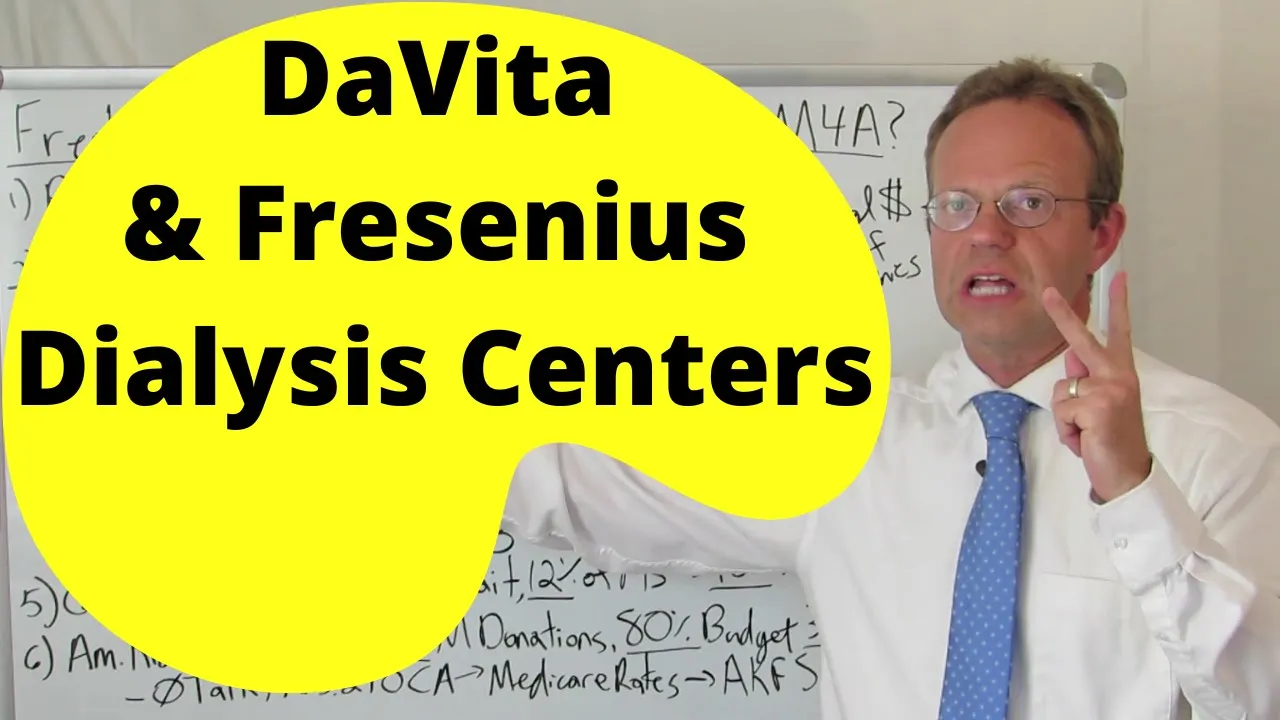
DaVita and Fresenius Dialysis Investigative Reporting
AHealthcareZ - Healthcare Finance Explained
@ahealthcarez
Apr 11, 2021
This video provides an in-depth exploration of the economic and clinical implications of market consolidation within the American dialysis industry, specifically focusing on the two dominant players, DaVita and Fresenius. Dr. Eric Bricker, referencing a Freakonomics Radio podcast episode, details how these companies have grown through a "roll-up strategy," acquiring independent dialysis centers, and the subsequent financial incentives that appear to influence clinical decisions and patient outcomes. The presentation highlights the significant financial discrepancies in reimbursement between commercial insurance and Medicare, and the elaborate schemes employed to maximize revenue, ultimately raising questions about the ethics and structure of healthcare finance. The speaker meticulously breaks down the findings of Duke University researchers who analyzed the impact of these acquisitions. They discovered a staggering 200% increase in the use of EPO (Erythropoietin), an anemia medication, in the exact same patients with unchanged clinical conditions, solely after an independent clinic was acquired by DaVita or Fresenius. This increase was directly linked to the reimbursement model, where facilities made more money per dose from commercial insurance or Medicare. When Medicare changed its policy to no longer reimburse by dose, EPO usage dropped by 50%, strongly suggesting that financial interests were driving clinical actions. Furthermore, the analysis revealed a 9.5% decrease in patients receiving or being listed for kidney transplants post-acquisition, a finding that raises concerns given that a transplant eliminates the need for ongoing dialysis, thus removing a long-term customer for the dialysis providers. The discussion extends to the intricate financial mechanisms that sustain this model, particularly the significant difference in payments from commercial insurance versus Medicare. Commercial insurers pay DaVita and Fresenius approximately four times more for dialysis services than Medicare. To retain these high-value patients, a scheme involving the American Kidney Fund (AKF) is detailed. DaVita and Fresenius contribute 80% of AKF's budget, which then pays the insurance premiums for dialysis patients who might otherwise lose their commercial coverage and transition to lower-paying Medicare. This arrangement yields a 3.5-to-1 return on investment for the dialysis companies. The video concludes by highlighting a California bill (AB 290) that sought to cap commercial dialysis reimbursement at Medicare rates, which was ultimately sued by the American Kidney Fund, underscoring the powerful financial interests at play. Key Takeaways: * **Market Consolidation and "Roll-Up Strategy":** DaVita and Fresenius control two-thirds (5,000 out of 7,500) of all dialysis clinics in America, largely through acquiring independent centers. This consolidation strategy allows them to exert significant market power and influence pricing. * **Financial Incentives Driving Clinical Decisions:** Research indicates that after independent dialysis centers were acquired by DaVita or Fresenius, EPO doses increased by 200% for the same patients, with no change in clinical condition. This suggests that financial gain, rather than patient need, influenced treatment protocols. * **Impact of Reimbursement Models:** The video provides a clear example of how changes in reimbursement policy directly affect clinical practice. When Medicare stopped reimbursing EPO by dose, its usage in clinics dropped by 50%, demonstrating the powerful link between payment structures and medical interventions. * **Discouragement of Kidney Transplants:** A concerning finding was a 9.5% decrease in patients receiving or being listed for kidney transplants after clinic acquisitions. Since a transplant cures kidney failure and eliminates the need for dialysis, this suggests a potential conflict of interest where long-term patient care may be secondary to sustained revenue. * **Disparity in Commercial vs. Medicare Reimbursement:** Commercial insurance pays DaVita and Fresenius approximately four times more than Medicare for dialysis sessions. This significant difference creates a strong financial incentive for companies to retain commercially insured patients. * **"Premium Laundering" Scheme:** The American Kidney Fund, largely funded by DaVita and Fresenius (80% of its budget), pays the commercial insurance premiums for dialysis patients. This allows patients to remain on higher-paying commercial plans, generating a 3.5-to-1 ROI for the dialysis companies. * **Regulatory Scrutiny and Settlements:** DaVita has faced substantial legal challenges, settling claims for bribery and kickback schemes with the federal government, totaling over $1 billion in fines and settlements over the years, indicating a pattern of questionable business practices. * **Challenges to Market Dominance:** A California bill (AB 290) attempted to mandate that commercially insured dialysis be reimbursed at Medicare rates. This legislative effort was met with a lawsuit from the American Kidney Fund, highlighting the aggressive defense of existing revenue streams by industry stakeholders. * **Ethical Implications in Healthcare Finance:** The entire case study underscores how financial interests can deeply intertwine with, and potentially compromise, clinical ethics and patient well-being, raising fundamental questions about the structure of healthcare delivery and payment. Key Concepts: * **Roll-up Strategy:** A business strategy where a company acquires many smaller companies in the same industry to consolidate market share, achieve economies of scale, and increase profitability. * **Erythropoietin (EPO):** A hormone produced by the kidneys that stimulates red blood cell production. In kidney failure, EPO production decreases, leading to anemia, which is often treated with synthetic EPO injections. * **Fiduciary Responsibility:** The legal and ethical obligation of a company's leadership to act in the best financial interest of its shareholders. * **Commercial Insurance vs. Medicare:** Two distinct healthcare payment systems in the U.S., with commercial insurance typically offering higher reimbursement rates to providers compared to government-funded Medicare. Examples/Case Studies: * **DaVita and Fresenius Acquisitions:** The video details how these two companies acquired 80% of independent dialysis facilities over a decade, leading to their current control of two-thirds of the U.S. market. * **Duke University Research:** Economists from Duke University conducted an analysis of 12 years of data (not 12,000 clinics as initially misstated in the podcast) on these acquisitions, revealing the specific clinical and financial impacts discussed. * **California AB 290:** This bill represented a legislative attempt to regulate dialysis reimbursement rates in California, aiming to align commercial rates with Medicare rates, but was ultimately challenged in court by the American Kidney Fund.

MSD: Delivering Impactful Content Faster
Veeva Systems Inc
/@VeevaSystems
Apr 1, 2021
This presentation details how MSD (Merck Sharp & Dohme), a major pharmaceutical company, successfully leveraged the Veeva platform, specifically Veeva PromoMats, to overhaul and automate its commercial content lifecycle. The central challenge addressed was the inherent conflict between the increasing demand for personalized, timely customer engagement and the slow, often manual, processes required for Medical, Regulatory, and Legal (MRL) review within a highly regulated environment. MSD’s strategy focused on achieving operational speed without compromising stringent regulatory compliance, a critical balance for any life sciences firm. The core transformation involved shifting the content creation paradigm from bespoke, full-asset development to a standardized, modular approach. By implementing robust template administration and governance within Veeva PromoMats, MSD enabled commercial teams to rapidly assemble new content pieces using pre-approved, compliant content modules. This methodology drastically reduces the volume of content requiring full MRL re-review, accelerating the time-to-market for essential medical information and promotional assets. This automation ensures that content is available for use by customers and field teams much faster, meeting the demands for speed and relevance in modern pharmaceutical engagement. A significant outcome of this initiative is the mitigation of regulatory risk associated with "unsupported content." By enforcing the use of approved templates and automating the compliance tracking process, MSD ensures that all deployed materials are fully auditable and adhere to strict standards, including those related to inspection readiness and post-estimation requirements. The presentation underscores that successful content automation is not merely a technical implementation but requires deep integration across commercial operations, medical affairs, and IT, ensuring that the entire organization benefits from the streamlined workflows and enhanced administrative control over content assets. Ultimately, MSD’s case study provides a clear blueprint for how life sciences companies can maximize their Veeva investment to drive commercial efficiency and maintain regulatory confidence simultaneously. Key Takeaways: * **Content Automation is Essential for Speed and Relevance:** MSD demonstrated that manual MRL review processes are incompatible with the demand for personalized, timely customer engagement; automation through platforms like Veeva PromoMats is necessary to accelerate asset creation and deployment. * **Shift to Modular Content Strategy:** The key to rapid content deployment is moving away from creating unique, full assets for every campaign toward a system where content is built from pre-approved, modular components (templates), significantly reducing MRL review time and increasing content reuse. * **Governance and Template Administration are Critical:** Successful automation requires strict administrative control over content templates and modules; robust governance ensures that content assembled from these components remains compliant and minimizes the risk of unsupported or non-compliant usage in the field. * **Integration of Medical Information and Commercial Operations:** The case study highlights the need for seamless integration between the availability of accurate medical information and commercial content deployment, ensuring that customer demands for timely data are met efficiently and compliantly. * **Regulatory Compliance is Built-In:** Leveraging Veeva PromoMats ensures that compliance requirements (like automated audit trails and inspection readiness) are tracked throughout the content lifecycle, addressing critical GxP and 21 CFR Part 11 concerns inherent to pharmaceutical content. * **Focus on Commercial Operations Optimization:** The primary business driver is optimizing commercial operations by increasing the speed and volume of compliant content, directly supporting sales and medical affairs teams in their engagement efforts and maximizing commercial impact. * **Addressing Unsupported Content Risk:** By standardizing content creation through approved templates and workflows, companies significantly reduce the risk of field representatives using "unsupported content," which can lead to significant regulatory violations and fines. * **The Importance of Inspection Readiness:** Automated content processes must include features that streamline the inspection and post-estimation process, providing clear documentation and comprehensive audit trails for regulatory bodies efficiently. * **Leveraging Templates for Efficiency:** Utilizing standardized templates allows administrators to control the structure and compliance elements of content, enabling rapid content assembly while ensuring that the final output adheres to all necessary legal and medical standards. Tools/Resources Mentioned: * Veeva PromoMats (The core platform enabling content automation, MRL workflow management, and digital asset distribution). Key Concepts: * **MRL Review (Medical, Regulatory, Legal Review):** The mandatory, multi-stage approval process required for all promotional and medical content in the pharmaceutical industry to ensure accuracy, balance, and regulatory compliance. * **Content Automation:** The use of specialized software to streamline and accelerate the creation, review, approval, and distribution of marketing and medical assets, typically relying on modular content and standardized templates. * **Unsupported Content:** Any promotional or medical material used by commercial teams that has not undergone the official MRL review and approval process, representing a high regulatory risk.

Mallinckrodt Shares Digital Asset Management Best Practices
Veeva Systems Inc
@VeevaSystems
Mar 29, 2021
This video provides an in-depth exploration of digital asset management (DAM) best practices, specifically tailored for emerging and mid-sized pharmaceutical companies. Presented by Joyce Pearl, Director of Marketing Services, and Tom Zito, Marketing Materials Specialist and DAM SME, from Mallinckrodt, the session outlines their journey from a chaotic, costly content management situation to a streamlined, efficient DAM program. The speakers share practical insights and lessons learned from building their DAM system from scratch, emphasizing the challenges and triumphs of implementing such a system within a resource-constrained environment. The presentation begins by illustrating the severe pain points Mallinckrodt faced prior to DAM implementation, including exorbitant costs for retrieving or recreating lost files (e.g., $40,000 for a single file package), difficulty locating original files and licensed images, and reliance on expensive agencies for simple updates. This context sets the stage for their decision to adopt a DAM system, integrating it with their transition from Zinc to Veeva PromoMats. A significant challenge was not just getting internal buy-in due to cost and legal concerns, but also ensuring user adoption, particularly from agencies responsible for uploading content. This led to the creation of custom training materials and the establishment of a dedicated DAM librarian role. A core component of their methodology is the "TASK" acronym, which encapsulates their key learnings and criteria for setting DAM expectations. "Taxonomy" stresses the critical importance of consistent classification, naming conventions, and metadata for discoverability. "Accept when it's not working" highlights the necessity of flexibility and willingness to iterate on processes, even if it means admitting initial approaches were flawed. "Set expectations and train everyone" underscores the continuous effort required for onboarding agencies and internal teams, providing clear guidelines and support. Finally, "Know your image rights" emphasizes the often-overlooked legal complexities of content usage, advocating for a deep understanding of licensing terms like royalty-free and rights-managed. The speakers detail how they integrated their printing process with Veeva to ensure file integrity and developed fields within the DAM to track image permissions and expiration dates, significantly mitigating previous issues. Key Takeaways: * **Address Costly Inefficiencies:** Prior to DAM, Mallinckrodt faced significant financial burdens, including paying up to $40,000 to retrieve or recreate lost files for a single brand, highlighting the critical need for centralized asset management to reduce operational costs. * **Strategic DAM Implementation with Veeva:** The company strategically integrated its DAM implementation with a broader transition from Zinc to Veeva PromoMats, leveraging the platform's capabilities for promotional review and asset storage. Agencies were required to be Veeva certified. * **The Crucial Role of a Dedicated DAM Librarian:** Establishing a dedicated Digital Asset Management Subject Matter Expert (SME) or "Librarian" is vital for day-to-day operations, ensuring consistent content classification, metadata application, and overall system integrity. * **The "TASK" Framework for Success:** Mallinckrodt developed the "TASK" acronym to guide their DAM strategy: Taxonomy, Accept when not working, Set expectations and train, and Know your image rights. This framework provides a structured approach to managing digital assets. * **Taxonomy is Paramount for Discoverability:** Effective taxonomy, including clear classification, consistent naming conventions, and robust metadata, is essential for users to find and reuse assets efficiently. Without it, the DAM becomes a costly storage solution rather than a functional library. * **Embrace Flexibility and Iteration:** Be prepared to "Accept when it's not working" and adjust processes. Mallinckrodt initially required source files too early, leading to corrupt or incomplete packages, and later shifted this requirement, integrating their printing process with Veeva to pull files directly from the DAM, significantly improving file integrity. * **Continuous Training and Communication:** "Set expectations and train everyone" is an ongoing effort. This includes virtual onboarding sessions for agencies and marketers, custom quick guides, and additional sessions like "ask the librarian" to ensure consistent understanding and adoption of DAM guidelines. * **Deep Understanding of Image Rights is Non-Negotiable:** Companies must "Know your image rights," understanding terms like royalty-free and rights-managed. The video highlights that agencies often lack this deep understanding, making it incumbent on the client to educate and enforce proper licensing documentation. * **Leverage System Features for Compliance:** The DAM system can be configured with custom fields to document image permissions, expiration dates, and automatically alert users about upcoming expirations, streamlining compliance and reducing legal risks associated with content usage. * **Overcoming Agency Resistance:** Agencies may not prioritize taxonomy and metadata as much as the client. The DAM librarian must be hands-on in verifying and editing incoming content to maintain consistency and quality within the library. * **Internal Buy-in and Cross-Functional Support:** Gaining initial buy-in from marketing and legal teams was easier due to existing frustrations and costs. However, active user adoption required more convincing and work, emphasizing the need for continuous advocacy and support. * **Building Processes from the Ground Up:** Mallinckrodt's team, initially without direct DAM experience, successfully built their operational model and processes from scratch, demonstrating that a base knowledge of the creative process and a willingness to learn can lead to effective solutions. Tools/Resources Mentioned: * Veeva PromoMats (Digital Asset Management and Promotional Review platform) * Zinc (Previous promotional review system) Key Concepts: * **Digital Asset Management (DAM):** A system for organizing, storing, and retrieving digital assets. * **Taxonomy:** The classification and categorization of content, crucial for search and discoverability within a DAM. * **Image Rights:** Legal permissions governing the use of images, including concepts like royalty-free (one-time fee for broad usage) and rights-managed (specific usage rights with limitations). * **Promotional Review Process (PRC):** The internal review and approval process for marketing and promotional materials in regulated industries, often involving medical, legal, and regulatory teams. * **DAM Librarian/SME:** A dedicated role responsible for the day-to-day operations, governance, and quality control of the digital asset management system. Examples/Case Studies: * **Mallinckrodt's DAM Journey:** The entire presentation serves as a case study of Mallinckrodt, an emerging/mid-sized pharma company, and their experience implementing and optimizing a DAM system, including their initial challenges, strategic decisions, and the development of the "TASK" framework. Specific examples include paying $40,000 for file retrieval and integrating their printing process with Veeva PromoMats.

Enable Agile and Impactful Digital Engagements with Veeva Align
Veeva Systems Inc
/@VeevaSystems
Mar 29, 2021
This video provides an in-depth exploration of how Veeva Align enables life sciences commercial teams to achieve greater agility and execute impactful digital engagement strategies. The core context is the recognized need for flexibility within the pharmaceutical industry to respond rapidly to daily changes in the field and adapt to healthcare professionals' (HCPs) evolving channel preferences. The video highlights a critical industry challenge: 90% of pharma executives lack confidence that their current operating models can effectively manage this rate of change. Veeva Align is presented as the solution that optimizes sales planning, ensuring commercial teams can adopt a more agile approach to territory and channel alignments. The platform is designed to eliminate complex and often non-compliant manual processes that typically slow down field execution. For sales managers, Veeva Align provides crucial real-time field insights and complete visibility into territories, including key accounts, product assignments, and representative deployment. A significant feature is the ability to model different alignment scenarios, allowing managers to instantly view the potential impact on sales plans before implementation. Furthermore, the built-in roster management capability streamlines the onboarding process, enabling newly hired representatives to be deployed to the field in just a few clicks, drastically improving speed-to-market. For commercial operations teams, the platform focuses on reducing back-end administrative burdens. Natively integrated with Veeva CRM, Veeva Align utilizes rule-based targeting to automate territory and account alignments. This automation replaces tedious, error-prone work with multiple spreadsheets, allowing commercial operations to push updates to the entire field force with a single click. This efficiency gain frees up teams to focus on more meaningful business activities, such as instantly creating and viewing multi-channel cycle plans. Finally, the video addresses the persistent challenge of sales and marketing misalignment, noting that only one-third of life sciences companies report visibility across these two functions. Veeva Align resolves this by giving multi-channel marketing teams greater visibility into field feedback and alignments based on segmentation data. By integrating insights from the field, marketing can refine channel activities, ensuring that sales representatives interact with the right customers, using the appropriate channels, and at the optimal time, thereby maximizing the return on digital engagement investments and driving coordinated commercial execution. Key Takeaways: * **Addressing the Agility Gap:** A significant majority (90%) of pharmaceutical executives lack confidence in their current operating models' ability to manage the necessary rate of change, underscoring the urgent industry need for agile sales planning tools like Veeva Align. * **Optimization of Sales Planning:** Veeva Align directly optimizes sales planning, territory alignments, and channel activity definitions, moving commercial teams away from static, rigid models toward a more flexible, responsive approach. * **Elimination of Non-Compliant Processes:** The platform replaces complex, manual processes—specifically the reliance on multiple spreadsheets for territory and roster management—which are often non-compliant and prone to errors, enhancing operational integrity. * **Real-Time Scenario Modeling:** Sales managers gain the critical ability to model various alignment scenarios and immediately view the projected impact on sales plans, enabling data-driven decision-making before deploying changes to the field. * **Accelerated Roster Management:** The built-in roster management feature dramatically accelerates the deployment of new representatives, ensuring newly onboarded personnel can be assigned and active in the field quickly, minimizing lost time. * **Automation via Rule-Based Targeting:** Commercial operations benefit from rule-based targeting, which automates the alignment process, reducing administrative overhead and ensuring consistency across the organization. * **Single-Click Field Deployment:** Updates to the entire field force, including territory and roster changes, can be executed with a single click, providing unprecedented speed and control compared to manual distribution methods. * **Instant Multi-Channel Cycle Planning:** Commercial operations teams can instantly create and view multi-channel cycle plans, allowing them to shift focus from data manipulation to strategic planning and execution. * **Enhanced Sales and Marketing Visibility:** The platform improves alignment between sales and marketing, addressing the statistic that only one-third of companies currently have visibility into each other's activities, fostering a unified commercial strategy. * **Data-Driven Channel Refinement:** Marketing teams leverage field feedback and segmentation data insights provided by Align to refine channel activities, ensuring that digital and physical engagements are highly targeted and timely. * **Native CRM Integration:** The native integration with Veeva CRM is fundamental, ensuring seamless data flow between the core customer relationship management system and the alignment planning tool, maximizing data accuracy and operational efficiency. Key Concepts: * **Veeva Align:** A specialized Veeva Systems product designed to optimize sales planning, territory management, and commercial alignment for life sciences companies. * **Rule-Based Targeting:** An automated system within Veeva Align that uses predefined business rules and segmentation data to determine optimal territory and account assignments, ensuring consistency and compliance. * **Multi-Channel Cycle Plans:** Strategic plans that define the sequence and type of interactions (digital, in-person, email, etc.) a commercial team will execute with specific HCPs over a defined period. * **Roster Management:** The process of managing the assignment, deployment, and status of field representatives, streamlined by Veeva Align to ensure rapid onboarding and accurate territory coverage. Tools/Resources Mentioned: * Veeva Align * Veeva CRM

Boehringer Ingelheim: Automated and Agile Sales Planning
Veeva Systems Inc
@VeevaSystems
Mar 29, 2021
This video provides an in-depth testimonial from Boehringer Ingelheim regarding the successful transformation of their commercial operations, specifically focusing on sales planning and field force alignment, through the implementation of a unified technology solution. The core motivation for this initiative was the recognition that existing technology was slowing down the business rather than supporting it, stemming from a highly fragmented system landscape where individual countries operated in isolation, leading to inefficiencies and a lack of centralized control. The adoption of Veeva Align was the central mechanism for achieving this operational overhaul, serving as the single core solution for all markets. This consolidation delivered several immediate and tremendous improvements. Firstly, the standardization of the planning process across the organization resulted in significant time savings, recovering valuable hours previously lost to managing disparate systems and manual processes. Secondly, the implementation fostered greater autonomy for local business units. Because the application is highly intuitive and robust, local teams could run the sales planning application independently, reducing their reliance on centralized IT support for day-to-day operations and maintenance. A critical success factor highlighted was the positive impact on the field force. The solution provided a very simple and intuitive user interface for sales representatives to provide feedback on their sales plans. This ease of use was so effective that the company experienced almost zero change management resistance, a rare achievement in large-scale enterprise software rollouts. Furthermore, the technological shift addressed a major operational roadblock: the inability to conduct planning cycles frequently. Prior to the implementation, sales planning was a painful exercise avoided by many and performed only once a year. The most strategic outcome of the implementation was the newfound agility. By automating and simplifying the planning process, Boehringer Ingelheim became capable of executing shorter, more frequent planning cycles. This agility is deemed essential, particularly in unpredictable environments like the one created by the COVID-19 pandemic, where long-term planning is unreliable. The ability to pivot quickly and adjust sales plans based on real-time market conditions moved the planning function from a static annual event to a dynamic, continuous process, ensuring the commercial organization remains responsive to evolving market demands. Key Takeaways: * **Fragmentation as a Business Inhibitor:** A highly fragmented system landscape across global markets severely slows down commercial operations, forcing local teams into isolated, inefficient planning processes and preventing enterprise-wide agility. * **Value of a Core Solution (Veeva Align):** Implementing a single, centralized platform like Veeva Align for sales planning and territory alignment is crucial for achieving standardization, eliminating redundant efforts, and unlocking substantial time savings across the organization. * **Empowering Business Autonomy:** The chosen technology solution must be intuitive enough to allow local business units to manage and run the application independently, thereby reducing their dependence on central IT teams and accelerating local decision-making. * **Minimizing Change Management:** A simple and intuitive user interface (UI) is paramount for field force adoption; Boehringer Ingelheim achieved "almost zero" change management resistance by providing an easy way for the field force to interact with and provide feedback on their sales plans. * **Shift to Agile Planning Cycles:** The primary strategic benefit is the ability to move away from a single, annual, "painful" planning exercise to shorter, more frequent cycles, which is necessary for modern market responsiveness. * **Pandemic-Driven Agility Requirement:** The need for shorter planning cycles is amplified by unpredictable global events (like COVID-19), demonstrating that long-term planning is insufficient and continuous planning capabilities are a competitive necessity. * **Technology as an Enabler, Not a Roadblock:** The goal of modern commercial technology implementation should be to transform historically avoided, complex processes into manageable, frequent exercises that support, rather than hinder, business objectives. * **Field Force Feedback Loop:** The solution successfully integrated the field force by providing a simple mechanism for them to contribute feedback directly into the sales planning process, ensuring plans are grounded in real-world operational realities. Tools/Resources Mentioned: * **Veeva Align (referred to as 'viva align'):** A core Veeva Systems product used for territory and quota management, field force alignment, and sales planning within the pharmaceutical industry. Key Concepts: * **Fragmented System Landscape:** Refers to an environment where multiple, disparate, and often localized software systems are used to perform the same function (e.g., sales planning), leading to data silos, integration difficulties, and operational inefficiencies. * **Agile Sales Planning:** The methodology of conducting sales planning and territory adjustments in frequent, short cycles (e.g., quarterly or monthly) rather than annually, allowing the commercial organization to quickly adapt to changing market conditions, competitive actions, or regulatory shifts. * **Field Force Autonomy:** The ability of sales representatives and local commercial operations teams to manage and execute planning tasks within the application without requiring constant intervention or support from central IT or specialized technical teams.
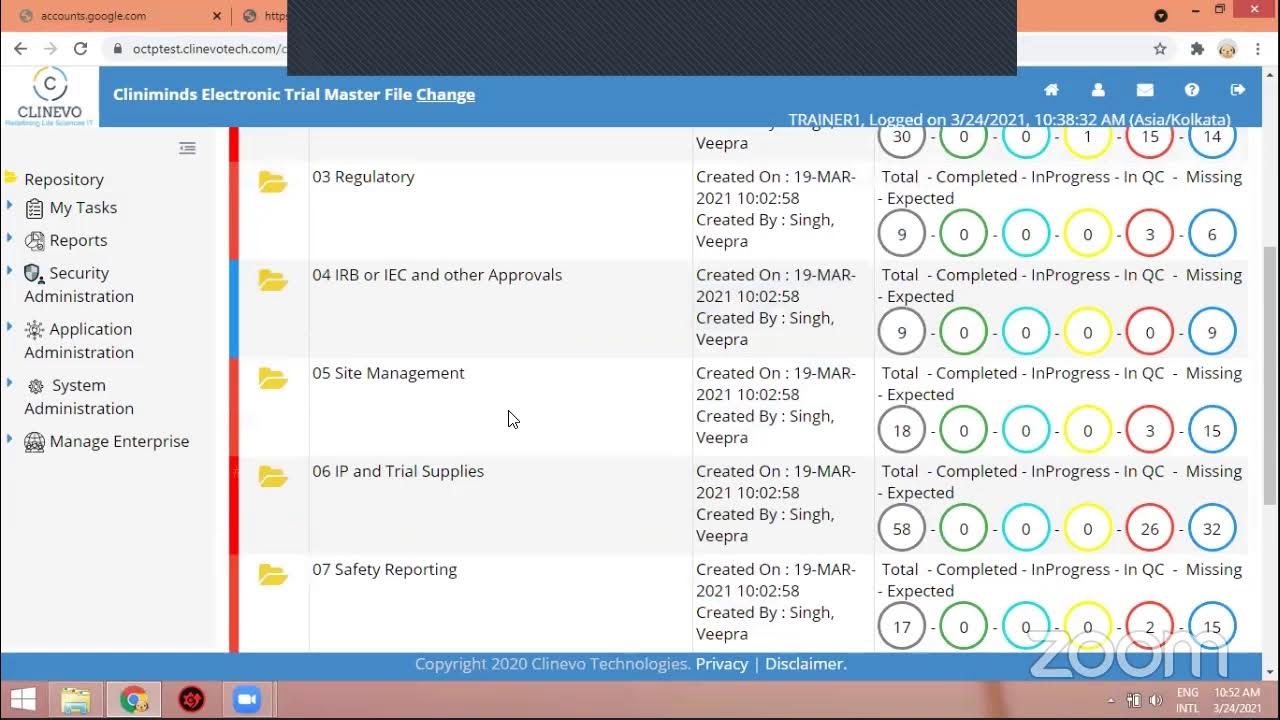
eTMF Software Hands on Practice - Cliniminds || Electronic Trial Master File
Cliniminds India
/@ClinimindsIndia
Mar 23, 2021
This video provides a hands-on, practical demonstration of utilizing an Electronic Trial Master File (eTMF) software system, focusing specifically on the critical workflow processes involved in managing clinical trial documentation. The primary purpose is to guide users through the step-by-step procedures for uploading, describing, and progressing essential documents like study protocols and case report forms (CRFs) through a regulated approval cycle. The tutorial emphasizes the importance of structured document management within a clinical research context, highlighting how an eTMF system facilitates organization, version control, and compliance. The demonstration begins with the fundamental action of uploading a document into a designated folder, illustrating how to use placeholders and context menus to initiate the upload process. It then delves into the crucial metadata associated with each document, such as providing a description, assigning a name, and setting workflow parameters like "auto-publish," along with effective and expiry dates. A significant portion of the video focuses on the document lifecycle, transitioning from an initial "open" status to subsequent stages like "pending for review" and "approved." This progression is managed through specific actions like "check-in," which is vital for version control and moving documents through the predefined workflow. Throughout the session, the instructor guides a participant through the software interface, troubleshooting minor operational issues like ensuring a document is selected before attempting a right-click action or saving a document before assigning reviewers. The core methodology demonstrated revolves around a role-based workflow, where documents move from an author to a reviewer and then an approver. This structured approach ensures that all necessary checks and balances are in place, aligning with regulatory requirements for clinical trial documentation. The practical examples of uploading a "protocol" and a "sample case report form" underscore the system's application to diverse clinical trial artifacts, reinforcing the necessity of meticulous documentation for regulatory adherence and audit readiness. Key Takeaways: * **eTMF as a Centralized Repository:** The video demonstrates an eTMF system as a crucial digital platform for organizing and managing all essential documents related to a clinical trial, ensuring a single source of truth for regulatory compliance and operational efficiency. * **Structured Document Upload Process:** Users are guided on how to upload documents using specific interface elements like placeholders, right-click menus, and "add document" options, emphasizing the systematic approach required within an eTMF. * **Importance of Document Metadata:** Critical information such as protocol description, document name, effective date, and expiry date must be accurately entered during upload. This metadata is essential for searchability, categorization, and compliance tracking. * **Automated Workflow Configuration:** The eTMF system allows for configuring workflows, such as "auto-publish," which dictates how documents progress through their lifecycle, minimizing manual intervention for routine tasks. * **Role-Based Document Review and Approval:** Clinical trial documents undergo a rigorous review and approval process involving different roles (e.g., author, reviewer, approver). The system facilitates assigning these roles to specific individuals to ensure accountability and compliance. * **Document Status Tracking:** The eTMF clearly displays the current status of each document (e.g., "open," "pending for review," "approved"), providing transparency and enabling real-time monitoring of documentation progress. * **"Check-in" for Version Control and Workflow Progression:** The "check-in" functionality is critical for formalizing changes, creating new versions, and moving a document to the next stage in its predefined workflow (e.g., from editing to review). * **Iterative Document Management:** The process of uploading, saving, reviewing, editing, and approving documents is iterative, often requiring multiple steps and interactions within the eTMF system to reach final approval. * **Handling Diverse Clinical Documents:** The demonstration covers the uploading of different types of essential clinical trial documents, specifically a "protocol" and a "case report form (CRF)," highlighting the system's versatility for various trial artifacts. * **Troubleshooting Common User Errors:** The tutorial implicitly addresses common user pitfalls, such as the necessity to first select a document before performing actions like right-clicking or ensuring a document is saved before attempting to assign reviewers. * **Regulatory Compliance Foundation:** The structured workflows, role assignments, and audit trails inherent in an eTMF system are foundational for meeting regulatory requirements from bodies like the FDA and EMA, ensuring GxP and 21 CFR Part 11 adherence. Key Concepts: * **eTMF (Electronic Trial Master File):** A digital system used to manage and store all essential documents for a clinical trial in a compliant and organized manner. * **Protocol:** A document that describes the objectives, design, methodology, statistical considerations, and organization of a clinical trial. * **Case Report Form (CRF):** A document, paper or electronic, designed to record all protocol-required information to be reported to the sponsor on each trial subject. * **Workflow:** A sequence of tasks or processes through which a document passes from initiation to completion, often involving multiple users and stages like review and approval. * **Auto-Publish:** A workflow setting that automatically publishes a document or moves it to the next stage upon meeting certain conditions, without manual intervention. * **Reviewer/Approver:** Roles assigned to individuals responsible for examining and formally sanctioning documents within the eTMF workflow. * **Check-in:** The action of saving a document back into the eTMF system, often creating a new version and potentially triggering the next step in its workflow. * **Document Status:** The current state of a document within its lifecycle (e.g., open, pending for review, approved, archived). Tools/Resources Mentioned: * An unspecified eTMF software system is demonstrated for hands-on practice.

This OVERSOLD growth stock could have HUGE revenue in 2021 (30% upside potential)
Raylin Records
/@RaylinRecords
Mar 20, 2021
This.ai, and delves into the digital transformation occurring within the pharmaceutical and life sciences industries, particularly concerning clinical trials and operational efficiency. This video explores Veeva ($VEEV) as a leading cloud solution provider driving digitalization in the healthcare sector, specifically within the pharmaceutical and life sciences industries. The speaker discusses Veeva's financial performance and significant growth, highlighting its role in accelerating the shift towards digital, paperless, and patient-centric clinical trials. A major focus is placed on Veeva Vault Clinical applications and the groundbreaking Veeva e-consent, which enables electronic informed consent for clinical studies, streamlining processes and facilitating decentralized trials. The video emphasizes the vast market opportunity for digital healthcare solutions and the increasing adoption of cloud-based services accelerated by recent global events. Key Takeaways: * **Veeva's Central Role in Digital Healthcare:** Veeva is presented as a crucial cloud solution for healthcare, offering business consulting and training to major pharmaceutical clients like Merck, Moderna, and Eli Lilly, underscoring its deep integration into the industry. * **Pioneering Digital Consent and Decentralized Trials:** The introduction of Veeva e-consent marks a significant milestone, enabling the first fully digital, electronic informed consent in clinical trials. This innovation facilitates paperless, patient-centric studies and supports a "work from home study" model, allowing remote patient participation and real-time visibility for sponsors. * **Streamlining Clinical Operations:** Veeva Vault Clinical applications are highlighted for their ability to streamline global trial processes for Contract Research Organizations (CROs), enhancing efficiency, reducing administrative burden, and accelerating study execution. * **Massive Untapped Market Potential:** The digital healthcare community represents a substantial and growing total addressable market (TAM), estimated at over $12 billion. Veeva is positioned to capture a significant portion of this, with projections for substantial revenue growth across its diverse cloud services, including data cloud, patient data & analytics, and commercial cloud. * **Accelerated Digital Adoption Post-Pandemic:** The video notes that the pandemic has significantly accelerated the industry's move towards digital solutions, making cloud-based services essential for maintaining study timelines and improving overall trial execution. * **Focus on Efficiency and Patient Experience:** The core benefits of Veeva's innovations are increased efficiency, faster processes, reduced administrative tasks, and an improved patient experience by removing geographical and paper-based barriers in clinical research.
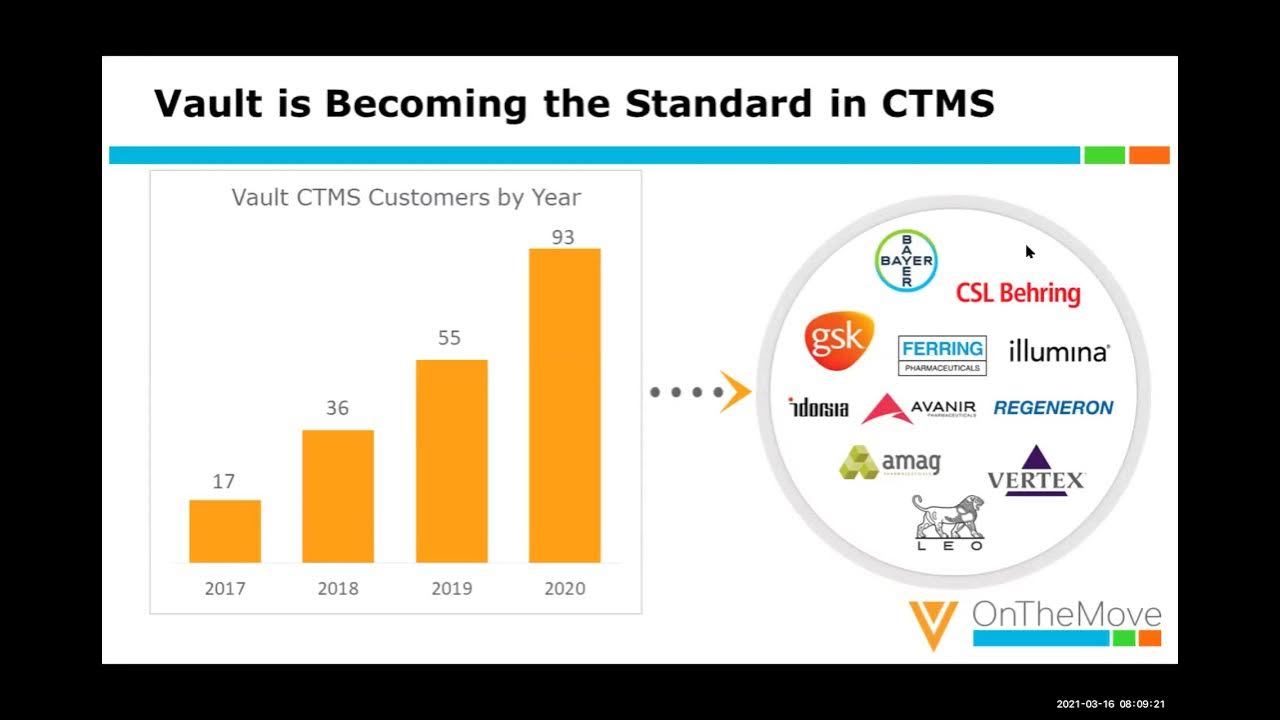
Webinar: Simplify Monitoring for CRAs
Veeva Systems Inc
/@VeevaSystems
Mar 18, 2021
This webinar, hosted by Veeva Systems, focuses on "Simplify Monitoring for CRAs" by leveraging modern Clinical Trial Management Systems (CTMS) and offline monitoring capabilities. The session features experts from Veeva Vault CTMS, On The Move Software (a Veeva partner specializing in offline solutions), and a customer perspective from Illumina. The primary goal is to demonstrate how to quickly implement and deploy the CTMS application, specifically highlighting the benefits of offline functionality for Clinical Research Associates (CRAs) within the pharmaceutical and life sciences industries. The webinar kicks off with Henry Galio from Veeva, who underscores the vital role of CRAs in clinical operations and the historical inefficiencies in their workflows. He presents data from "time and motion studies" spanning 20 years, revealing that CRAs spend a significant amount of time (e.g., 222 days on average per 1000 trip reports) using non-standard trackers like Word and Excel, or logging into disparate third-party applications, rather than a unified CTMS. This inefficiency stems from outdated software, poor connectivity, and a lack of intuitive tools. Galio emphasizes Veeva's commitment since 2016 to modernize CTMS, making it more efficient, intuitive, and enjoyable to use, especially in a post-COVID world where ease of use can impact talent retention. He highlights Veeva Vault CTMS's rapid adoption as a standard and introduces On The Move as a key partner in achieving seamless offline monitoring. Duncan Scattergood from On The Move Software then provides a live demonstration of their product, which is a standard, out-of-the-box solution specifically built for Veeva CTMS. He explains that the application supports existing Veeva Vault configurations, is extensible to other Vault areas, and is primarily focused on Monitoring Visit Reports (MVRs). The core benefits showcased are its offline capability, allowing CRAs to work without internet connectivity (reducing reliance on manual trackers), and its mobile-first design for smaller devices, ensuring ease of use and guiding CRAs through the monitoring process. The demo illustrates features such as syncing monitoring events, intuitive navigation for answering questionnaires, adding comments (including a future voice-to-text feature), automatically creating follow-up items, and conditional questioning logic. The process culminates in a streamlined review and submission of the MVR back to Veeva Vault CTMS, appearing as if it were created directly in the standard interface. Following the demo, Kelly Hazel from Illumina shares her company's experience with implementing Veeva Vault CTMS and On The Move. She recounts how the demand for offline capability arose early from CRAs and how their implementation journey, initially planned for early 2020, was impacted by project delays and the COVID-19 pandemic, which temporarily deprioritized the "traveling" use case. Despite these challenges, Illumina successfully went live with On The Move in December of the previous year, praising the seamless integration and the collaborative effort with the On The Move team. Kelly also details their approach to CRA training, which involved a phased, layered approach to gradually introduce Veeva CTMS and then On The Move, ensuring CRAs had a solid foundation. She emphasizes the importance of maintaining sync between Veeva Vault configurations and On The Move updates, especially given Veeva's three-times-a-year update cycle and Illumina's evolving business needs, including specific adaptations for COVID studies. The webinar concludes with a brief Q&A session, addressing technical aspects like data synchronization via the Veeva REST API and integration with Veeva CDMS. Key Takeaways: * **Significant CRA Workflow Inefficiencies:** Traditional CTMS systems and monitoring processes lead to substantial time waste for CRAs. Studies show CRAs spend an average of 222 days per 1000 trip reports using non-standard tools like Word/Excel trackers and logging into multiple third-party applications, highlighting a critical need for modernization and integration in clinical operations. * **Modern CTMS for Enhanced Efficiency:** Veeva Vault CTMS aims to address these inefficiencies by providing a unified, cloud-based platform that connects to other applications, reduces clicks, and offers an intuitive user experience. The goal is to make monitoring tasks less onerous and more enjoyable for CRAs, improving overall operational efficiency. * **Offline Monitoring is Crucial for CRAs:** The "On The Move" solution, integrated with Veeva Vault CTMS, provides essential offline capabilities. This allows CRAs to continue working on monitoring visit reports (MVRs) even in areas with poor internet connectivity or while traveling, directly reducing reliance on manual trackers and third-party apps. * **Mobile-First Design for Ease of Use:** The On The Move application is designed for smaller devices (e.g., tablets, laptops) with a laser-light focus on ease of use. It guides CRAs through the monitoring process, making it simpler to get everything right the first time and reducing training overhead. * **Streamlined MVR Completion:** The demo showcased how On The Move simplifies the creation and submission of MVRs, including answering questionnaires with single touches, adding comments (with a potential future voice-to-text feature), automatically generating follow-up items, and implementing conditional questioning logic to streamline the user flow. * **Seamless Data Synchronization:** On The Move syncs data with Veeva Vault CTMS via the Veeva REST API, ensuring that monitoring events and completed reports are seamlessly transferred between the offline device and the main CTMS, appearing as if created directly in Veeva. * **Importance of IT Partnership in Implementation:** Illumina's experience highlights the value of a strong partnership between business and IT departments for successful implementation. Addressing IT questions, compliance, timelines, and impacts collaboratively ensures smooth integration of new software like On The Move. * **Phased and Layered Training Approach:** For new software adoption, especially for CRAs transitioning from older tools, a phased training approach is highly effective. Illumina successfully layered On The Move training on top of foundational Veeva CTMS training, allowing CRAs to adjust gradually and build proficiency. * **Continuous Configuration Management:** Maintaining synchronization between Veeva Vault CTMS configurations and partner solutions like On The Move is critical. Given Veeva's frequent update cycles (three times a year) and evolving business needs, organizations must proactively manage configuration changes to ensure consistent functionality across all integrated systems. * **Veeva CTMS as an Industry Standard:** Veeva Vault CTMS is rapidly becoming a standard in the industry, indicating a strong market presence and a platform that many life sciences companies are adopting for their clinical operations. * **Integration with Other Veeva Products:** Veeva offers productized connectors, such as from Veeva CDMS (Clinical Data Management System) to Veeva Vault CTMS, allowing relevant data from EDC systems to flow into monitoring visit reports and then seamlessly to offline tools like On The Move. * **Impact of Global Events on Software Adoption:** The COVID-19 pandemic significantly impacted Illumina's implementation timeline for On The Move, temporarily deprioritizing the "traveling" use case. However, the tool still proved valuable for CRAs working from home with inconsistent internet connectivity, demonstrating its versatility beyond its initial intended use. Tools/Resources Mentioned: * **Veeva Vault CTMS:** Clinical Trial Management System. * **On The Move Software:** Partner solution providing offline capabilities for Veeva enterprise applications, specifically focused on Veeva Vault CTMS for monitoring visit reports. * **Veeva CDMS:** Clinical Data Management System (mentioned in context of integration with CTMS). * **Veeva REST API:** Used for data synchronization between On The Move and Veeva Vault CTMS. * **Microsoft Surface, MacBook, iPad, Phone:** Examples of devices On The Move can run on. * **Word, Excel:** Examples of non-standard trackers CRAs often use. Key Concepts: * **CTMS (Clinical Trial Management System):** A software system used to manage and track various aspects of clinical trials, including planning, execution, and reporting, crucial for pharmaceutical and life sciences companies. * **CRA (Clinical Research Associate):** Professionals responsible for monitoring clinical trials, ensuring compliance with protocols, regulations, and data integrity at investigative sites. * **Offline Monitoring:** The capability for CRAs to perform monitoring activities and complete reports on a device without continuous internet connectivity, with data syncing automatically once a connection is re-established. * **Monitoring Visit Report (MVR):** A formal document prepared by a CRA after a site visit, detailing observations, findings, and follow-up actions related to the clinical trial, critical for compliance and oversight. * **Time and Motion Studies:** A research methodology used to analyze and measure the time taken to perform tasks and identify inefficiencies in workflows, often applied to optimize operational processes. * **Conditional Questioning:** A feature in questionnaires where subsequent questions appear or disappear based on the answer to a previous question, streamlining the user experience and reducing irrelevant data entry. * **Veeva Vault Platform:** A cloud-based content and data management platform for the life sciences industry, serving as the foundation for various Veeva applications like CTMS and CDMS, ensuring a unified ecosystem. Examples/Case Studies: * **Illumina's Implementation Journey:** Kelly Hazel from Illumina shared their real-world experience implementing On The Move with Veeva Vault CTMS. This included detailing the challenges (project delays, pandemic impact), the critical importance of IT partnership, and their successful phased CRA training approach, providing practical insights into deploying such a solution in a life sciences company. * **20 Years of Time and Motion Studies:** Henry Galio referenced two decades of research on CRA workflows, providing a specific data point: 222 days spent on non-standard trackers per 1000 trip reports. This illustrates the historical inefficiency that modern CTMS solutions, like Veeva Vault CTMS with On The Move, aim to solve by streamlining processes and improving tool usability.

Modern Medical Inquiry Management
Veeva Systems Inc
/@VeevaSystems
Mar 18, 2021
This video provides an in-depth exploration of the challenges facing medical information (MI) teams in the life sciences industry and introduces Veeva's Vault MedComms as a modern, cloud-based solution for managing the medical inquiry lifecycle. Callum Hawes, Veeva's Director of Strategy for Vault MedComms, outlines significant industry trends, including a marked increase in the volume of medical information requests and a corresponding rise in the burden placed on MI teams. Crucially, the presentation emphasizes the shifting expectations of healthcare professionals (HCPs) and patients, who now demand information and content delivered through new channels and in richer, more digital formats, such as videos and infographics, moving beyond traditional response letters. A central theme of the discussion revolves around the technological hurdles currently impeding efficiency. Hawes highlights that many organizations rely on legacy systems that are often complex, heavily customized, and difficult to maintain. These older systems frequently fail to keep pace with the maturation and evolving needs of modern MI teams. Furthermore, these systems are often decentralized, operating regionally or globally in silos, which prevents organizations from capitalizing on opportunities for process efficiency and comprehensive data aggregation. The speaker positions medical information not merely as a service function but as a "really rich source of strategic insight" that can significantly benefit the broader medical affairs organization when data is leveraged correctly. Vault MedComms is presented as a complete, single-application solution designed to cover the entire end-to-end medical information life cycle. This process begins with the efficient intake of a medical information request and includes the centralized management of case details. A key functional benefit is the ability to efficiently find the necessary content for a response, whether it is a standard medical information response letter or a more modern, digital asset like a video or infographic. The system facilitates the provision of the response directly from the same solution, ensuring a streamlined workflow. The strategic advantage of using a centralized system like Vault MedComms is the ability to unlock rich insights and reports regarding MI processes. The solution is described as modern, receiving three releases per year to continuously add value-adding capabilities. Importantly for the broader pharmaceutical ecosystem, the application is connected to a wider network of Veeva applications and channels, specifically mentioning integration with Veeva CRM, allowing for seamless data flow and connectivity across commercial and medical functions. Key Takeaways: • **Increased Burden on MI Teams:** Medical Information teams are facing a growing volume of requests, demanding greater efficiency and placing increased pressure on existing resources and processes. • **Shift to Digital Content:** HCPs and patients are challenging MI teams to provide information in new, richer digital formats, necessitating the ability to manage and deliver content such as videos and infographics alongside traditional response letters. • **Strategic Value of MI Data:** Medical information requests represent a "rich source of strategic insight" that, when properly centralized and analyzed, can provide valuable intelligence to inform the broader medical affairs organization's strategy and activities. • **Challenges of Legacy Systems:** Many organizations are hampered by outdated, complex, and customized legacy systems that are difficult to maintain, lack necessary innovation, and fail to support the maturity of modern MI processes. • **Need for Centralization:** Decentralized MI systems (regional or global silos) prevent organizations from achieving optimal efficiency and inhibit the ability to generate comprehensive, actionable reports across the entire organization. • **End-to-End Lifecycle Management:** An effective modern solution must cover the complete MI lifecycle, from initial request intake and efficient case detail management to content finding, response provision, and centralized reporting. • **Unified Content Repository:** The ability to efficiently find the correct response content—regardless of format (standard letter or digital asset)—from a single source is critical for rapid and accurate inquiry resolution. • **Modern Cloud Architecture:** Adopting a modern, cloud-based solution ensures continuous improvement, as evidenced by Vault MedComms' three annual releases that introduce new, value-adding capabilities to benefit MI teams. • **Ecosystem Connectivity:** Solutions must integrate seamlessly with the broader pharmaceutical technology ecosystem, particularly commercial platforms like Veeva CRM, to ensure data consistency and cross-functional alignment. • **Process Reporting and Optimization:** Centralizing the MI process unlocks the ability to generate detailed reports and insights into operational processes, enabling continuous optimization and identification of bottlenecks. Tools/Resources Mentioned: * **Vault MedComms:** Veeva's cloud-based application specifically designed for managing the medical information life cycle, including case and response management. * **Veeva CRM:** Mentioned as part of the broader Veeva ecosystem to which Vault MedComms is connected, facilitating integration between medical and commercial functions. Key Concepts: * **Medical Information (MI) Management:** The specialized function within pharmaceutical and life sciences companies responsible for responding to unsolicited requests for medical and scientific information from healthcare professionals, patients, and consumers. * **End-to-End Life Cycle:** Refers to the complete process flow of managing an inquiry, starting from the initial intake of the request, through content retrieval and response generation, to final reporting and archival. * **Decentralization:** The common challenge where medical information processes and systems are managed independently across different regions or global affiliates, leading to inefficiencies and fragmented data. * **Strategic Insight:** The concept that the data collected from medical inquiries (e.g., topics of interest, frequency of questions, content gaps) provides valuable intelligence that can inform the strategic direction of medical affairs and product development.

How Alcon Took Their Clinical Processes Digital and Improved Efficiency Across Teams
Veeva Systems Inc
/@VeevaSystems
Mar 17, 2021
This video details Alcon's successful digital transformation journey in clinical operations, focusing on replacing outdated manual systems with modern, interconnected solutions powered by Veeva Vault. The core objective of this mission was to enhance efficiency, boost interconnectivity both internally and externally with clinical sites and vendors, and ultimately free up valuable time for teams to concentrate on product development and patient quality of life. Alcon achieved remarkable speed in their implementation, hitting major milestones months ahead of schedule, demonstrating a high degree of organizational commitment and effective partnership with Veeva. A significant theme throughout the transformation was the rapid adoption and deployment of various Veeva Clinical Vaults. Alcon initially set a stretch goal to go live with the ClinOps Vault across six studies by the end of July 2020 but exceeded this goal by launching with 13 studies. By the end of October, they had over 100 studies integrated into the system. Furthermore, the implementation of the Clinical Data Management System (CDMS) was completed two months ahead of schedule, leading to a profound organizational transformation within the data management function. This shift involved empowering data managers to also develop the clinical databases, thereby eliminating the time-consuming specification (spec) process that previously required extensive iterations between two distinct skill sets. The consolidation of information and systems proved critical to achieving these efficiency gains. Previously, teams had to search across multiple disparate systems, resulting in piecemeal information. By centralizing study creation, management, and document collection, Alcon gained clearer, real-time metrics on operational efficiency and bottleneck identification. This transparency extended to workload management, providing a clearer picture of resourcing and individual assignments. The most dramatic efficiency gain was observed in the electronic Trial Master File (eTMF) process. Alcon moved away from a cumbersome, multi-departmental workflow that required creating specific cover sheets, manual scanning, and uploading—a process that often resulted in lost documents or pages. The new eTMF system allows for instantaneous document upload and viewing, making the previous manual workload a "thing of the past." Looking ahead, Alcon plans to maximize the time savings achieved by focusing on study execution and offering enhanced support to clinical sites. The saved hours are being leveraged to shorten startup tasks, particularly for newer sites unfamiliar with research protocols. Their future digital path includes exploring Veeva SiteVault Free and SiteConnect to further automate information sharing, improve collaboration, and accelerate trials. This focus aims to reduce the administrative burden on sites, such as the manual scanning, filing, and long-term storage of paper records (up to 25 years), by providing electronic solutions that negate the need for such extensive manual workloads. Key Takeaways: • **Accelerated Implementation Success:** Alcon demonstrated exceptional speed in their digital rollout, exceeding their stretch goal for ClinOps Vault implementation by launching with 13 studies instead of the targeted six, and completing CDMS implementation two months ahead of schedule. • **Organizational Transformation via Technology:** The CDMS implementation facilitated a major shift in the Data Management organization, where data managers were cross-trained to also develop clinical databases, eliminating the need for a separate, iterative specification (spec) process between two distinct skill sets. • **Elimination of Process Bottlenecks:** Consolidating systems into the Veeva Vault platform eliminated the need to search across multiple disparate systems, centralizing study creation, management, and document collection for enhanced efficiency. • **eTMF Efficiency Gains:** The transition to electronic Trial Master File (eTMF) dramatically improved document management by replacing a complex, multi-departmental manual process (involving cover sheets, manual scanning, and uploading) with instantaneous digital uploads and viewing. • **Data Transparency and Workload Management:** Centralized systems provided clearer metrics on operational efficiency, transparently identifying bottlenecks and allowing management to gain a clearer picture of resourcing, workloads, and who is working on specific tasks. • **Shift from Administration to Execution:** The saved time resulting from automation and process elimination is being redirected to maximize study execution and provide greater attention to critical tasks, rather than administrative overhead. • **Enhanced Site Support Strategy:** Alcon is leveraging the time savings to offer more robust support to clinical sites, helping to shorten startup tasks and guide newer sites through research processes, thereby accelerating the overall trial timeline. • **Future Automation Focus:** The next phase of the digital journey involves leveraging tools like Veeva SiteVault Free and SiteConnect to automate information sharing and reduce the significant administrative burden (e.g., scanning, filing, and 25-year storage requirements) associated with paper records at clinical sites. • **Cross-Team Efficiencies:** Utilizing different Veeva Vaults (e.g., CDMS data flowing into Clinical Vault) created efficiencies by ensuring information transparency across various functions, including data management, trial leads, document managers, site monitors, biostats, medical safety, and clinical supply. • **Adoption Driven by Transparency:** The transparency created by having different functional teams access and use the centralized system was a key factor in driving system adoption across the organization. Tools/Resources Mentioned: * Veeva ClinOps Vault * Veeva CDMS (Clinical Data Management System) * Veeva eTMF (electronic Trial Master File) * Veeva SiteVault Free * Veeva SiteConnect Key Concepts: * **Digital Transformation Mission:** A strategic, large-scale effort to replace manual systems and processes with modern, digital ways of working to improve effectiveness and efficiency. * **Interconnectivity:** The goal of boosting seamless data and process flow both within the organization and externally with clinical sites and vendors. * **Specification (Spec) Process Elimination:** The organizational change that allowed data managers to take on database development responsibilities, removing the need for a separate, time-consuming documentation and iteration process between two different teams. * **Connected Studies:** The concept of automating information sharing between the sponsor (Alcon) and the clinical sites using platforms like SiteConnect to accelerate collaboration and trials.

Why bring TMF In-house?
Veeva Systems Inc
/@VeevaSystems
Mar 17, 2021
This video provides an in-depth exploration of the strategic decision by GW Pharmaceuticals to transition from a fully outsourced Trial Master File (TMF) model to an in-house electronic TMF (eTMF) solution, specifically leveraging the Veeva platform. The primary motivation for this shift, as articulated by Pawel Rucki, centered on achieving real-time data visibility and establishing a single, authoritative source of truth for all TMF documentation. This move was crucial for enhancing operational efficiency, improving collaboration across internal and external teams, and critically, ensuring continuous inspection readiness. The core benefit realized through this transition was the ability to control and streamline complex clinical workflows. Under the outsourced model, the organization struggled with fragmented processes, relying on a high volume of emails and managing documents across multiple shared sites, which hindered efficiency and created compliance risks. By implementing an in-house eTMF, GW Pharma gained direct control over document upload, review cycles, and automated workflows. This centralization allowed for immediate, real-time access to the status of critical trial documents, moving away from reactive management to proactive oversight. The speaker emphasized that this control is paramount for maintaining the integrity and completeness of the TMF, a requirement for successful regulatory submissions and audits. A significant outcome of adopting the in-house eTMF was the drastic improvement in inspection readiness, which the speaker referred to as "inspection greatness." Real-time visibility into TMF completeness metrics (Key Performance Indicators or KPIs) and the ability to instantly generate audit trails and reports via integrated dashboards were key enablers. This capability drastically reduced the time and effort previously spent preparing for inspections. Furthermore, the centralized system addressed the logistical and compliance challenges associated with data migration and long-term archiving, ensuring that historical TMF data was consistently stored and easily retrievable in a single, compliant location, mitigating risks associated with disparate storage locations and inconsistent processes. Key Takeaways: * **Real-Time Visibility is the Primary Driver:** The most important factor for bringing eTMF in-house is achieving real-time visibility into the status and completeness of the Trial Master File, enabling proactive management rather than reactive responses. * **Establishing a Single Source of Truth:** Centralizing the TMF within an internal system eliminates fragmentation caused by outsourced models, ensuring all stakeholders (internal teams, CROs, monitors) are working from the same, validated set of documents and records. * **Enhanced Inspection Readiness:** Moving to an in-house eTMF significantly improves "inspection greatness" by providing immediate access to TMF completeness metrics, automated audit trails, and integrated dashboards, drastically reducing the effort required for regulatory audits. * **Streamlining Document Workflows:** The transition allows the organization to customize and enforce standardized workflows for document review, approval, and archiving, replacing inefficient processes that rely heavily on email communication and manual tracking. * **Mitigating Outsourcing Inefficiencies:** Outsourced TMF models often lead to operational friction, including high volumes of emails, documents scattered across multiple shared sites, and delays in receiving critical documentation, all of which are resolved by internal system control. * **Leveraging Integrated Dashboards:** The in-house system provides robust Business Intelligence capabilities, allowing users to monitor key metrics (KPIs) and TMF completeness in real-time, which is essential for managing clinical trial progress and compliance. * **Improved Collaboration and Control:** Centralization facilitates real-time collaboration among various functional groups—including clinical operations, regulatory affairs, and quality assurance—by providing a consistent platform for document access and review. * **Addressing Archiving and Migration Challenges:** An in-house solution simplifies the complex process of data migration from legacy systems and ensures that all TMF records are archived consistently and compliantly in one location, addressing long-term data retention requirements. * **Cost and Efficiency Benefits:** While the initial investment is significant, the long-term cost benefits are realized through reduced operational friction, minimized compliance risk, and the elimination of costs associated with managing multiple external vendor platforms and communication overhead. Tools/Resources Mentioned: * **Veeva Systems:** The platform utilized for the electronic Trial Master File (eTMF) solution. * **eTMF (Electronic Trial Master File):** The digital system used to manage essential clinical trial documents. Key Concepts: * **Trial Master File (TMF):** The collection of essential documents that individually and collectively permit the reconstruction and evaluation of the conduct of a clinical trial and the quality of the data produced. Maintaining TMF completeness and quality is a core regulatory requirement (e.g., FDA, EMA). * **Inspection Readiness:** The continuous state of being prepared for a regulatory inspection or audit, characterized by having complete, accurate, and easily accessible documentation and audit trails. * **Single Source of Truth:** A concept in data management where all relevant data elements are stored in one location, ensuring consistency and accuracy across the organization.

Cathie Wood From ARK Loves $VEEV Stock (Veeva) As Much As I Do and How They Can Disrupt Medicine!
Dan Sfera
/@dansfera
Mar 16, 2021
This video provides an investment-focused overview of Veeva Systems ($VEEV), highlighting its significant role and disruptive potential within the clinical research and life sciences industries. The speaker, an investor and entrepreneur in life sciences, emphasizes Veeva's market dominance as the largest clinical research company by market cap (excluding sponsors) and its relatively risk-free business model of providing essential tools to drug companies. The discussion delves into how Veeva addresses inefficiencies in clinical trials, particularly the challenge of managing vast amounts of data and disparate vendor systems for research sites. The video details Veeva's cloud-based solutions, which span R&D through commercial operations, and its strategic move to offer free, compliant tools like MyVeeva for Patients, e-regulatory, and e-consent to clinical research sites, thereby integrating sponsors, sites, and patients into a unified ecosystem. The speaker positions Veeva as a high-growth stock due to its continuous innovation, focus on patient-centric trials, and ability to streamline data management and regulatory compliance (e.g., HIPAA, 21 CFR Part 11) across the entire pharmaceutical value chain. Key Takeaways: * **Veeva's Market Dominance and Strategic Growth:** Veeva Systems is presented as the leading cloud-based software provider in clinical research, strategically expanding its reach from sponsors to research sites and patients by offering integrated, compliant solutions. * **Addressing Industry Inefficiencies:** Veeva directly tackles the complexities and costs associated with clinical data management, system setup, and lack of integration, aiming to make clinical trials more efficient and accelerate drug development. * **Patient-Centric and Paperless Trials:** The introduction of "MyVeeva for Patients" and e-consent capabilities underscores Veeva's commitment to improving the patient experience, facilitating virtual visits, and enabling paperless, patient-centric clinical trial execution. * **Strategic "Freemium" Model for Sites:** Veeva's approach of providing essential tools (e.g., e-regulatory, e-consent, MyVeeva for Patients) to clinical research sites for free is a powerful strategy to drive adoption and integrate the entire clinical trial network, with sponsors ultimately bearing the cost. * **Regulatory Compliance Integration:** Veeva's solutions, such as e-consent, are highlighted as being fully validated and compliant with critical regulations like HIPAA and 21 CFR Part 11, which is crucial for the highly regulated life sciences industry. * **Integrated Ecosystem for Clinical Trials:** Veeva is actively connecting sponsors, sites, and patients through solutions like Veeva Clinical Network and Site Connect, aiming to create a seamless flow of information and collaboration across the entire clinical trial lifecycle. * **Data Management and Actionable Insights:** The video emphasizes Veeva's role in helping the industry manage the explosion of clinical trial data, enabling faster data change request resolution, reduced reconciliation times, and quicker, more informed decision-making.

Ensuring QC quality in your sponsor-owned eTMF
Veeva Systems Inc
/@VeevaSystems
Mar 15, 2021
This video provides an in-depth exploration of the challenges and strategies involved in maintaining robust Quality Control (QC) standards when a pharmaceutical sponsor transitions to an in-house, owned Electronic Trial Master File (eTMF) solution, specifically leveraging the Veeva Vault platform. The discussion centers on the experience of GW Pharmaceuticals, detailing the critical steps taken to manage and ensure the quality and consistency of clinical trial documentation after moving away from a potentially fragmented, outsourced model. The core problem addressed is how to establish a unified, objective, and resource-efficient QC process across a large volume of diverse clinical documents, ensuring the eTMF remains inspection-ready and compliant with global regulatory standards (e.g., FDA, EMA). The speakers emphasize that the shift to a sponsor-owned eTMF, while offering greater control and visibility, introduces complexity regarding resource allocation and process standardization. Each clinical document or study may present unique characteristics, making a one-size-fits-all QC approach difficult. The solution proposed involves establishing a dedicated, objective framework for document review. This framework must define clear metrics and expectations for QC staff, ensuring consistency regardless of the individual reviewer or the specific clinical area. The discussion highlights the necessity of moving beyond subjective, case-by-case document review toward a structured, documented process that can withstand regulatory scrutiny. A key methodological insight shared is the importance of separating the QC function from the document creation or management function to maintain objectivity. The speakers suggest that companies must decide whether to integrate QC activities directly into the workflow or establish a separate, specialized QC team or committee. This committee would be responsible for defining the "green light" criteria for document acceptance and ensuring that the approach is consistent across all sponsor documents. Furthermore, the analysis touches upon the necessity of selecting a model that is both effective in maintaining quality and budget-friendly, suggesting that leveraging the built-in consistency features of a platform like Veeva Vault eTMF is crucial for optimizing resources and achieving a standardized, auditable process. Key Takeaways: * **Standardize QC for Sponsor-Owned eTMF:** When transitioning from a CRO-managed to a sponsor-owned eTMF (like Veeva Vault), establishing a standardized, objective Quality Control process is paramount to maintaining regulatory compliance and inspection readiness. * **Address Resource Constraints:** Taking eTMF management in-house requires careful consideration of resource allocation. The QC process must be designed to be efficient and consistent, mitigating the risk of quality degradation due to internal resource limitations. * **Define Objective QC Metrics:** Avoid subjective, case-by-case document review. Sponsors must define clear, measurable criteria for document quality and completeness, ensuring that all reviewers apply the same standards across different studies and document types. * **Separate QC from Document Creation:** To ensure true objectivity, the function responsible for performing QC checks should be structurally separated from the teams responsible for generating or filing the clinical documentation. * **Leverage Veeva Vault Features:** The eTMF platform should be used to enforce consistency. Utilizing system features such as standardized naming conventions, required fields, and automated workflows helps embed QC into the process rather than treating it as an external audit. * **Establish a QC Governance Structure:** Implementing a dedicated QC committee or governance body is crucial for defining the scope of QC, resolving ambiguities, and ensuring that the QC approach remains consistent and aligned with evolving regulatory expectations. * **Prioritize Consistency and Objectivity:** The ultimate goal of the in-house QC process is to ensure that the approach to document quality is uniform and objective, providing a clear audit trail that demonstrates regulatory adherence (e.g., GxP, 21 CFR Part 11). * **Strategic Model Selection:** Companies must evaluate the most budget-friendly and effective model for their organization—whether integrating QC into existing roles or creating a specialized, centralized QC team—to optimize both quality and operational cost. * **Focus on Inspection Readiness:** The QC process should be viewed not just as a quality check but as the final safeguard ensuring that the TMF is complete, accurate, and immediately ready for regulatory inspection at any time. Tools/Resources Mentioned: * **Veeva Systems Inc:** The primary platform provider, suggesting the use of Veeva Vault eTMF for managing clinical trial documentation. * **eTMF (Electronic Trial Master File):** The core system for storing essential clinical trial documents. Key Concepts: * **Sponsor-Owned eTMF:** The model where the pharmaceutical or biotech company directly manages and maintains the eTMF system, rather than outsourcing this function entirely to a Contract Research Organization (CRO). This model increases control but demands robust internal QC processes. * **QC Quality (Quality Control):** The systematic process of reviewing clinical trial documents to ensure they are accurate, complete, compliant, and filed correctly within the eTMF, making the TMF inspection-ready. * **Consistency and Objectivity:** The principle that QC standards must be applied uniformly across all documents and studies, based on defined, measurable criteria rather than subjective judgment.

Biggest challenges of bringing eTMF in-house
Veeva Systems Inc
/@VeevaSystems
Mar 15, 2021
The video provides an in-depth exploration of the organizational and technical challenges faced by pharmaceutical companies, exemplified by GW Pharmaceuticals, when transitioning from outsourced or decentralized Trial Master File (TMF) management to an in-house electronic Trial Master File (eTMF) system. The core message revolves around the significant underestimation of the resources, training, and cross-functional support required to successfully implement and sustain a regulated enterprise system like eTMF, particularly one built on platforms such as Veeva Vault. The primary hurdle identified is the severe limitation of internal resources dedicated to system management. Bringing eTMF in-house demands specialized expertise for configuration, validation, and ongoing maintenance—tasks that often overwhelm existing TMF operations teams whose bandwidth is already stretched by active clinical trials. This resource constraint directly impacts the ability to manage the system effectively, ensure compliance, and execute necessary updates, thereby jeopardizing the return on investment in the new technology. A critical secondary theme is the necessity of comprehensive training and achieving direct system engagement across the organization. The speaker stresses that the success of an in-house eTMF hinges on ensuring that all roles involved in clinical development—not just TMF specialists—are trained and required to work directly within the system. This requires a substantial change management effort to shift ingrained habits and provide the necessary knowledge and experience. Without this universal adoption and proficiency, the system risks becoming a repository of incomplete or non-compliant data, defeating the purpose of centralization. Furthermore, the discussion highlights that while TMF operations may spearhead the initiative, the project's success is contingent upon the support of other functions, including Clinical Operations, Regulatory Affairs, and IT. The implementation requires robust data engineering and integration support to link the eTMF with other clinical systems (e.g., CTMS and EDC), as well as sustained organizational backing to enforce new standard operating procedures (SOPs). The video implicitly warns that failing to secure this broad organizational commitment results in an isolated system that cannot achieve the regulatory and operational efficiencies promised by modern eTMF solutions. Key Takeaways: * **Resource Scarcity is the Top Barrier:** The most significant challenge in transitioning to an in-house eTMF is the lack of dedicated, specialized internal resources required to manage, validate, and maintain the system, often leading to project delays and operational bottlenecks. * **Mandatory Direct System Engagement:** Successful eTMF adoption requires a fundamental shift where clinical roles, including monitors and study managers, must be mandated and trained to work directly within the system, moving away from paper or decentralized digital storage. * **Training Must Be Role-Specific and Comprehensive:** Effective implementation necessitates extensive training tailored to the specific roles and responsibilities of all users, ensuring they possess the necessary knowledge and experience to maintain data integrity and regulatory compliance within the system. * **Cross-Functional Buy-in is Essential:** The TMF operations team cannot succeed in isolation; the project requires active support, collaboration, and resource allocation from adjacent functions like Clinical Operations, Regulatory, and Quality Assurance to ensure seamless integration and adherence to new workflows. * **Underestimate Change Management at Your Peril:** Migrating TMF management in-house represents a major organizational change, requiring robust strategies to overcome user resistance, standardize global processes, and ensure sustained adherence to new GxP-compliant digital workflows. * **Capacity Building for Ongoing Compliance:** Companies must invest in long-term internal capacity, including specialized staff for system administration, auditing, and ensuring the eTMF environment continuously meets evolving regulatory standards such as 21 CFR Part 11 requirements for electronic records and signatures. * **Exposure of Process Inefficiencies:** Bringing eTMF in-house often reveals underlying, inefficient processes that were previously masked or managed by external CROs; these processes must be optimized and standardized before the technology can deliver maximum value. * **Integration Demands Data Engineering Support:** The eTMF must be integrated with the broader clinical ecosystem (e.g., CTMS, EDC systems), requiring significant data engineering expertise to build robust, compliant data pipelines and ensure accurate metadata transfer. * **Regulatory Expertise is Non-Negotiable:** Internal teams must possess deep expertise in GxP and specific regulatory requirements for TMF management, including audit trail management and document finalization, which must be embedded into the system's configuration and governance model. Tools/Resources Mentioned: * eTMF (Electronic Trial Master File) * Veeva (Implied platform, given the channel and context of leading eTMF solutions) Key Concepts: * **eTMF (Electronic Trial Master File):** The regulated digital repository containing the essential documents that prove a clinical trial was conducted according to protocol and regulatory requirements (e.g., ICH GCP). It is central to regulatory inspections and audits. * **TMF Operations:** The specialized function responsible for the quality control, completeness, timeliness, and archival of the Trial Master File, ensuring it is ready for regulatory submission or inspection. * **Bringing eTMF In-House:** The strategic decision to move the ownership, management, and hosting of the eTMF system from a third-party vendor (like a CRO) to internal company control, requiring significant investment in technology, staff, and validated processes.
TMF Educational Update | ALS Session
Los Angeles Marathon
/@LosAngelesMarathon
Mar 15, 2021
This video provides an in-depth educational update on Amyotrophic Lateral Sclerosis (ALS), focusing heavily on accelerating clinical trials, novel therapeutic targets, and advancements in biomarker development. The session, featuring leading physicians and researchers from Mass General Hospital, emphasizes the shift in ALS research toward efficiency, partnership, and inclusivity, driven by philanthropic support and technological innovation. Key themes include the revolutionary design of platform trials, the molecular mechanisms driving ALS pathology, and the critical need to shorten the diagnostic timeline for patients. The core of the presentation details the **Healy ALS Platform Trial**, a paradigm shift in clinical research methodology. Dr. James Berry explains that traditional trials are inefficient, requiring a complete redesign and rebuild for every new drug tested. The platform trial model, in contrast, builds a robust "stadium" (master protocol, centralized IRB, common infrastructure) once, allowing multiple therapies (regimens) to be tested simultaneously and sequentially, cutting costs by one-third and time in half. This design also maximizes participant benefit by increasing the ratio of active drug to placebo (3:1) and sharing a common placebo pool across regimens. The trial leverages advanced tools like DNA sequencing, well-heeled biomarkers (neurofilaments), and digital monitoring (speech) to find less invasive and more objective outcome measures, enhancing data collection efficiency. Dr. Gazales Sadri Bakili then delves into the latest pre-clinical updates, focusing on molecular mechanisms such as protein aggregation, disrupted trafficking, and mitochondrial dysfunction. She highlights the importance of **autophagy** (cellular trash removal) as a therapeutic target and discusses how the mislocalization of the TDP-43 protein—a hallmark found in 90% of ALS cases—disrupts the expression of Stathmin 2, a protein critical for axonal regeneration. Furthermore, her lab’s work on Tau protein and its link to mitochondrial fragmentation (via increased Drp1 levels) suggests that targeting Tau could mitigate oxidative stress. This translational research is exemplified by the successful progression of Chromoline Sodium, an anti-inflammatory compound studied in her lab, into a Phase 2 clinical trial. Finally, Dr. Suma Babu discusses the new era of clinical trials and novel approaches to clinical care. She highlights two recent successful trials: **Tofersen** (an antisense oligonucleotide, ASO) for SOD1 ALS, which showed a 33% reduction in toxic SOD1 protein and early signals of slowing disease progression; and **AMX0035**, which slowed functional decline and demonstrated a 6.5-month longer median survival benefit. Dr. Babu also emphasizes the role of **biomarker development**, specifically using PBR28 PET imaging to characterize neuroinflammation in the motor cortex. This imaging biomarker is being validated across multi-site studies to increase power and feasibility for use as a clinical trial readout, moving research beyond relying solely on functional scales. The presentation concludes with a focus on the "Think ALS" tool, a national initiative aimed at educating general neurologists to expedite diagnosis, reducing the current 12-month average delay from symptom onset to confirmed diagnosis. Key Takeaways: • **Platform Trials Revolutionize Efficiency:** The Healy ALS Platform Trial model drastically cuts the time and cost of testing new therapies by using a single master protocol, centralized ethics review (IRB), and shared placebo groups, allowing for continuous drug evaluation. • **Increased Access via Expanded Access Programs (EAPs):** EAPs, which are FDA-regulated and often philanthropically supported, provide experimental therapies to ALS patients who are ineligible for main clinical trials due to advanced disease state or other characteristics, bridging the gap between research and clinical care. • **New Genetic Therapies Show Promise:** Antisense Oligonucleotide (ASO) programs, such as Tofersen for SOD1 ALS, demonstrate the ability to significantly reduce toxic protein levels (33% reduction in SOD1 protein) and offer early signals of clinical benefit, paving the way for ASO trials targeting other genes like C9orf72 and Ataxin 2. • **Molecular Targets for Sporadic ALS:** Pre-clinical research identifies key mechanisms, including the role of TDP-43 mislocalization in disrupting axonal regeneration (via Stathmin 2) and the link between hyperphosphorylated Tau and mitochondrial fragmentation (via Drp1), offering novel targets for drug development applicable to both familial and sporadic ALS. • **Neuroinflammation as a Measurable Target:** PBR28 PET imaging is a validated biomarker for measuring neuroinflammation in the motor cortex, showing increased signal robustness in faster-progressing patients. This imaging tool is now being used as a clinical trial readout to confirm if anti-inflammatory drugs (like Vertiperstat) are reaching their target and having a biological effect. • **Expediting Diagnosis is Critical:** The average time from symptom onset to ALS diagnosis is 12 months, a significant delay impacting early treatment access. The "Think ALS" tool is being developed to improve awareness and education among general clinicians to facilitate faster referral to multidisciplinary ALS clinics. • **Importance of Biofluids and Data:** The development of sensitive and specific biomarkers requires large-scale collection of biofluids (plasma, CSF, urine) and robust genetic sequencing (Project Mine, ALS Knowledge Portal) to uncover subtle genetic links and disease signatures, especially in sporadic cases. • **Multidisciplinary Care is the Standard:** The multidisciplinary ALS clinic remains the single most important resource, integrating specialized care from physical therapists, respiratory therapists, social workers, and physicians to optimize quality of life and longevity. • **Diet and Weight Management:** Maintaining weight and good nutrition is considered a crucial, non-pharmacological intervention for ALS patients, with some evidence suggesting its importance in slowing progression. • **Advocacy for Telemedicine and Genetic Testing:** Regulatory changes are needed to maintain the availability of cross-state telemedicine for specialized care and to improve insurance coverage for genetic testing, which is essential for identifying patients eligible for gene-specific therapies. Tools/Resources Mentioned: * **Healy ALS Platform Trial:** A clinical trial design methodology and ongoing trial. * **Healy ALS Platform Trial Expanded Access Program (EAP):** Program providing access to experimental drugs (e.g., Verdipperstat) outside the main trial. * **Tofersen (ASO):** Antisense oligonucleotide drug targeting SOD1. * **AMX0035 (Phenylbutrid and TUDCA):** Combination drug targeting mitochondria and endoplasmic reticulum. * **PBR28 PET Imaging:** Neuroimaging biomarker used to measure neuroinflammation. * **Think ALS Tool:** Educational resource targeting general clinicians to expedite ALS diagnosis. * **ALS FRSR (Functional Rating Scale):** Standard outcome measure for disease progression. * **MGH ALS Link:** Email list/newsletter for updates on ALS research and opportunities. * **ClinicalTrials.gov:** Online resource for finding clinical trials. * **Protacs (Proteolysis Targeting Chimeras):** Novel technology for degrading specific proteins (e.g., Tau). Key Concepts: * **Platform Trial:** A clinical trial design that tests multiple interventions simultaneously under a single master protocol, maximizing efficiency and participant options. * **Antisense Oligonucleotide (ASO):** A type of drug that binds to specific RNA molecules, blocking the production of toxic proteins (e.g., faulty SOD1 protein). * **Autophagy:** A cellular process of self-degradation and recycling, often referred to as the "cellular trash removal system," which is disrupted in ALS. * **TDP-43 Mislocalization:** A pathological hallmark in 90% of ALS cases where the TDP-43 protein moves from the nucleus to the cytoplasm, leading to axonal degeneration. * **Neuroinflammation:** Immune response within the central nervous system, involving reactive glial cells (microglia and astrocytes), which contributes to disease progression in ALS. * **Expanded Access Protocol (EAP):** A regulatory pathway allowing patients with serious illnesses to access experimental therapies outside of a formal clinical trial setting. Examples/Case Studies: * **Tofersen Phase 1 Trial:** Showed a 33% reduction in toxic SOD1 protein in cerebrospinal fluid (CSF) at the highest dose, correlating with early signals of slowed disease progression. * **AMX0035 Phase 2 Trial:** Demonstrated a statistically significant slower functional decline over 24 weeks and a 6.5-month longer median survival benefit in the open-label extension phase. * **Chromoline Sodium:** An anti-inflammatory compound whose pre-clinical success in the SOD1 mouse model (delaying onset, sparing motor neurons) led directly to its progression into a Phase 2 human clinical trial. * **PBR28 PET in Parkinson’s Disease:** Used to show that the anti-inflammatory drug Vertiperstat reduced the inflammatory PET signal by 60% as early as eight weeks, confirming target engagement.

EMD Serono Simplifying the End to End Content Journey
Veeva Systems Inc
@VeevaSystems
Mar 15, 2021
This video features EMD Serono discussing their strategic initiative to simplify and unify their end-to-end content management lifecycle within the highly regulated pharmaceutical environment. The core objective of the project was to combine two traditionally separate major processes—the Medical, Legal, and Regulatory (MLR) review and approval process, and the storage and distribution functions handled by Digital Asset Management (DAM)—into a single, integrated solution. By leveraging Veeva PromoMats and its associated platform capabilities, EMD Serono sought to create a much more efficient "approval to distribution connection point," thereby accelerating time-to-market for promotional and educational materials. The implementation of a unified content platform allowed EMD Serono to realize their vision of connecting the entire content journey, starting from the initial brand planning stages and extending all the way through to the final delivery of content into the hands of customers and patients. This integrated approach fosters simplification, enhances operational efficiency, and provides the necessary infrastructure to deliver the right content at scale to the appropriate customer segments. Furthermore, the use of internal portals was emphasized as a key mechanism to promote internal content distribution and maximize the reuse of approved assets across different markets and teams, thereby optimizing the return on investment in content creation. The benefits derived from launching DAM, PromoMats, and internal portals together are observed across both internal operations and external market performance. Internally, the platform provides the ability to measure and analyze the flow of content, tracking its movement from high-level global campaigns down to specific local campaigns. This analytical capability extends to monitoring how local campaigns are distributed to different segmented customer groups within various markets. This comprehensive internal visibility supports data-driven decision-making regarding content strategy. Externally, the most significant benefit highlighted is the increase in "trace and track reporting." This enhanced reporting capability is crucial for regulatory compliance and allows the organization to feed back internal data on the effectiveness of content in the market, closing the loop between content creation, approval, distribution, and commercial impact. Key Takeaways: • **Unified Content Strategy:** The primary strategic goal for EMD Serono was the consolidation of the MLR review/approval process (PromoMats) and the content storage/distribution process (DAM) into a single, cohesive platform, eliminating operational silos. • **Optimizing Time-to-Market:** Integrating the review and distribution functions creates a highly efficient "approval to distribution connection point," which is critical for reducing cycle times and ensuring that approved pharmaceutical content reaches the market rapidly. • **End-to-End Content Visibility:** The platform enables a connected content journey that provides visibility from the earliest stages of brand planning through to the final interaction with customers and patients, ensuring strategic alignment across the commercial lifecycle. • **Scalability and Efficiency:** The unified solution supports simplification and efficiency, allowing the company to deliver the right content at scale to segmented customer groups, which is essential for modern, personalized commercial engagement strategies. • **Promoting Internal Content Reuse:** Utilizing internal portals is a key tactic to maximize the value of approved assets by promoting internal distribution and reuse of content across different teams and geographies, reducing redundant content creation efforts. • **Granular Campaign Analysis:** The system provides robust capabilities to measure and analyze content flow, tracking the progression from global campaign concepts down to specific local executions and their distribution to targeted customer segments. • **Enhanced Trace and Track Reporting:** A major benefit is the increase in detailed trace and track reporting, which is essential for maintaining regulatory compliance (e.g., audit trails required by the FDA/EMA) and providing operational transparency regarding content usage. • **Data-Driven Content Effectiveness:** The platform facilitates the ability to feedback internal data on the market effectiveness of distributed content, enabling commercial operations teams to continuously optimize content strategy based on real-world performance metrics. • **Strategic Platform Integration:** The success hinges on the simultaneous launch and integration of DAM, PromoMats, and internal distribution portals, demonstrating the value of a comprehensive, rather than piecemeal, approach to content technology implementation. Tools/Resources Mentioned: * Veeva PromoMats * DAM (Digital Asset Management) * Internal Portals Key Concepts: * **End-to-End Content Journey:** The holistic process of content creation, review, approval, storage, distribution, and performance analysis, spanning from initial strategic planning to final customer delivery. * **Approval to Distribution Connection Point:** The critical handoff point between the regulatory-approved state of a piece of content and its readiness for commercial deployment, which must be streamlined for operational efficiency. * **Trace and Track Reporting:** Detailed logging and monitoring of content usage, distribution, and performance, essential for regulatory audits and measuring commercial effectiveness.

Automating IDMP preparation with PhlexGlobal
Informa Connect Life Sciences
/@Ibclifesciences
Mar 11, 2021
This video provides an in-depth exploration of how artificial intelligence and machine learning are being applied to automate regulatory processes within the pharmaceutical industry, with a particular focus on preparing for the Identification of Medicinal Products (IDMP) mandate. Jim Nichols, Chief Product Officer at Phlexglobal, discusses the company's "Flex Neuron" AI technology and its role in transforming document-driven regulatory operations into more efficient, data-driven processes. The discussion highlights the critical shift in regulatory compliance from unstructured content to structured data, emphasizing the strategic value this transformation brings to pharmaceutical companies. The core of the conversation revolves around the "datification of regulatory," a trend driven by global health authorities like the EMA and FDA. Phlexglobal's Flex Neuron platform leverages AI and machine learning to extract, classify, and prepare data from various regulatory documents, such as SmPCs (Summary of Product Characteristics) and Module 3 documents. This automation is crucial for populating data management solutions like Flex IDMP, ensuring that pharmaceutical companies are ready for upcoming mandatory submissions. The video also details how AI assists in Trial Master File (TMF) management by automating document indexing and placement, significantly reducing manual effort and enhancing accuracy. Nichols provides concrete examples, including Phlexglobal's work with AstraZeneca, where AI has been used to recursively extract IDMP data from regulatory documents and to automate the cataloging and metadata population of health authority communications into systems like Veeva Vault. He underscores that IDMP is currently the most significant regulatory update, with the recent release of Implementation Guide v2 initiating a two-year countdown to mandatory submissions. The ultimate goal of IDMP, as part of EMA's Article 57, is to enhance patient safety through a comprehensive, hierarchical collection of data that enables better impact analysis and signal detection for adverse events. For pharmaceutical companies, this transition means regulatory information evolves from a compliance burden into a valuable strategic asset, offering greater visibility into their product portfolios and facilitating proactive decision-making. Key Takeaways: • The "datification of regulatory" is a transformative trend in the pharmaceutical industry, shifting focus from unstructured documents to structured data, driven by global health authorities like the EMA and FDA. This fundamental change is vital for modernizing compliance and leveraging regulatory information strategically. • IDMP (Identification of Medicinal Products) is identified as the most critical new regulation, with the recent release of Implementation Guide v2 starting a two-year countdown to mandatory data submissions, requiring urgent preparation from pharmaceutical companies. • Artificial intelligence and machine learning, exemplified by Phlexglobal's Flex Neuron, are essential for automating the extraction and encoding of structured data from vast volumes of unstructured regulatory documents (e.g., SmPCs, Module 3 documents) to meet IDMP requirements. • Automation significantly improves Trial Master File (TMF) management through AI-assisted document indexing and classification, which reduces labor-intensive manual processes, ensures proper attribution, and accurately places documents within the TMF reference model structure. • Transitioning from document-driven to data-driven processes enables pharmaceutical companies to perform more effective analytics, conduct impact analyses, and enhance signal detection for patient safety, ultimately leading to better product lifecycle and regulatory management. • Structured regulatory information transforms from a mere compliance overhead into a strategic asset, providing pharmaceutical companies with valuable internal visibility into their products and enabling proactive decision-making regarding product changes and regulatory impacts. • Companies should identify high-volume document areas where critical data is currently "trapped" to prioritize and target automation efforts effectively, focusing on problems that offer the biggest value return for AI implementation. • AI solutions can be integrated with existing content management systems, such as Veeva Vault, to automate the cataloging, classification, and metadata population of incoming health authority communications, streamlining regulatory operations. • Companies currently compliant with xEVMPD (Extended EudraVigilance Medicinal Product Dictionary) must understand the migration path to IDMP and be prepared to operate in both worlds simultaneously, requiring robust bridging mechanisms to maintain compliance during the transition. • The EMA's ultimate goal for IDMP, under Article 57, is to enhance patient safety by centralizing detailed, hierarchical product data, enabling more sophisticated impact analysis and signal detection for adverse events at a granular level. • Pharmaceutical companies benefit from IDMP by gaining enhanced internal visibility into their own products, allowing them to conduct more precise impact analyses on product changes and better understand how regulatory and product lifecycles affect their operations. • Regulatory Information Management (RIM) encompasses IDMP, emphasizing the need for robust connectivity across all regulatory activities, ensuring that actions like filing a Type 2 variation are seamlessly tied to corresponding IDMP submissions. • Phlexglobal offers comprehensive support for IDMP readiness, including data extraction services using Flex Neuron, intuitive data management applications, and analytical services to help companies map and aggregate data from various internal sources. Tools/Resources Mentioned: * **Flex Neuron:** Phlexglobal's AI/ML technology for content extraction, document classification, and data preparation. * **Flex TMF:** Phlexglobal's Trial Master File software, which embeds Flex Neuron for AI-assisted document indexing. * **Flex IDMP:** Phlexglobal's data management solution for staging and managing IDMP data. * **Flex xEVMPD:** Phlexglobal's solution for xEVMPD submissions, serving as a precursor to IDMP. * **Veeva Vault:** A content management system mentioned as being integrated with AI for categorizing health authority communications. Key Concepts: * **IDMP (Identification of Medicinal Products):** International standards for the unique identification and exchange of medicinal product information, mandated by the EMA. * **xEVMPD (Extended EudraVigilance Medicinal Product Dictionary):** A precursor to IDMP, used for submitting medicinal product data to the EMA. * **TMF (Trial Master File):** A collection of essential documents that individually and collectively permit the evaluation of the conduct of a clinical trial and the quality of the data produced. * **RIM (Regulatory Information Management):** The systematic management of all regulatory data, documents, and processes throughout the product lifecycle. * **Datification of Regulatory:** The industry trend of transforming unstructured regulatory content into structured, actionable data for improved compliance, analytics, and strategic decision-making. * **AI-assisted Document Indexing:** Using artificial intelligence to automatically suggest or apply metadata and classification to documents, reducing manual effort and improving accuracy. * **Structured Product Labeling (SPL):** An FDA-regulated standard for exchanging product and establishment information. * **PQ CMC Initiative (Product Quality and Chemistry, Manufacturing, and Controls):** An FDA initiative aimed at modernizing CMC data submission and review. * **Structured Product Monograph:** A Health Canada initiative for structured product information. * **Electronic Prescribing Information (ePI):** A European initiative to transition from paper-based prescribing information to structured electronic formats. Examples/Case Studies: * **AstraZeneca:** Phlexglobal assisted AstraZeneca in preparing for IDMP by recursively extracting IDMP data from numerous regulatory documents, quality checking it, and providing an up-to-date data collection for their IDMP management system. * **Health Authority Communications:** Phlexglobal worked on a project where approximately 15,000 health authority communications per year needed to be cataloged into a content management system (Veeva Vault). Their AI system was trained to identify attributes like product, agency, and registration, pre-populating metadata for proper categorization and classification.

MarketBeam: Distribute Compliant Social Media Content Directly from Veeva Vault
Pushpa Ithal
/@pushpaithal8264
Mar 11, 2021
This video provides an in-depth exploration of how pharmaceutical and life sciences companies can distribute compliant social media content directly from Veeva Vault PromoMats, leveraging an integration with MarketBeam. The webinar, featuring Pushpa Ithal (CEO of MarketBeam) and Hugh Jenkins (Director of Strategy for Digital Asset Management and Content at Veeva), addresses the significant challenges faced by the highly regulated life sciences industry in adopting social media for marketing and communications. It highlights that while 2021 was deemed the year of "social-first marketing," compliance risks and stringent regulations have historically hindered pharma's ability to fully utilize social media's potential. The core problem identified is the laborious, multi-step, and risk-prone process of getting social media content approved. Traditionally, this involves an eight-step workflow spanning content creation (often by external agencies), internal marketing review, manual preview generation, submission to the Promotional Review Committee (PRC) or Medical, Legal, and Regulatory (MLR) teams, back-and-forth revisions, and finally, manual publishing. This process is not only time-consuming, often taking weeks or months, but also introduces significant compliance risks due to human error, data inconsistencies as content moves between systems (spreadsheets, emails), and a lack of transparency for all stakeholders. The dynamic and multi-component nature of social media content (text, images, videos, tags, hashtags, destination URLs) further complicates review, as all elements must be approved holistically. The solution presented is a streamlined, automated three-step workflow enabled by the MarketBeam-Veeva Vault PromoMats integration. MarketBeam acts as the social media publishing and analytics platform, while Veeva Vault PromoMats serves as the central hub for compliant content management and MLR review. The integration allows users to create social media posts in MarketBeam, pull pre-approved images and assets directly from Veeva Vault, and then automatically generate a comprehensive PDF preview of the entire social media post (including text, image, and destination URL) for submission to PromoMats. Within PromoMats, the system leverages features like auto-claims linking to connect marketing claims to their substantiation documents, ensuring reviewers have all necessary information. Once approved in Veeva Vault, the content is automatically scheduled and published via MarketBeam, drastically reducing manual touchpoints, mitigating compliance risks, and providing robust analytics on post-performance. Key Takeaways: * **Pharma's Social Media Dilemma:** Despite the shift towards "social-first marketing," the life sciences industry has been slow to adopt social media due to strict regulations (FDA, EMA, ABPI) and the inherent compliance risks associated with promotional content. * **Importance of Individual Confidence:** For effective social media engagement, individuals within pharma companies need confidence that the content they create and distribute is fully compliant, as compliance breaches can have severe consequences not just for the brand but also for individuals. * **Traditional PRC Process Inefficiencies:** The conventional social media content approval process is an eight-step, manual, resource-intensive workflow involving multiple teams (creative agencies, marketing, MLR/PRC), leading to delays (weeks to months) and a lack of visibility. * **Complexity of Social Media Content Review:** Unlike static documents, social media posts are dynamic and comprise multiple components (text, images, videos, tags, hashtags, URLs). All these elements must be reviewed holistically, which is challenging with manual methods. * **Veeva Vault PromoMats as the Compliance Backbone:** Veeva Vault PromoMats provides established workflows, access controls, and audit trails crucial for managing compliant content. Its features, such as auto-claims linking, are essential for substantiating marketing claims in social media posts. * **MarketBeam-Veeva Integration for Streamlined Workflow:** The integration transforms the eight-step manual process into an efficient three-step automated workflow, from content creation to approval and publishing, significantly reducing manual effort and potential errors. * **Automated Preview Generation:** MarketBeam automatically generates a PDF preview of the complete social media post (as it would appear on platforms like LinkedIn or Twitter) for review within Veeva Vault PromoMats, ensuring reviewers see the final context. * **Enhanced Risk Mitigation:** Automating the content flow between MarketBeam and Veeva Vault reduces human errors, ensures data consistency, and prevents non-compliant content from being published, thereby protecting brand reputation and individual liability. * **Maximizing Content Investment:** By enabling the reuse of pre-approved assets directly from Veeva Vault PromoMats, the solution helps companies get more value from their existing content investments and maintain brand consistency. * **Improved Agency Collaboration:** Agencies, often responsible for content creation, can directly utilize PromoMats within the workflow, fostering greater transparency and reducing the need for external communication channels like emails and spreadsheets. * **Addressing Localization Needs:** The system supports scenarios where content is centrally reviewed but requires local customization (e.g., images, minor text tweaks), which then triggers a re-review process to maintain compliance. * **Comprehensive Social Media Analytics:** MarketBeam provides an integrated analytics dashboard across multiple social networks, offering insights into earned media value, clicks, engagement patterns (by time, day, network, geography), and content type performance to optimize future strategies. Tools/Resources Mentioned: * **MarketBeam:** A California-based social media publishing, amplification, and analytics platform. * **Veeva Vault PromoMats:** A leading platform in the pharmaceutical industry for digital asset management, content review, and approval, specifically for promotional materials. * **Veeva Systems:** The company behind Veeva Vault PromoMats. Key Concepts: * **Promotional Review Committee (PRC) / Medical, Legal, Regulatory (MLR) Review:** The formal process within pharmaceutical companies for reviewing and approving all promotional and medical content to ensure compliance with regulatory and legal standards. * **Auto Claims Linking:** A feature within Veeva Vault PromoMats that automatically identifies marketing claims within a document and links them to their supporting substantiation references, streamlining the review process. * **Date of First Use:** A critical compliance metadata point indicating the initial date a piece of content is published or used, often required for audit trails and regulatory reporting. * **Social-First Marketing:** A marketing strategy that prioritizes social media channels as the primary medium for content distribution and audience engagement. * **Earned Media Value:** A metric used to quantify the monetary value of organic social media reach and engagement, often calculated by comparing it to the cost of equivalent paid advertising.

2021 Trends: Digital Transformation in Healthcare Webinar (by Sierra Labs)
Sierra Labs
/@sierralabs1572
Mar 11, 2021
This webinar, hosted by Sierra Labs, provides an in-depth analysis of the accelerated digital transformation in healthcare driven by the COVID-19 pandemic, focusing on its implications for life sciences companies, regulatory bodies, and healthcare equity. The discussion features insights from industry leaders: Aubry Kelly (CEO of Rabble Health, with 15 years of pharma experience at Amgen), Kwame Olmer (Principal at Olmer Ventures, a seasoned regulatory expert and former FDA official), and Ricardo Barrios (Managing Partner at Natural Bridges Ventures and CEO of Adhera Health, an experienced healthcare investor). The central theme is how the sudden shift to digital operations has exposed systemic vulnerabilities and created new opportunities for innovation, particularly in compliance, data management, and patient access. The panelists agreed that the industry was moderately to poorly prepared for the surge in digital operations and regulatory workload. Kwame Olmer noted that the FDA’s workload effectively doubled overnight due to the influx of Emergency Use Authorization (EUA) applications, straining resources and leading to inevitable delays in traditional application timelines. Ricardo Barrios highlighted the massive increase in telehealth usage—a 150% increase in the first few months of 2020, with 40% of all visits remaining virtual throughout the year. This rapid shift necessitates a fundamental reassessment of business models, focusing on core value proposition, appropriate technology leverage, and strategic partnerships to coordinate care effectively. A significant portion of the discussion centered on data integrity and regulatory compliance in the digital age. The speakers emphasized that in the post-pandemic landscape, stringent adherence to data protection standards like HIPAA and GDPR, alongside quality management systems (QMS) such as ISO 13485, is shifting from a "nice-to-have" to a "need-to-have" for digital health companies seeking investment and market trust. Kwame Olmer noted that while personal privacy standards (HIPAA) have not been lessened, the FDA has increased public sharing of performance data for critical diagnostic devices (like COVID tests) to promote transparency. The emerging trend for medtech companies is a two-step process: developing a lower-regulated Minimum Viable Product (MVP) under enforcement discretion, gathering data, and then building highly regulated features with defensive modes (e.g., De Novo or Breakthrough Designation) to secure market position. Looking ahead to 2021 and beyond, the panelists identified key emerging trends. Aubry Kelly stressed the necessity of industry-wide partnerships—moving from a "swim team" to a "crew team" mentality—to democratize information and address health disparities. Ricardo Barrios focused on technological advancements, particularly the rise of AI-driven platforms and the critical need for interoperability among Electronic Medical Record (EMR) systems to lower the cost of access to good health. He also highlighted the often-overlooked aging population, noting that seniors are increasingly adopting digital tools and wearables as a means to maintain independence, challenging the fallacy that this demographic is technology-averse. The ultimate goal for the industry must be a holistic view of the population, ensuring that digitalization serves to close equity gaps rather than widen them. Key Takeaways: * **Regulatory Workload and Strain:** The pandemic dramatically increased the FDA's workload, particularly for EUA applications, leading to acknowledged strains on resources and delays in meeting typical application timelines for non-COVID-related submissions. * **EUA as a Double-Edged Sword:** While Emergency Use Authorization provides a faster path to market on paper, the practical reality of the surge in applications means the process can still take months due to necessary clarifications and back-and-forth with the FDA. * **Compliance is a Necessity, Not a Luxury:** For digital health companies, robust data protection (HIPAA, GDPR) and quality management systems (QMS, ISO 13485) are now mandatory components for attracting investment and ensuring patient trust, moving beyond being merely "nice-to-have." * **Two-Step Regulatory Strategy:** A successful playbook involves launching a lower-regulated MVP (potentially under enforcement discretion) to gain market exposure and data, followed by developing highly regulated features (e.g., De Novo or Breakthrough Designation) to establish a defensible market position. * **Interoperability is Crucial for Cost Reduction:** The future of digital health relies on EMR companies opening up their systems to integrate with digital therapeutics and health platforms, which will lower the overall cost of providing quality healthcare and improve patient access. * **Focus on Health Equity:** Digital transformation must actively address health disparities. Companies should be intentional about targeting underserved populations (e.g., lower-income areas, specific racial groups) to ensure technology democratizes access rather than creating a further digital divide. * **The Aging Population is Tech-Forward:** Contrary to common misperception, the senior population (65+) is increasingly adopting digital tools and wearables, viewing them as essential vehicles for maintaining independence; solutions must be designed with this demographic in mind. * **Post-Pandemic Compliance Changes:** The FDA has learned that it can iterate on guidances at a much higher cadence, which is expected to lead to quicker promulgation of guidance, particularly for the digital health sector, though some emergency guidances will be phased out. * **Strategic Partnerships are Essential:** No single company holds the "golden ticket." Improving patient outcomes requires the entire ecosystem—pharma, providers, payers, and digital health firms—to engage in appropriate partnerships and work collaboratively. * **The Ripple Effect of Missed Care:** The decline in preventative measures, screenings, and adherence to standard care during the pandemic (e.g., for cancer and strokes) will have a long-tail effect, requiring the industry to be creative in its post-pandemic response. Tools/Resources Mentioned: * **Sierra QMS:** Automated Quality Management System (QMS) offered by the host, Sierra Labs. * **Sierra Cloud:** Automated cloud validation tool offered by Sierra Labs. * **AWS and Atlassian Jira:** Mentioned as partners of Sierra Labs, suggesting their use in QMS and project management. * **Veeva CRM:** (Implied relevance, though not explicitly mentioned by panelists, as it is a core platform in the pharma commercial space discussed.) Key Concepts: * **Emergency Use Authorization (EUA):** A mechanism used by regulatory bodies (like the FDA) to expedite the availability of medical products during public health emergencies, often requiring less traditional validation data. * **Digital Therapeutics (DTx):** Software-driven interventions that deliver evidence-based therapeutic interventions to prevent, manage, or treat a medical disorder or disease. * **Interoperability:** The ability of different information technology systems and software applications (e.g., EMRs) to communicate, exchange data, and use the information that has been exchanged. * **GDPR (General Data Protection Regulation):** European regulation governing data protection and privacy, often serving as a benchmark for stringent data compliance globally. * **ISO 13485:** An international standard specifying requirements for a comprehensive quality management system for the design and manufacture of medical devices.

Lionbridge Connector for Veeva Vault | Lionbridge + @VeevaSystems
Lionbridge
/@LionbridgeTech
Mar 11, 2021
This video provides a detailed demonstration of the Lionbridge Connector for Veeva Vault, illustrating a streamlined, integrated process designed to automate and manage the translation of regulated content within the life sciences ecosystem. The core purpose of the connector is to eliminate the manual, error-prone tasks traditionally associated with sending documents out for multilingual localization, thereby accelerating time-to-market for global pharmaceutical content, such as promotional materials, medical information, or regulatory documents. The integration positions Lionbridge as a seamless extension of the Veeva Vault environment, a platform central to content management and compliance for IntuitionLabs.ai's target clientele. The demonstration outlines two primary methods for initiating translation workflows directly from within Veeva Vault. The first method involves sending single documents from either the document library or the document view. Users access the "Send for Translation" option via the tools icon, which prompts a standardized translation job form. This form requires essential metadata, including a job name, optional description, a purchase order (PO) number or cost code for financial tracking, selection of a predefined translation workflow, and specification of source and target languages. Crucially, users can adjust the requested delivery date, providing necessary control over project timelines. Once saved, the content is automatically transferred to the translation vendor. The second, more efficient method allows users to send content in a batch, facilitating the simultaneous translation of multiple documents into one or many target languages. This batch process is initiated from the Translation Jobs Dashboard. After creating the job using the same standardized form, the user identifies and attaches all relevant documents before selecting the "Send for Translation" option. Throughout both processes, visibility and control are maintained via the Translation Jobs Dashboard. This centralized dashboard allows users to sort jobs by various column headings, view detailed job information (including source and target documents), and track the job's progress through its lifecycle state, ensuring transparency and accountability in the highly regulated content localization process. The integration emphasizes operational efficiency and compliance management. By automating the handoff and retrieval of documents, the connector minimizes the risk of version control errors, which is paramount when dealing with GxP and regulatory content. This solution directly supports commercial operations and medical affairs teams that require rapid, compliant deployment of localized content across global markets, aligning perfectly with the need for intelligent automation solutions within the pharmaceutical sector. ### Key Takeaways * **Seamless Veeva Vault Integration for Localization:** The Lionbridge Connector operates natively within the Veeva Vault interface, treating translation as an integrated workflow step rather than an external, manual process. This is crucial for maintaining audit trails and regulatory compliance associated with content management. * **Elimination of Manual Handoffs:** The primary value proposition is the automation of the document transfer process, which significantly reduces administrative overhead, minimizes human error in file handling, and accelerates the overall time required to localize pharmaceutical content. * **Two Workflow Options for Flexibility:** Users can choose between sending single documents for immediate translation needs or utilizing the batch submission feature for large-scale, multi-document localization projects, offering flexibility based on operational requirements. * **Standardized Job Creation and Tracking:** Every translation request utilizes a structured job form requiring key financial and logistical data (PO number, source/target languages, delivery date), ensuring that translation costs and timelines are tracked from inception. * **Centralized Translation Jobs Dashboard:** The dashboard serves as the single source of truth for all ongoing localization projects, allowing users to monitor status, review job details, and track the lifecycle state of content, which is essential for global content governance. * **Enhanced Regulatory Compliance and Version Control:** By managing the translation workflow within the regulated environment of Veeva Vault, the connector helps ensure that the correct, approved source document is always sent, and the translated target document is returned and linked appropriately, supporting 21 CFR Part 11 requirements for content integrity. * **Improved Commercial Operations Efficiency:** Faster and more reliable translation workflows directly support commercial teams by enabling quicker deployment of marketing and medical materials in new markets, shortening the sales cycle and maximizing global reach. * **Metadata Utilization for Financial Management:** The requirement to input a Purchase Order number or cost code during job creation allows pharmaceutical companies to accurately track and attribute localization expenditures to specific projects or departments, aiding in business intelligence and financial reporting. * **Workflow Customization:** The ability to select a specific "translation workflow" suggests that the system supports different service levels or translation types (e.g., machine translation post-editing vs. full human review), allowing clients to tailor the process to the sensitivity of the content. ### Tools/Resources Mentioned * **Veeva Vault:** The enterprise content management platform central to the pharmaceutical and life sciences industries. * **Lionbridge Connector:** The specific software integration enabling automated translation workflows between Veeva Vault and the Lionbridge translation services. ### Key Concepts * **Multilingual Workflow Automation:** The process of using integrated software to automatically manage the steps required to translate documents, including submission, tracking, and retrieval, without manual intervention. * **Translation Jobs Dashboard:** A centralized interface within Veeva Vault used for monitoring the real-time status and details of content currently undergoing localization. * **Lifecycle State Tracking:** The mechanism used to indicate where a document or job is within its defined process (e.g., "In Translation," "Review Pending," "Completed"), crucial for regulated content management.