Videos
Browse videos by topic
All Videos
Showing 481-504 of 1435 videos

Closing the Mental Health Gap (with Megan Rozanski)
Self-Funded
@SelfFunded
Jan 30, 2024
This video provides an in-depth exploration of closing the mental health gap through innovative approaches, featuring Megan Rozanski, co-founder and CEO of Minded Match. The discussion centers on the systemic challenges in accessing mental health care, the critical importance of "fit" between patient and therapist, and how technology, particularly AI and direct contracting models, can revolutionize the delivery and accessibility of mental health services. Rozanski shares her personal journey and the genesis of Minded Match, a company building a direct contracting network of mental health professionals across the country, aiming to match individuals with their best-fit provider anywhere. Rozanski details the evolution of Minded Match's solution, which began as a direct-to-consumer marketplace designed to be a "Netflix or TikTok" like recommendation engine for therapy. This platform uses an algorithm incorporating 24 academically validated features to personalize therapist matching, considering not only logistical factors like insurance and availability but also patient preferences regarding therapist characteristics (gender, cultural background, directiveness) and therapeutic style (e.g., openness to homework, focus on past vs. future). This approach aims to address the high churn rate in therapy, where 50% of patients drop out by their third visit, often due to poor fit or cost, despite research showing that a minimum of 12 evidence-based sessions are needed for meaningful progress. A significant pivot in Minded Match's strategy, driven by the realization that cost was the biggest barrier for most individuals (with 60% of therapists not taking insurance), led them to focus on direct contracting with self-funded employers. This model seeks to leverage the underutilized capacity of mental health professionals who have opted out of commercial insurance networks. By directly contracting, Minded Match aims to offer employers a specialized behavioral health network that can reduce the cost of care and expand in-network access, thereby improving employee well-being and productivity while potentially lowering overall healthcare costs by preventing mental health issues from escalating into more expensive physical comorbidities. The conversation also delves into the broader regulatory and logistical landscape, highlighting the transformative potential of interstate compacts for psychologists. These compacts, which allow licensed psychologists to practice across state lines (currently in 40 states), significantly alleviate provider shortages, particularly in underserved regions like the Southeast, and improve continuity of care for patients who move. Rozanski notes that while teletherapy's acceptance has grown post-COVID, commercial payers have been slow to recognize these compact authorizations, creating a gap that direct contracting with self-funded employers can bridge. The discussion underscores the critical role of employers in destigmatizing mental health and actively designing benefit plans that remove barriers to care, such as eliminating co-pays, to encourage early intervention and utilization. Key Takeaways: * **AI-Powered Personalized Matching:** Minded Match utilizes an AI and machine learning algorithm based on 24 academically validated features to match individuals with their "best fit" mental health professional, moving beyond traditional directories to enhance the therapeutic alliance and improve outcomes. * **Addressing Therapy Churn:** The high rate of patient churn (50% by the third visit) is largely attributed to poor fit and cost. Better matching, informed by patient preferences (e.g., therapist gender, cultural background, directiveness, homework), is crucial for retention and achieving meaningful progress. * **Impact of Interstate Compacts:** The psychology compact, enacted in 40 states, allows psychologists to practice across state lines, significantly expanding access to care and improving continuity for patients. This mechanism has the potential to close the mental health professional shortage gap by up to 65% in regions like the Southeast. * **Teletherapy's Role in Access:** The increased acceptance of teletherapy post-COVID offers greater flexibility for clinicians (reducing overhead, enabling specialization) and improves patient access, particularly for those in rural areas or with time constraints. * **Shift to Direct Contracting:** Minded Match pivoted from a direct-to-consumer model, where cost was a major barrier, to a direct contracting model with self-funded employers and Third-Party Administrators (TPAs) to reduce care costs and leverage underutilized therapist capacity. * **Value Proposition for Self-Funded Employers:** Employers are motivated to increase mental health access due to the impact of delayed care on employee productivity, retention, and the higher prevalence of comorbidities among individuals with mental health diagnoses, which increases total healthcare costs. * **Reducing Barriers to Care:** The average time from symptom onset to treatment is 11 years, driven by stigma and access challenges. Employers can significantly reduce these barriers through plan design (e.g., $0 co-pays) and by offering convenient, personalized virtual care options. * **TPA and Broker Channel Strategy:** Minded Match targets TPAs serving mid-sized employers (200-999 employees) as a primary distribution channel, recognizing that these employers often lack virtual provider networks and rely on advisors for benefit strategy. * **Regulatory Challenges and Opportunities:** While federal guidance (CMS) supports interstate compacts, commercial payers have been slow to recognize these authorizations. The ongoing enforcement of the Mental Health Parity Act will likely increase focus on in-network access for mental health benefits, creating demand for solutions like Minded Match. * **Clinician Empowerment:** Interstate compacts enable therapists to specialize and build practices around specific niches or populations they are passionate about serving, improving their professional fulfillment and the quality of care. * **Future Vision for Integrated Care:** Minded Match envisions becoming a lifelong mental health companion, offering continuity of care, step-down options (like self-guided content), and eventually integrating psychiatry and psychology services to provide truly coordinated care. * **Data-Driven Outcomes Measurement:** The long-term goal is to demonstrate that better matching leads to better retention and outcomes, ultimately driving down the total cost of care for employers, shifting away from more expensive inpatient or intensive outpatient claims. **Key Concepts:** * **Interstate Compacts:** Legislative agreements between states that allow professionals (like psychologists, nurses) licensed in one member state to practice in other member states without obtaining additional full licenses. * **Therapeutic Alliance:** The quality and strength of the collaborative relationship between a client and therapist, recognized as a critical factor in positive therapy outcomes. * **Telehealth 1.0 vs. 2.0:** Telehealth 1.0 refers to basic access to a mental health professional on-demand, while Telehealth 2.0 emphasizes personalized, "best-fit" care tailored to individual needs and preferences. * **Mental Health Parity Act:** Legislation that requires health insurance plans to provide mental health and substance use disorder benefits that are no more restrictive than medical and surgical benefits. * **Direct Contracting:** An arrangement where an employer or payer contracts directly with healthcare providers or networks, bypassing traditional insurance carriers, to negotiate rates and services. **Examples/Case Studies:** * **Megan Rozanski's Personal Experience:** Her struggle to find a consistent, good-fit therapist while moving between states, despite having excellent benefits, highlighted the systemic issues Minded Match aims to solve. * **Financial Therapist Specialization:** An example of an advisor who specializes in financial therapy but couldn't build a full practice in his suburban location. Interstate compacts allow him to market himself more broadly and serve a niche population across states.
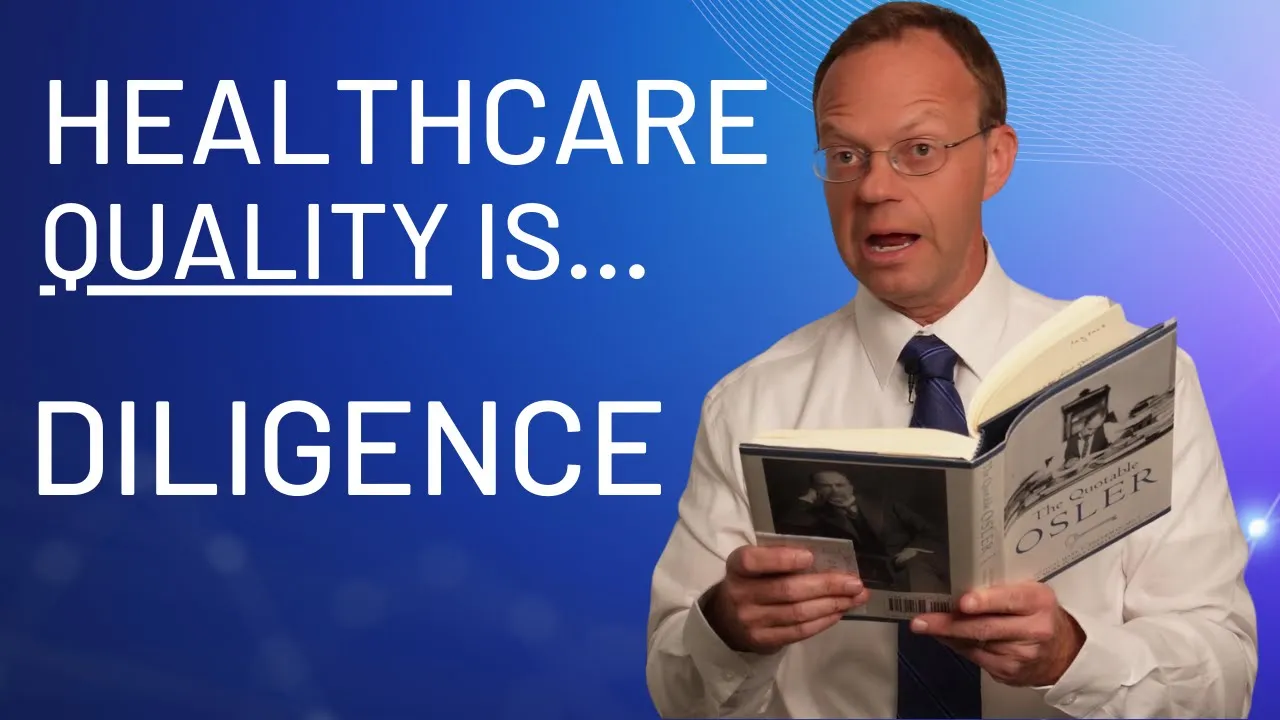
Healthcare Quality is Diligence, Thoroughness and Attention to Detail... Learn How to Find It.
AHealthcareZ - Healthcare Finance Explained
@ahealthcarez
Jan 21, 2024
This video provides an in-depth exploration of healthcare quality, defining it primarily through the lens of diligence, thoroughness, and attention to detail. Dr. Eric Bricker, the speaker, draws extensively from the wisdom of Dr. William Osler, the founding physician of the Johns Hopkins Department of Medicine over a century ago. Osler famously identified apathy, indifference, and intellectual laziness as the most dangerous shortcomings for doctors, positing that true quality stems from the complete opposite: an unwavering commitment to diligence. Bricker highlights that this philosophy fostered an "Oslerian culture" at Johns Hopkins, where diligence was a universal expectation among all healthcare professionals, contrasting this with the more "spotty" presence of diligence he observed in other healthcare settings. The presentation further delves into the critical distinction between measuring healthcare quality by outcomes versus by the process of diligence. Dr. Bricker argues that focusing solely on outcomes can incentivize "cherry-picking" easy patients and "lemon-dropping" complex or non-adherent ones, thereby distorting true quality assessment. Instead, he advocates for evaluating the diligence applied to the care process itself. This leads to a discussion on how compensation structures should be designed to promote diligence. He critiques the prevalent fee-for-service model in America for inadvertently promoting rushing and higher patient volume, which directly undermines the thoroughness required for quality care, as doctors are financially rewarded for seeing more patients in less time. To illustrate the appropriate application of diligence, Dr. Bricker introduces a 2x2 matrix that stratifies care based on clinical complexity (high or low) and required diligence (high or low). The ideal scenario is high diligence applied to high clinical complexity situations, such as major surgery, cancer, cardiovascular disease, or high-risk obstetrics. Conversely, low diligence in highly complex cases is deemed unacceptable. He also points out the inefficiency of applying high diligence to low-complexity situations (e.g., the "worried well"), as this represents an opportunity cost where highly skilled resources are not optimally utilized. The video concludes with practical advice for patients on how to identify diligent doctors, emphasizing the value of primary care physician referrals, healthcare navigation services, and personal observations of a doctor's listening skills, explanatory abilities, and adherence to basic hygiene like handwashing. Key Takeaways: * **Defining Healthcare Quality:** True healthcare quality is fundamentally rooted in diligence, thoroughness, and attention to detail, a concept championed by Dr. William Osler over a century ago. It is a commitment to the process of care, not just the outcome. * **The Foe of Apathy:** Osler identified apathy, indifference, carelessness, and intellectual laziness as the most dangerous traits in a physician, emphasizing that these undermine the very essence of quality care. * **Cultivating Diligence:** Institutions like Johns Hopkins historically fostered an "Oslerian culture" where diligence was a pervasive and expected standard among all healthcare providers, creating an environment where slacking off was culturally unacceptable. * **Process Over Outcomes:** Measuring healthcare quality solely by patient outcomes can be misleading, as it can incentivize providers to "cherry-pick" easy cases and avoid complex ones, rather than focusing on the quality of care delivered regardless of patient prognosis. * **Compensation Structure Impact:** Compensation models should be intentionally designed to promote diligence. The prevailing fee-for-service model is criticized for incentivizing rushing and high patient volume, which often compromises the thoroughness essential for quality care. * **Strategic Resource Allocation:** A 2x2 matrix framework helps match clinical complexity (high/low) with the appropriate level of diligence (high/low). High complexity situations (e.g., major surgery, cancer) demand a high degree of diligence. * **Avoiding Mismatches:** It is crucial to avoid scenarios where high clinical complexity is met with low diligence. Conversely, applying excessive diligence to low-complexity cases can be an inefficient use of valuable resources, leading to opportunity costs. * **Leveraging Primary Care Physicians:** Patients can utilize their primary care physician's referral expertise to identify diligent specialists within their local network, as PCPs often have a better understanding of other providers' quality. * **Healthcare Navigation Services:** Specialized services, such as the former Compass Professional Health Services, play a vital role in helping patients, especially those with complex diagnoses like cancer, identify highly diligent and appropriate medical providers. * **Patient Self-Assessment (The Three Don'ts):** Patients can personally assess a doctor's diligence by observing three key behaviors: whether the doctor listens well, explains things clearly and thoroughly, and washes their hands in front of the patient. * **Actionable Patient Empowerment:** If a doctor consistently fails to meet these "three don'ts" (poor listening, inadequate explanation, lack of handwashing), patients are advised to "vote with their feet" and seek care from another provider who demonstrates greater diligence. * **Systemic Importance of Diligence:** The concept of diligence extends beyond individual practitioners to the entire healthcare system, influencing how resources are allocated and how quality standards are maintained across various departments and roles. Tools/Resources Mentioned: * **"The Quotable Osler":** A book compiling quotes from Dr. William Osler, foundational physician at Johns Hopkins. * **Compass Professional Health Services:** A healthcare navigation service (mentioned as a past employer) that focused on identifying highly diligent physicians for members. * **AHealthcareZ video on "Mismatch Between Disease Complexity and Physician Skill":** Another video by Dr. Bricker that delves deeper into the appropriate matching of provider expertise with patient needs. * **"16 Lessons in the Business of Healing":** Dr. Eric Bricker's book. Key Concepts: * **Diligence in Healthcare:** Defined as thoroughness, attention to detail, and a complete lack of apathy, serving as the cornerstone of high-quality medical service. * **Oslerian Culture:** A pervasive organizational culture, exemplified by Johns Hopkins, where diligence is a universal expectation and standard for all healthcare professionals. * **Fee-for-Service:** A common healthcare compensation model where providers are paid for each service rendered, criticized in the video for potentially incentivizing volume over the diligence required for quality. * **2x2 Matrix for Clinical Complexity and Diligence:** A framework used to visualize and strategize the appropriate allocation of diligence based on the seriousness and complexity of a patient's medical condition. * **Healthcare Navigation:** Services designed to guide patients through the healthcare system, helping them identify and access appropriate, high-quality providers for their specific needs. * **The "Three Don'ts":** Practical, patient-observable indicators (doctor not listening, not explaining well, not washing hands) that suggest a lack of diligence in a healthcare provider.
Veeva RIM's Potential: Exploring the Affiliate Home Tab and Product Object Features
Anitech Talk
/@AnitechTalk
Jan 21, 2024
This video provides an introductory overview of two fundamental features within Veeva RIM (Regulatory Information Management) Registrations Vaults: the Affiliate Home tab and the Product object. The presenter aims to demystify these core components, which are crucial for managing country-specific regulatory data and product information within the pharmaceutical and life sciences sectors. The session is structured to explain how these features streamline workflows and enhance data accessibility for users involved in regulatory affairs. The discussion begins with the Affiliate Home tab, highlighting its purpose as a centralized hub for affiliate users. This tab, typically visible alongside the main Home tab, is designed to offer a comprehensive view of country and product family data on a single interactive page. It consolidates essential information such as activities, registrations, and regulatory objectives, thereby eliminating the need for users to navigate through multiple sections within the Veeva Vault. The speaker emphasizes that this feature significantly boosts productivity by allowing users to visualize market data and manage pending tasks efficiently from one location. Access to and available actions within the Affiliate Home tab are dependent on the specific Vault configuration and user permissions, with affiliate users being the primary beneficiaries, though global submission planners and business administrators can also access it. Following the explanation of the Affiliate Home tab, the video transitions to the concept of managing products within Veeva RIM. The presenter clarifies that "Product" is not merely a picklist but a distinct object within the Veeva system. This Product object is primarily managed from the business administration section by users with appropriate permissions. The video then details how users can access product records, typically by navigating through the business admin menu to "Object" and then "Product." However, it also notes that in certain Vault configurations, custom object tabs can extend access beyond the business admin, allowing users to access product records directly from their Home tab. This customization capability, coupled with appropriate permissions, enables users to seamlessly create, modify, and remove product records, underscoring the flexibility and control offered by Veeva RIM for managing critical product-related regulatory information. Key Takeaways: * **Veeva RIM Registrations Vaults Focus:** The video specifically targets features within Veeva RIM Registrations Vaults, a critical component for regulatory information management in the life sciences industry. Understanding these features is essential for optimizing regulatory workflows and ensuring compliance. * **Affiliate Home Tab as a Centralized Hub:** The Affiliate Home tab serves as a single, interactive page designed to provide a comprehensive view of country-specific and product family data. This centralization helps affiliate users manage their tasks and access critical information without extensive navigation. * **Streamlined Workflow and Productivity:** By consolidating activities, registrations, and regulatory objectives onto one page, the Affiliate Home tab significantly simplifies the user workflow, allowing for efficient visualization of market data and management of outstanding tasks, thereby enhancing user productivity. * **Configurability and Access Control:** Access to the Affiliate Home tab and the actions available within it are highly dependent on the specific Veeva Vault configuration and the user's assigned permissions. While primarily for affiliate users, other roles like Global Submission Planners and Business Administrators can also utilize it. * **Product as a Distinct Object:** Within Veeva RIM, "Product" is treated as a dedicated object rather than a simple picklist. This distinction is crucial for robust data management and allows for more complex data structures and relationships related to pharmaceutical products. * **Management via Business Administration:** The Product object is primarily managed from the business administration section of Veeva Vault. Users with appropriate administrative permissions are responsible for its setup and ongoing maintenance. * **Flexible Product Record Access:** While typically accessed through the business admin menu, product records can also be made accessible via custom object tabs directly from a user's Home tab. This customization provides greater convenience and tailored access for different user roles. * **Permission-Based Record Management:** Users with the correct permissions can seamlessly create, modify, and remove product records directly from custom tabs, highlighting the granular control and flexibility offered by Veeva RIM for managing product data. * **Importance of Foundational RIM Concepts:** The presenter encourages viewers to understand basic Veeva RIM concepts like "registration" and "submission," emphasizing that these foundational elements are crucial for effectively utilizing advanced features like the Affiliate Home tab and Product object. * **Future Feature Insights:** The video hints at upcoming discussions on "archiving" and "publishing" features within Veeva RIM, indicating a broader series aimed at covering comprehensive regulatory management functionalities. Tools/Resources Mentioned: * Veeva RIM (Regulatory Information Management) * Veeva RIM Registrations Vaults * Veeva Vault Key Concepts: * **Regulatory Information Management (RIM):** A system or process for managing all information related to the regulatory approval and maintenance of products in the life sciences industry. * **Veeva RIM Registrations Vaults:** A specific module within the Veeva Vault platform designed to manage product registrations and other regulatory submissions globally. * **Affiliate Home Tab:** A customizable dashboard within Veeva RIM Registrations Vaults that provides a centralized view of country-specific data, activities, registrations, and regulatory objectives for affiliate users. * **Product Object:** A core data entity within Veeva RIM that represents a pharmaceutical or life sciences product, allowing for the structured management of its associated regulatory information. * **Registration:** The process of obtaining official approval from regulatory authorities for a product to be marketed and sold in a specific country or region. * **Submission:** The act of formally presenting regulatory documents and data to health authorities for review and approval.
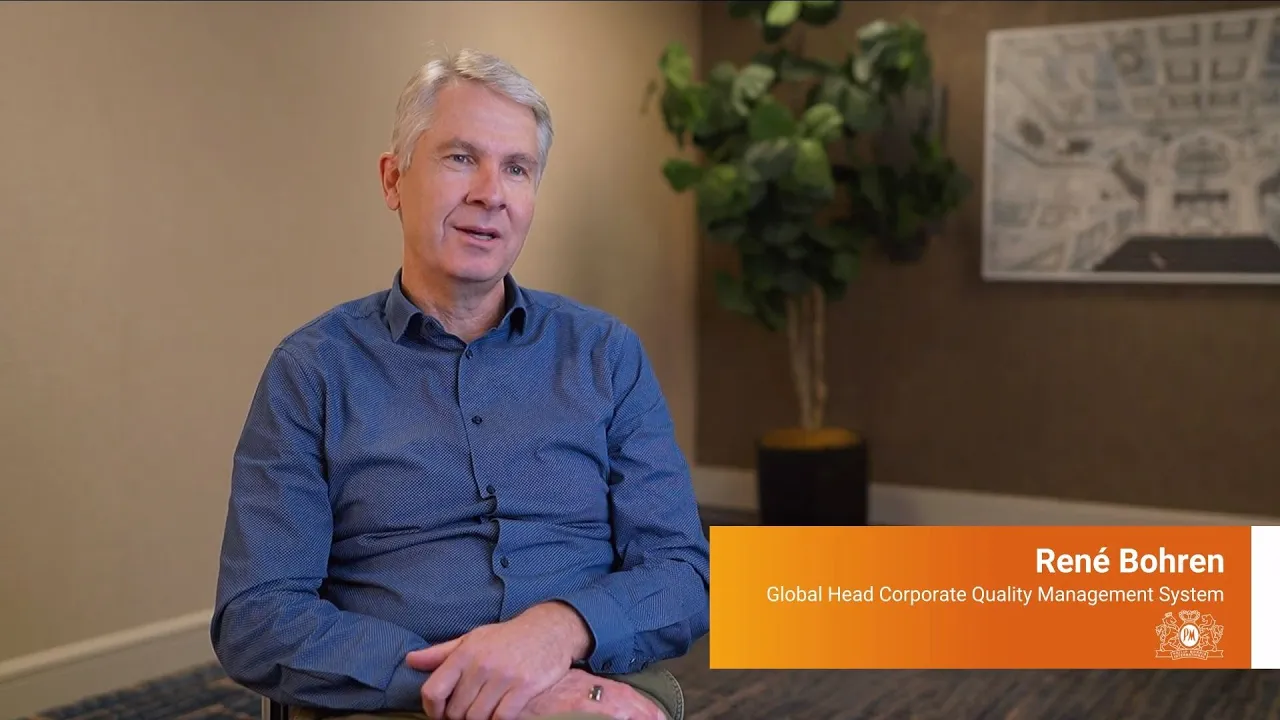
PMI + Veeva — Empowering Business Transformation through Quality
Veeva QualityOne
/@veevaqualityone
Jan 19, 2024
This video provides an in-depth exploration of how Philip Morris International (PMI) fundamentally transformed its Quality Management System (QMS) using Veeva, shifting its function from a perceived bureaucratic hindrance to a strategic business enabler. René Bohren, Global Head of Corporate Quality Management System at PMI, details the necessity of this overhaul to support the company’s massive strategic pivot toward a smoke-free future. The core challenge was executing this transformation with speed, agility, and at scale, requiring a complete rethinking of both the QMS content and the underlying IT infrastructure. The transformation strategy was built on two pillars: improving the QMS processes themselves and modernizing the IT solutions supporting them. A key success factor was embedding a continuous improvement mindset throughout the organization, facilitated by selecting Veeva as a strategic partner. Crucially, PMI established a robust, cross-functional team where both the Quality and IT departments shared ownership and jointly drove the roadmap and execution for the platform's evolution. This close collaboration ensured that the technology implementation was aligned with regulatory and operational needs. The immediate operational benefits of this unified approach include the consolidation of numerous processes onto a single, globally accessible eQMS platform. This unification spanned diverse business areas and product categories, achieving standardization while retaining necessary flexibility where required. This consolidation resulted in a "win-win" scenario: streamlined operations and increased satisfaction among end-users. The speaker emphasizes that true transformation requires not only a change in the Quality organization's internal thinking but also the successful distribution of quality ownership across every function within the enterprise. Looking forward, PMI is focused on maximizing the value of the single platform by leveraging its data potential. The future roadmap centers on optimizing metadata, establishing robust system connectors, and utilizing data engineering capabilities to transform quality data into meaningful, actionable business insights. This strategic focus on data highlights the increasing importance of business intelligence and data integration within modern, regulated quality environments, aligning the QMS directly with commercial and operational decision-making. Key Takeaways: * **Strategic QMS Positioning:** Organizations must actively reposition their Quality Management System (QMS) from a compliance necessity or operational "hindrance" to a powerful business "enabler" that drives strategic transformation and accelerates core business objectives. * **Integrated IT/Quality Governance:** Successful enterprise platform implementation, particularly for regulated systems like eQMS, requires a mandatory, strong cross-functional team where IT and Quality departments co-own the platform roadmap, execution, and continuous evolution. * **Dual Focus on Content and Technology:** QMS transformation is not purely a technology upgrade; it requires simultaneous improvement of the underlying QMS content (processes and procedures) alongside the implementation of modern IT solutions (eQMS) to support them. * **Continuous Improvement as Culture:** Embedding a continuous improvement mindset is essential for long-term success. The eQMS platform must be flexible enough to support ongoing process evolution and adaptation rather than serving as a static system. * **Platform Consolidation Benefits:** Utilizing a single, unified platform (such as Veeva QualityOne) allows for the consolidation of disparate processes across various product categories and business units, significantly improving operational efficiency and reducing system complexity. * **Balancing Global Standardization with Local Flexibility:** While unification is key, the platform must be configured to maintain necessary flexibility to address specific regional, product, or regulatory requirements, ensuring high user adoption and compliance across the global organization. * **Distributed Ownership of Quality:** True quality transformation is achieved when the responsibility and ownership of quality are successfully decentralized and adopted by every functional area within the organization, moving beyond the centralized Quality department. * **Data Strategy for Quality Insights:** The long-term value of an eQMS is realized through its data capabilities. Future efforts must prioritize data engineering, focusing on optimizing metadata and building robust connectors to integrate quality data with other enterprise systems for actionable business intelligence. * **Veeva as a Transformation Partner:** The selection of Veeva is highlighted as critical, underscoring the need for regulated companies to partner with vendors who can support large-scale, agile transformation and provide a platform designed for continuous evolution. Tools/Resources Mentioned: * Veeva (Implied to be Veeva QualityOne) Key Concepts: * **eQMS (Electronic Quality Management System):** A digital platform used to manage and automate all quality-related processes (e.g., document control, training, audits, deviations), essential for maintaining regulatory compliance (GxP, 21 CFR Part 11). * **Metadata and Connectors:** Strategic data components. Metadata refers to the structural data that defines and organizes quality records, while connectors are the integration points used to link the eQMS with other core enterprise systems (e.g., ERP, LIMS, CRM) to facilitate comprehensive data analysis. * **Quality Culture:** The organizational attitude and commitment to quality, which the speaker notes must be actively built and supported by the quality organization to ensure the success of the QMS. Examples/Case Studies: * **Philip Morris International (PMI) Transformation:** The case study focuses on PMI's massive business transition toward smoke-free products, which necessitated a complete, rapid, and scalable overhaul of their QMS to manage new regulatory and operational complexities.

Generation Veeva - Analytics Development Program
Generation Veeva
/@GenerationVeeva
Jan 18, 2024
This video provides an insightful look into Veeva's Analytics Development Program (ADP) through the experiences of its participants. The primary purpose is to showcase the program's value in fostering early career professionals in health analytics within the life sciences industry, highlighting the rapid skill acquisition, supportive environment, and career growth opportunities it offers. The speakers, all current or former ADP members, share their personal journeys, emphasizing how the program equipped them with both technical and soft skills essential for success in an analyst role at Veeva. The narrative progresses from a general appreciation for structured development programs to specific attributes of Veeva's ADP. Key themes include the power of mentorship, the benefits of peer collaboration, and a "learn by doing" approach that grants significant responsibility early on. Participants consistently praise the program's ability to build confidence and provide a structured yet flexible environment for growth. A recurring point is the intentionality behind forming diverse cohorts, which fosters a strong sense of community and mutual support, extending beyond professional interactions into personal friendships. The video delves into the specific skills gained, which are highly relevant to data-driven roles in the life sciences. Technical proficiencies mentioned include SQL, data visualization, and various software tools for data analysis. Equally emphasized are critical soft skills such as critical thinking, effective presentation, project management, communication, and time management. A crucial aspect highlighted is the ability to translate complex analytical findings into easily digestible insights for external clients, regardless of their technical background. The speakers also touch upon Veeva's core values—doing the right thing, customer success, employee success, and speed—and how these values are genuinely embodied by employees, influencing their decision to join and stay with the company. The video concludes with practical advice for prospective candidates on how to approach the interview process, focusing on self-awareness and aligning personal values with Veeva's mission. Key Takeaways: * **Accelerated Skill Development:** Development programs like Veeva's ADP offer a structured pathway for early career professionals to rapidly acquire both technical and soft skills, enabling them to quickly become proficient and confident in an analyst role within the life sciences sector. * **Importance of Mentorship and Peer Learning:** A significant benefit highlighted is the access to mentorship and the opportunity to collaborate with and learn from peers who are undergoing similar professional development, fostering a supportive and engaging learning environment. * **"Learn by Doing" Methodology:** The program emphasizes practical application, providing participants with a fair amount of responsibility and real-world work, which is crucial for solidifying theoretical knowledge and developing practical problem-solving abilities. * **Veeva's Core Values in Practice:** Veeva's core values—doing the right thing, customer success, employee success, and speed—are not just corporate statements but are actively embodied by employees, creating a positive and ethical work culture that resonates deeply with new hires. * **Essential Technical Skills:** Participants gain proficiency in critical data analytics tools and techniques, including SQL for data querying, data visualization for presenting insights, and various other software essential for health analytics within the life sciences. * **Cultivation of Soft Skills:** Beyond technical expertise, the program hones vital soft skills such as critical thinking, effective presentation, project management, communication, and time management, which are indispensable for professional success and client interaction. * **Data Storytelling and Client Communication:** A key skill developed is the ability to understand and analyze complex data, then communicate those findings to external clients in an easy-to-ingest manner, even if clients lack a technical background, underscoring the importance of data storytelling. * **Opportunities for Innovation:** Even early in their careers, program participants are given opportunities to contribute to new product innovations, demonstrating a culture that values fresh perspectives and empowers new hires to make an impact. * **Intentional Cohort Building:** The deliberate formation of ADP cohorts ensures a great team dynamic and fosters strong professional and personal relationships among participants, contributing to a comfortable and fun work environment. * **Strategic Interview Preparation:** Candidates are advised to know themselves, identify how their experiences, skills, and interests align with the role, and articulate their "why Veeva" story, demonstrating how their personal mission and values resonate with the company's. * **Continuous Learning Culture:** The video implies a long-term learning culture at Veeva, with one speaker noting they are "still constantly learning today even a decade later," suggesting that professional development extends far beyond the initial program. **Key Concepts:** * **Analytics Development Program (ADP):** A structured early career program designed to train professionals in health analytics, focusing on skill development, mentorship, and practical experience within the life sciences industry. * **Veeva's Core Values:** Principles that guide Veeva's operations and employee conduct, including "doing the right thing," "customer success," "employee success," and "speed," which are emphasized as integral to the company culture. * **"Learn by Doing":** An experiential learning approach where individuals gain knowledge and skills through direct engagement with tasks and responsibilities, rather than solely through theoretical instruction. * **Data Storytelling:** The art of communicating complex data insights in an engaging and understandable narrative format, making it accessible and actionable for diverse audiences, including non-technical stakeholders.

Note to File Live - Brett Kleger, Datacubed Health
Note to File: A Clinical Research Podcast
/@notetofilepodcast
Jan 9, 2024
This episode of the "Note to File Live" podcast features a discussion with Brett Kleger, CEO of Datacubed Health, focusing on the realities, challenges, and marketing misinformation surrounding Decentralized Clinical Trials (DCTs), particularly concerning eCOA (Electronic Clinical Outcome Assessment) and ePRO (Electronic Patient-Reported Outcome) technologies. The core objective of the conversation is to cut through industry jargon and re-center the discussion on the fundamental 'why' behind DCT adoption: providing options for patients and sites, and safely collecting reliable endpoint data. The speakers, including host Brad Fox, express frustration with the ill-defined and often over-marketed nature of the term "DCT," which has led to confusion and sometimes unrealistic expectations across the clinical research ecosystem. The conversation establishes that the impetus for DCT adoption was twofold: first, the desire to improve the patient experience by offering convenient options (e.g., tele-visits, remote data collection) regardless of location or socioeconomic status; and second, the necessity of safely collecting trial endpoints. The speakers trace the history of DCTs from early, unsuccessful "virtual trials" (circa 2006-2008) to the mass forced adoption during the COVID-19 pandemic, which normalized the use of decentralized components. A key realization post-COVID was that trials do not need to be fully decentralized; rather, they can incorporate components—a concept the guest hopes will eventually replace the term "DCT" entirely, making it simply "various options" for conducting a study. A major point of friction discussed is the role of the site, with the consensus being that the site (specifically the Principal Investigator, or PI) must retain the final choice and liability regarding the utilization of DCT components, even if the technology is provided by the sponsor. A significant portion of the analysis centers on the problem of industry nomenclature and marketing jargon. Terms like "DCT," "patient centricity," and "AI" are often used loosely, driven by investor interest or strategic initiatives, rather than precise definitions. This imprecision creates friction, especially when dealing with regulated activities. The speakers highlight the critical issue of liability: if a third-party DCT vendor commits "malpractice" (e.g., data collection error), the site is ultimately responsible for filing the deviation with the IRB, managing the audit, and bearing the legal burden. This contractual and regulatory reality underscores why sites need optionality and a strong voice in vendor selection. The guest suggests that vendors should focus less on buzzwords and more on marketing "optionality"—providing safe, compliant choices for patients and sites that minimize burden and integrate seamlessly, ideally working so well that the site staff barely notices their presence. The ultimate goal for technology vendors should be to remove burden, not add another complex system to the site’s already heavy workload. Key Takeaways: • **Re-focus on the 'Why' of DCTs:** The primary drivers for decentralized components are enhancing patient optionality (making trials accessible regardless of location or circumstance) and ensuring the safe, compliant collection of primary endpoint data. Technology providers must not lose sight of these core objectives. • **Optionality Over Standardization:** While standardization is important for data integrity, sites need optionality in choosing technology solutions (e.g., eConsent, tele-medicine platforms) that integrate with their existing workflows and Sops, rather than being forced to adopt sponsor-mandated tools that increase burden. • **The Site Bears the Liability:** Despite sponsors procuring DCT technology, the site (PI) remains legally liable for deviations, IRB filings, and audit responses resulting from vendor errors or technology failures. This regulatory reality necessitates that sites have the final say on which components are utilized. • **Marketing Jargon Creates Friction:** Overuse of imprecise buzzwords (DCT, AI, patient centricity) driven by investor or corporate strategy confuses the industry and obscures the practical application of the technology. Vendors should market solutions based on tangible benefits like reduced burden and safe optionality. • **The PI Retains Final Discretion:** Although the sponsor defines the protocol (which must allow for DCT-capable visits), the discretion to utilize those decentralized components (e.g., tele-visits, specific eCOA devices) rests with the Principal Investigator (PI) at the site level. • **Vendor Engagement with Sites is Crucial:** Technology vendors should actively seek feedback from site staff (the end-users) outside of specific trials. This engagement should be framed as a community relationship, not a transactional extraction of ideas, to ensure solutions genuinely reduce site burden. • **Avoid Adding Site Burden:** A critical pitfall for DCT providers is reducing patient burden only to increase site burden (e.g., complex training, multiple logins). The ideal technology is one that is so seamless and reliable that the site staff barely notices it's there. • **Future of Site Selection:** As site networks mature and adopt ISO compliance and rigorous vendor approval systems, sponsors may increasingly select sites based on their proven technology stacks and Sops, forcing sponsors to adapt protocols to the site environment rather than the reverse. • **Data Standardization is Key to Optionality:** For sites to choose their own eCOA/ePRO vendors, the industry must achieve robust data standards, ensuring that data collected via different systems can be reported back to the sponsor in a uniform, compliant format. Key Concepts: * **Decentralized Clinical Trials (DCTs):** The use of technology and processes to conduct trial activities outside of traditional site settings, ranging from fully virtual to hybrid models. * **eCOA/ePRO:** Electronic Clinical Outcome Assessment and Electronic Patient-Reported Outcome. Digital systems used to collect patient data and clinical outcomes directly from patients or clinicians, often via mobile devices. * **Optionality:** The concept that patients and sites should be offered choices in how they participate in or manage a trial, allowing for flexibility and improved convenience, rather than being forced into a single methodology. * **Site Liability:** The legal and regulatory responsibility held by the clinical trial site and the Principal Investigator for the conduct of the trial, including data integrity and managing deviations, even when using third-party vendor technology.

UnitedHealth Group is a $497B Giant... Larger Than Its 5 Closest Competitors Combined
AHealthcareZ - Healthcare Finance Explained
@ahealthcarez
Jan 7, 2024
This video provides an in-depth exploration of UnitedHealth Group's unprecedented market dominance, analyzing the strategic and leadership factors that have propelled it to become a nearly half-trillion-dollar entity, dwarfing its closest competitors. Dr. Eric Bricker, the speaker, attributes this gargantuan size primarily to the leadership of Stephen Hemsley and the business model innovation of Optum. The presentation establishes the sheer scale of UnitedHealth Group by comparing its $497 billion market capitalization to the combined $46 billion of its five closest competitors (Elevance, CVS, Cigna, Humana, and Centene), setting the stage for an inquiry into the "why" behind this disparity. The core of the analysis focuses on Stephen Hemsley, who served as UnitedHealth Group's CEO from 2006 to 2017 and remains its Chairman of the Board. Dr. Bricker details Hemsley's career trajectory, noting his background as CFO of Arthur Andersen for 23 years before joining UnitedHealth Group as COO in 1998. This accounting background is posited as foundational to Hemsley's meticulous approach. The video then dissects Hemsley's personal characteristics observed in a 2013 speech: a meticulous appearance, an encyclopedic knowledge of business metrics without relying on notes, precise diction indicative of methodical thinking, and a flat, dispassionate affect. These traits, Dr. Bricker argues, align Hemsley with other highly successful, "hyper-rational" leaders like Bill Gates, Jeff Bezos, Mark Zuckerberg, and Elon Musk, who often lack overt empathy but possess immense drive. A pivotal strategic move under Hemsley's leadership was the creation of Optum in 2011. This business model innovation allowed UnitedHealth Group to operate on both the demand and supply sides of healthcare, ensuring growth regardless of market fluctuations. Dr. Bricker emphasizes that while business model innovation is crucial, it must be coupled with "relentless execution." He posits that Hemsley embodies this relentlessness at the highest level, fostering a culture of relentless pursuit of goals throughout the organization, superior to that of its competitors. This combination of innovative strategy and relentless execution is presented as the primary driver of UnitedHealth Group's unparalleled success. The video concludes with a cautionary note, drawing an analogy to sharks: while their relentlessness makes them successful predators, it also gives them a bad reputation and makes them targets, raising questions about UnitedHealth Group's future trajectory. Key Takeaways: * **Unprecedented Market Dominance:** UnitedHealth Group's market capitalization ($497 billion) significantly surpasses the combined value of its five closest competitors ($46 billion), highlighting a unique level of consolidation and influence within the healthcare sector. * **Pivotal Role of Leadership:** The video strongly attributes UnitedHealth Group's success to the strategic vision and personal characteristics of its long-standing leader, Stephen Hemsley, emphasizing the profound impact of top-tier leadership on organizational outcomes. * **Strategic Business Model Innovation (Optum):** The creation of Optum in 2011 was a critical business model innovation, enabling UnitedHealth Group to participate in both the demand (insurance) and supply (health services, PBM, technology) sides of healthcare, creating a resilient and diversified revenue stream. * **"Hyper-Rational" Leadership Archetype:** Leaders like Stephen Hemsley, characterized by meticulousness, deep analytical knowledge, precise communication, and a dispassionate approach, are identified as a common archetype among founders and drivers of highly successful, large organizations. * **Culture of Relentless Execution:** Beyond strategic innovation, the video stresses the necessity of "relentless execution," arguing that Hemsley's personal relentlessness permeated UnitedHealth Group's culture, driving superior performance compared to its competitors. * **Impact of Background on Leadership Style:** Hemsley's 23-year tenure as CFO of Arthur Andersen is suggested to have instilled a meticulous, detail-oriented, and data-driven approach that significantly influenced his leadership style at UnitedHealth Group. * **Strategic Implications for the Healthcare Ecosystem:** Understanding UnitedHealth Group's dual-sided business model (demand and supply) is crucial for other players in the pharmaceutical and life sciences industries, as Optum's services (e.g., PBMs, technology solutions) directly impact their operations and market access. * **Strength as a Potential Weakness:** The video offers a cautionary perspective, suggesting that an organization's greatest strength, such as relentless pursuit of growth, can also become its greatest weakness, potentially leading to negative perceptions or increased scrutiny, as illustrated by the shark analogy. * **Importance of Deep Industry Knowledge:** Hemsley's ability to recall detailed performance metrics without notes underscores the value of leaders possessing an intimate, granular understanding of their business operations, rather than relying solely on high-level overviews. * **Leadership Traits and Organizational Culture:** The analysis highlights a direct link between the personal traits of a leader (e.g., precision, methodical thinking, relentlessness) and the pervasive culture of the organization they lead, demonstrating how individual characteristics can shape collective behavior and performance. Key Concepts: * **Market Capitalization:** The total value of a company's outstanding shares, used to measure its size. * **Business Model Innovation:** A change in how a company creates, delivers, and captures value, exemplified by Optum's dual demand/supply side approach. * **Hyper-Rationality:** A cognitive style characterized by extreme logic and reason, often accompanied by a lack of overt emotional expression. * **Flat Affect:** A severe reduction in emotional expressiveness, often observed in highly analytical or dispassionate individuals. * **Relentlessness:** Persistent and unwavering determination, identified as a key driver of organizational success. * **Demand and Supply Sides of Healthcare:** Refers to entities providing healthcare services/products (supply) and those consuming/paying for them (demand), with UnitedHealth Group uniquely positioned across both. Examples/Case Studies: * **UnitedHealth Group and Optum:** The primary case study, illustrating how strategic leadership and business model innovation can lead to unparalleled market dominance in the healthcare sector. * **Stephen Hemsley:** His career trajectory from Arthur Andersen CFO to UnitedHealth Group CEO and Chairman serves as a detailed example of a leader shaping a colossal enterprise. * **Comparison to Tech Giants:** Bill Gates (Microsoft), Jeff Bezos (Amazon), Mark Zuckerberg (Meta), and Elon Musk (Tesla/SpaceX) are cited as examples of "hyper-rational" and relentless leaders whose personal traits drove the success of their respective organizations, drawing a parallel to Hemsley.

Veeva Vault General Release 23R3 || Explained Document Features
Anitech Talk
/@AnitechTalk
Jan 3, 2024
This video provides an in-depth explanation of the document-related features introduced in the Veeva Vault 23R3 General Release. The presenter, speaking to Veeva Vault users, software enthusiasts, and those interested in tech developments, meticulously breaks down several key enhancements designed to improve document management, workflow efficiency, security, and user experience within the Veeva Vault platform. The core focus is on how these updates streamline operations, particularly in regulated environments like clinical and regulatory information management (RIM), by automating previously manual steps and providing more granular control over document processes. The presentation systematically covers a range of updates, starting with workflow automation for collaborative authoring sessions, which allows administrators to automatically initiate or conclude collaborative editing in Microsoft Office documents directly from workflow actions or entry actions. This addresses a common pain point of manual check-in/check-out processes. Following this, the video details improvements to the document viewer, such as a new right-click context menu for copying text, searching, and creating annotations, enhancing user interaction. Performance improvements are also highlighted, specifically a 70% increase in speed for rendering merge fields and bookmarks from Microsoft Word documents. Further into the release features, the video delves into critical enhancements for security and data integrity. Atomic security for Expected Document List (EDL) item actions is introduced, offering more refined control over specific actions within an EDL's lifecycle state, crucial for clinical and RIM users. This includes managing placeholders, generating documents from templates, uploading, matching, and for RIM, locking/unlocking or excluding/including documents. The intelligent document update feature is also discussed, ensuring that Vault only updates documents when actual changes are made, thereby minimizing unnecessary audit trail entries and promoting cleaner data. Other features covered include enhancements to updating the last match date on EDLs, flexible "send as link" version binding options (latest steady state, latest, or specific versions), improved document title display in binder compact view, and the ability for administrators to download previews of basic signature page templates without needing to apply an e-signature. Key Takeaways: * **Automated Collaborative Authoring Workflows:** The 23R3 release enables administrators to configure workflow action steps and entry actions to automatically initiate or conclude collaborative authoring sessions in Microsoft Office. This eliminates manual steps like check-out/check-in, significantly improving the smooth user experience and efficiency for teams working on shared documents. * **Enhanced Document Viewer Functionality:** Users now benefit from an improved document viewer context menu, accessible via right-click. This menu provides quick access to actions such as copying text, searching the glossary, and creating annotations directly within the document viewer, streamlining review and interaction. * **Significant Performance Boost for Document Rendering:** The update delivers a 70% faster rendering speed for merge fields and bookmarks within Microsoft Word documents. This improvement in processing tokens and bookmarks enhances productivity, especially for users frequently working with complex documents containing many dynamic fields. * **Granular Atomic Security for EDL Actions:** Veeva has introduced atomic security for Expected Document List (EDL) item actions, providing more precise control over specific operations within the EDL lifecycle. This is particularly beneficial for clinical and RIM users, allowing for fine-grained management of actions like creating placeholders, generating documents from templates, uploading, matching, and for RIM, removing, locking, or unlocking document versions. * **Optimized EDL Last Match Date Updates:** The system now intelligently updates the "last match date" field on EDLs only when a matching job actually results in matching or unmatching a document. This enhancement minimizes the number of audit entries logged, leading to cleaner audit trails and better data management. * **Flexible Document Link Sharing with Version Binding:** Users can now choose from three version binding options when sending a document link: "latest steady state version" (default for approved/effective documents), "latest version" (regardless of state), or "specific version." This flexibility ensures recipients access the appropriate document version, enhancing control and communication. * **Improved Document Visibility in Binder Compact View:** The binder compact view now displays the document title alongside the document name and number. This added visibility aligns the presentation with the library's detailed view, improving the overall document viewing experience and making it easier to identify documents within binders. * **Pre-downloadable Basic Signature Page Templates:** Administrators gain the capability to download previews of basic signature page templates. This feature streamlines the evaluation of template changes, allowing admins to review and confirm modifications without the need to apply a new e-signature to a test document, saving time and effort. * **Intelligent Document Update for Audit Trail Efficiency:** Veeva Vault 23R3 ensures that documents are only updated when actual changes are made, preventing the system from updating the "last modified date" and generating unnecessary audit trail entries when a document is saved without modification. This is crucial for data cleanup and reducing excess audited entries, especially for integrations or custom SDK code. * **Enhanced Regulatory Compliance and Auditability:** Features like atomic security for EDLs, optimized last match date updates, and intelligent document updates directly contribute to better regulatory compliance. They provide more robust control, reduce unnecessary audit trail clutter, and ensure that document management processes adhere to stringent industry standards like GxP and 21 CFR Part 11. **Tools/Resources Mentioned:** * Veeva Vault (specifically 23R3 General Release) * Microsoft Office Word (for collaborative authoring) * Official Veeva Vault 23R3 release notes (link provided in description) **Key Concepts:** * **Collaborative Authoring:** The ability for multiple users to work simultaneously on a single document, typically in Microsoft Office applications, integrated with Veeva Vault. * **Document Viewer Context Menu:** A right-click menu within the Veeva Vault document viewer that provides quick access to common actions like copying text, searching, and annotating. * **Merge Fields and Bookmarks:** Dynamic placeholders within Microsoft Word documents that can be populated with data from Veeva Vault, often used for generating standardized documents. * **Atomic Security:** A granular security control mechanism that allows for specific actions on document items (e.g., within an EDL) to be controlled based on user roles and lifecycle states. * **Expected Document List (EDL):** A feature in Veeva Vault (especially in Clinical Vault) used to track and manage anticipated documents for a study or project, ensuring all required documents are collected. * **RIM (Regulatory Information Management):** A suite of Veeva products focused on managing regulatory submissions, product registrations, and other regulatory content. * **Version Binding:** A feature that allows users to specify which version of a document (e.g., latest steady state, latest, or a specific version) a shared link will point to. * **Steady State Version:** Refers to a major, approved, or effective version of a document within Veeva Vault, typically representing a finalized and controlled state. * **Binder Compact View:** A display option within Veeva Vault binders that provides a more condensed view of documents, now enhanced to include document titles. * **Basic Signature Page Template:** A template used in Veeva Vault for generating electronic signature pages, which can now be previewed by administrators. * **Intelligent Document Update:** A system behavior where Veeva Vault only records a document modification and updates its "last modified date" when actual content changes occur, preventing unnecessary audit trail entries from simple saves without modification.
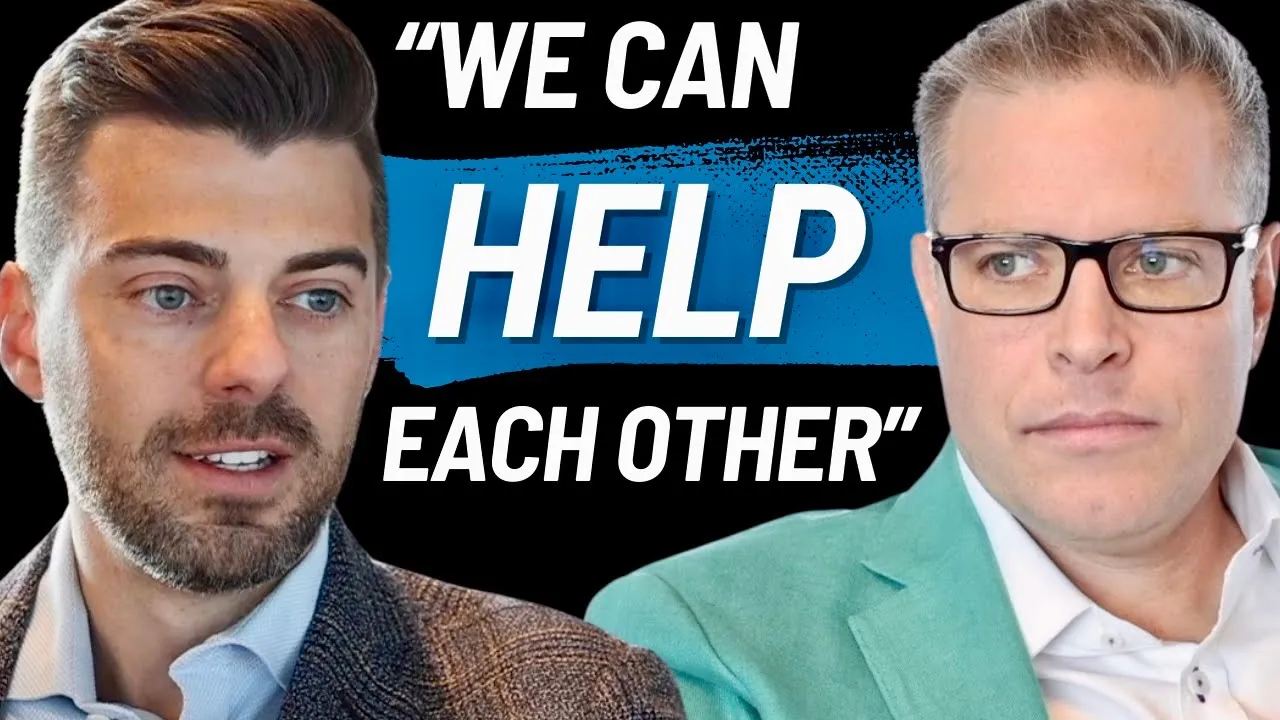
Medical Expense Relief That Changes Lives (with Brett Morris) | Episode 125
Self-Funded
@SelfFunded
Jan 2, 2024
This video provides an in-depth exploration of the Samaritan Fund Program and Foundation, a unique solution developed by Brett Morris to address the financial devastation caused by high-cost medical diagnoses and claims for employees and self-funded employers. The core mission of the program is to alleviate financial anxiety—which the speaker notes has a physical effect on the body—allowing individuals to focus on healing. The discussion establishes the context of the current healthcare crisis, where high deductibles and out-of-pocket maximums, often coupled with expensive prescription drugs, lead to medical debt and bankruptcy for insured Americans. The Samaritan Fund acts as a compliant bridge connecting philanthropic foundations (Samaritans) with employees in need, thereby mitigating catastrophic financial risk for the employer's self-funded plan. The mechanism relies heavily on strict compliance to avoid legal pitfalls like discrimination or rebating. The key structural element is that funding provided to the employee must come from independent third-party Samaritan sponsors, not directly from the employer, to avoid incentivizing the employee to leave the group plan. The employer's role is limited to advertising the program to all employees, ensuring universal access, though not all may qualify. Once an employee applies privately, the Samaritan Fund Foundation works to secure funding—often through a debit card system to cut through the red tape of traditional grant applications—to cover the individual’s cost-share (deductibles, out-of-pocket maximums) or find alternative coverage if the employer’s plan has carved out necessary high-cost drugs. This arrangement creates a win-win: the employee receives zero out-of-pocket costs, and the employer's plan saves potentially millions by removing a high-cost claim, often resulting in lower stop-loss premiums or enabling the company to remain self-funded. The conversation also delves into the broader issues plaguing the U.S. healthcare system, particularly the lack of price transparency and the arbitrary nature of network pricing. Morris argues that the current system is broken because hospitals and providers are commoditized by networks, which steer patients based on negotiated contracts rather than price or quality competition. He advocates for a fundamental shift where providers are forced to advertise transparent, consistent pricing for services (like an MRI or hip replacement), regardless of who is paying, which would dismantle the current network structure and introduce genuine market competition based on value. This perspective highlights the systemic failures that necessitate programs like the Samaritan Fund to address the resulting financial burdens on consumers. The program operates on an annual contract basis, with renewals assessed two months prior to ensure continuity of care or a smooth transition back to the group plan if the medical condition has resolved. The timing is crucial; the program aims to finalize solutions in October, prior to open enrollment, so participants can confidently waive group coverage, allowing the employer to leverage the removal of the high claim for favorable renewal negotiations. The complexity and expense of establishing the compliant funding structure—including securing legal opinions from top law firms and receiving Department of Labor blessings—is cited as the primary reason why similar solutions are not widespread, underscoring the unique value proposition of the Samaritan Fund. ### Detailed Key Takeaways * **Compliance is Paramount for High-Cost Claim Mitigation:** The Samaritan Fund's success hinges on ensuring that the funding provided to the employee comes exclusively from independent third-party philanthropic sources (Samaritans), not the employer. This structure prevents the arrangement from being classified as illegal discrimination or rebating under ERISA, which prohibits employers from incentivizing employees to leave their group health plan. * **Addressing the Anxiety of Medical Debt:** The program’s mission is centered on providing "peace of mind to heal." The speakers stress that financial anxiety often outweighs concern over the disease itself, and removing the financial burden (deductibles, co-pays, out-of-pocket maximums) allows the individual to focus entirely on their health and recovery. * **High-Cost Prescription Drugs Drive Bankruptcy:** The video highlights that high-cost prescription drugs are a major cause of personal bankruptcy and medical debt in the U.S. Even individuals with "rich" health plans (e.g., $250 out-of-pocket maximum) can be crippled if the plan carves out a necessary, expensive medication, leaving them with no viable coverage. * **The Bridge Between Philanthropy and Employee Benefits:** The Samaritan Fund acts as a crucial intermediary, connecting foundations and charities that want to help specific populations (e.g., kids with cystic fibrosis) with the employees who need assistance, solving the foundations' problem of efficiently finding and administering funds to qualified recipients. * **Strategic Timing for Open Enrollment:** For self-funded employers, the program must roll out in September and finalize solutions in October, before open enrollment. This allows the participant to confidently waive group coverage and enables the employer to present a cleaner claims history (without the high-cost claim) to stop-loss carriers for better renewal rates or to facilitate a transition from fully insured to self-funded status. * **Employer Role is Limited to Promotion:** To maintain compliance, the employer's primary role is simply to advertise the program to *all* employees, ensuring equal opportunity to apply. The employee then engages with the Samaritan Fund privately, signing their own HIPAA forms, thus protecting the employee's privacy and the employer's legal standing. * **Employee Giving Campaigns:** The foundation encourages current employees who are not in need to "be a Samaritan" by contributing small, tax-free donations (e.g., $5 per paycheck) through payroll deduction slots, fostering a culture of mutual support within the company. * **Stop-Loss Carriers Benefit from Risk Mitigation:** Stop-loss carriers view the Samaritan Fund as a risk mitigation strategy. By successfully moving a high-cost claimant off the group plan, the carrier avoids millions in reimbursement, often resulting in lower base rates or the elimination of specific claimant lasers for the employer. * **The Need for Price Transparency:** A major systemic fix proposed is mandatory price transparency, forcing providers to charge the same price to everyone regardless of the payer. This would dismantle the current network model, which currently acts as a commodity seller, and introduce true competition based on cost and quality. * **Addressing Smaller Needs Through the Foundation:** The Samaritan Fund Foundation's reach extends beyond the high-cost claims program. It can assist individuals with smaller, but still crippling, financial needs, such as sourcing a few thousand dollars for insulin for someone hitting a high deductible, even if they don't qualify for the full program. ### Key Concepts * **Samaritan Fund Program:** A compliant mechanism that provides third-party philanthropic funding to employees facing high-cost medical claims, enabling them to transition off the employer's self-funded plan, thereby mitigating the employer's risk and cost. * **Samaritan Fund Foundation (501c3):** The non-profit entity used to source, manage, and administer funds (often via a debit card system) from various donors and other foundations, ensuring the compliant separation of funds from the employer. * **Reference-Based Pricing (RBP):** An alternative payment methodology mentioned as a market-driven attempt to force transparency by basing provider payments on a multiple of Medicare costs, exposing the arbitrary nature of network pricing. * **Rebating/Discrimination:** Legal pitfalls under ERISA that the program is designed to avoid. An employer cannot directly or indirectly pay an employee to leave the group plan due to their high claims history. ### Examples/Case Studies * **High-Cost Drug Carve-Out:** A woman with a "super rich" health plan (100% employer-paid premium, $250 annual out-of-pocket maximum) could not afford her necessary medication because the employer had carved the specific high-cost drug out of the summary of benefits. She was ineligible for patient assistance programs due to her low deductible, but the Samaritan Fund helped her find alternative coverage for the drug. * **Insulin Affordability:** A participant who was rationing his insulin because he couldn't afford his $6,000 deductible was helped by the Samaritan Fund Foundation, which sourced a couple of thousand dollars to cover his cost-share, even though his case was not severe enough for the full program. * **Hospital GoFundMe:** The speaker recounts the irony of a hospital helping his mother set up a GoFundMe campaign to pay the bill for her double lung transplant, illustrating how deeply embedded the expectation of consumer fundraising is within the high-cost healthcare system.
Veeva System Case Study || Veeva System Migration Specialist Interview Case Study || Veeva Vault Que
The Corporate Guys
/@TheCorporateGuys
Dec 27, 2023
This video presents a detailed case study for a Veeva Systems Migration Specialist interview, focusing on the practical execution of data and document migration to Veeva Vault Quality. The speaker, Vaibhav Agrawal, outlines a comprehensive migration strategy, including source data analysis, mapping document types, subtypes, classifications, and associated life cycles, as well as defining metadata fields and their dependencies. A significant portion of the discussion is dedicated to managing complex document versioning, particularly how to identify and migrate main versions while preserving historical versions within the Veeva Vault structure, often targeting a "Steady State Effective or Approved" status. The presentation also covers object creation with parent-child relationships using Veeva loader sheets and the importance of structuring a technical solution as a client-facing presentation. Key Takeaways: * **Veeva Vault Migration Process:** The video details a structured approach to Veeva Vault data migration, covering source data analysis, mapping strategies for document types and metadata, CSV preparation, and systematic data loading with error rectification. * **Complex Document Versioning:** A critical insight is the method for handling document versioning in Veeva Vault, which involves identifying main versions (e.g., major version >=1, minor version = 0) for initial upload, extracting document IDs, and then using these IDs to link and preserve minor versions within the version history tree. * **Object Relationship Management:** The case study highlights the importance of correctly identifying and establishing parent-child relationships between objects (e.g., Category and Sub-category) during migration, ensuring data integrity within Veeva. * **Veeva Loader Sheets & API/VQL:** The reliance on Veeva loader sheets for bulk data and document creation/update is a core technical takeaway, with a mention of API/VQL for advanced functionalities or data retrieval. * **Client-Centric Technical Presentation:** The speaker's advice to frame a technical interview case study as a client presentation offers a valuable perspective on how to communicate complex solutions effectively, focusing on process, strategy, and outcomes. * **Industry-Specific Context:** The discussion implicitly underscores the regulatory and operational rigor required in the pharmaceutical and life sciences industries, where precise document control, versioning, and data integrity within systems like Veeva Vault Quality are paramount.

Top 5 interview questions for every clinical data management interview #CDMinterviewquestions
Global Pharma Academy
/@globalpharmaacademy
Dec 23, 2023
This video provides a concise overview of five essential interview questions related to clinical data management (CDM). The content is structured as a rapid-fire question-and-answer session, designed to prepare individuals for interviews in the pharmaceutical and healthcare sectors, particularly for roles involving clinical research and data handling. The speaker, from Global Pharma Academy, outlines fundamental definitions and concepts crucial for understanding the operational and regulatory landscape of clinical trials. The discussion begins by defining Clinical Data Management itself, positioning it as an integral component of clinical research responsible for the collection, validation, and submission of documentation from clinical trials, often to a SAS department for analysis. This sets the stage for understanding the critical role CDM plays in ensuring the integrity and reliability of clinical trial data. Following this foundational definition, the video delves into key regulatory and ethical frameworks. It addresses 21 CFR Part 11, a crucial U.S. federal regulation concerning electronic records and electronic signatures, emphasizing its role in ensuring the trustworthiness of digital documentation. This is immediately followed by an explanation of ICH GCP guidelines, highlighting their importance in establishing international ethical and scientific quality standards for designing, conducting, recording, and reporting trials that involve human subjects. The video then shifts to the practical aspects of CDM, outlining the three primary phases involved in clinical data management: setup, conduct, and close-out. This provides a structural understanding of the CDM lifecycle within a clinical trial. The final point addresses Serious Adverse Event (SAE) reconciliation, a critical process within clinical trials that involves comparing and resolving discrepancies between different sources of SAE data to ensure accuracy and completeness for patient safety and regulatory reporting. Although brief, the video touches upon core tenets of clinical data management, regulatory compliance, and patient safety, all of which are paramount in the pharmaceutical and life sciences industries. Key Takeaways: * **Clinical Data Management (CDM) Foundation:** CDM is an indispensable part of clinical research, primarily focused on collecting, validating, and preparing documentation from clinical trials for subsequent analysis, often by statistical departments utilizing tools like SAS. This function is vital for ensuring the accuracy and reliability of data used in drug development and regulatory submissions. * **Role in Data Integrity:** The core purpose of CDM is to ensure the quality, integrity, and statistical soundness of data collected during clinical trials. This involves meticulous processes to prevent errors, manage discrepancies, and maintain a robust audit trail, which is crucial for regulatory acceptance and the validity of research findings. * **21 CFR Part 11 Compliance:** This U.S. Food and Drug Administration (FDA) regulation is critical for pharmaceutical and life sciences companies, establishing criteria under which electronic records and electronic signatures are considered trustworthy, reliable, and equivalent to paper records. Adherence is non-negotiable for any company handling clinical data electronically, impacting software development and data engineering practices. * **Ensuring Trustworthiness of Electronic Records:** 21 CFR Part 11 mandates controls for electronic systems, including audit trails, electronic signatures, and system validation, to ensure the authenticity, integrity, and confidentiality of electronic data. For firms like IntuitionLabs.ai, this means developing AI and software solutions that inherently support these compliance requirements. * **ICH GCP Guidelines:** The International Conference on Harmonisation of Technical Requirements for Registration of Pharmaceuticals for Human Use (ICH) Good Clinical Practice (GCP) guidelines provide an international ethical and scientific quality standard for designing, conducting, recording, and reporting trials that involve the participation of human subjects. Compliance with ICH GCP is essential for the protection of human rights, safety, and well-being, and for ensuring the credibility of clinical trial data. * **Global Standard for Clinical Trials:** ICH GCP serves as a globally recognized benchmark for ethical and scientific conduct in clinical research, facilitating the mutual acceptance of clinical data by regulatory authorities worldwide. Any AI or data solution developed for clinical operations must be designed with these guidelines in mind to ensure regulatory acceptance. * **Phases of Clinical Data Management:** CDM typically progresses through three distinct phases: setup, conduct, and close-out. The setup phase involves planning and designing the data collection system; the conduct phase focuses on ongoing data collection, cleaning, and validation; and the close-out phase involves final data lock, archiving, and preparation for analysis and submission. * **Operational Lifecycle of CDM:** Understanding these phases is crucial for optimizing clinical trial workflows and identifying opportunities for automation and efficiency gains. IntuitionLabs.ai's expertise in custom software and data engineering can be applied to streamline processes within each of these CDM phases. * **Serious Adverse Event (SAE) Reconciliation:** This process involves systematically comparing and resolving discrepancies between different sources of SAE information, such as clinical databases and pharmacovigilance databases. Its primary goal is to ensure that all serious adverse events are accurately and consistently reported across all relevant systems. * **Patient Safety and Regulatory Reporting:** SAE reconciliation is paramount for patient safety monitoring and accurate regulatory reporting, as it ensures that all critical safety data is complete and consistent. AI and LLM solutions from IntuitionLabs.ai could significantly enhance the efficiency and accuracy of this complex, data-intensive reconciliation process. Key Concepts: * **Clinical Data Management (CDM):** The process of collecting, validating, and managing clinical trial data to ensure its accuracy, completeness, and reliability for analysis and regulatory submission. * **21 CFR Part 11:** A regulation by the FDA that sets forth requirements for electronic records and electronic signatures to be considered trustworthy, reliable, and equivalent to paper records and handwritten signatures. * **ICH GCP (International Conference on Harmonisation Good Clinical Practice):** An international ethical and scientific quality standard for designing, conducting, recording, and reporting trials that involve the participation of human subjects. * **SAE Reconciliation (Serious Adverse Event Reconciliation):** The process of ensuring consistency and accuracy of serious adverse event data across various sources within a clinical trial.

My Veeva System Interview Experience || Veeva System Interview Questions | Veeva Migration Interview
The Corporate Guys
/@TheCorporateGuys
Dec 20, 2023
The.ai specializes. This video provides a detailed account of an interview experience for a Veeva Migration Specialist role, covering both technical and practical assessment rounds. The speaker, Vaibhav Agrawal, shares his journey through a recruiter call, a 50-60 minute technical interview focused on migration experience, and a week-long case study involving document and object migration within a Veeva Vault environment. The discussion highlights the specific questions asked, the importance of understanding migration processes, loader sheet creation, data integrity, versioning, and troubleshooting. It also touches upon the candidate's experience with various Veeva Vault modules and basic VQL knowledge. The video concludes with the speaker's reflection on why his offer letter might not have been rolled out, attributing it to his expressed interest in configuration and enhancement roles over pure migration, despite strong interview performance. Key Takeaways: * **In-depth Veeva Migration Expertise:** The interview process for a Veeva Migration Specialist is highly focused on practical, hands-on experience with document and object migration within the Veeva Vault ecosystem, including detailed knowledge of processes, loader sheets, FTP, and handling versioning and metadata. * **Breadth of Veeva Vault Module Knowledge:** The candidate's experience across multiple Veeva Vault modules (Proteus, MedComms, TMF, Quality Vault, RIMS) is a significant asset, underscoring the diverse applications of Veeva within life sciences. * **Emphasis on Data Integrity and Process Acumen:** Interview questions heavily scrutinize the candidate's ability to ensure data integrity, map data types, manage dependencies, and troubleshoot errors during migration, highlighting the critical importance of meticulous process execution. * **Practical Case Study as a Core Assessment:** Veeva's interview methodology includes a practical, week-long case study requiring candidates to perform actual document and object migrations, create loader sheets, and present their work, demonstrating real-world problem-solving and client-facing communication skills. * **Configuration vs.ai operating in the Veeva ecosystem. * **Technical Foundations:** Beyond migration specifics, a foundational understanding of VQL is expected, indicating the need for a blend of functional and technical skills in specialized Veeva roles.

Advanced Medical Strategies - Stacy Borans - Founder of AMS
Self-Funded
@SelfFunded
Dec 19, 2023
This podcast episode features Stacy Borans, Co-founder and Chief Medical Officer at Advanced Medical Strategies (AMS), who provides an in-depth look at how technology and clinical expertise are being leveraged to modernize healthcare management, particularly within the self-funded and stop-loss insurance industries. Borans, a former internal medicine physician, details AMS's evolution from a clinical review and denial management service to a software-based platform focused on three core pillars: Payment Accuracy, Risk Assessment, and Business Intelligence. The discussion centers on the need for clinical and financial transparency to manage catastrophic claims effectively, using data-driven tools to assist reinsurers, stop-loss carriers, MGUs, TPAs, and brokers. AMS’s product suite is designed to address the complexity and high cost of medical care. The foundation includes **Predict DX** (Diagnosis) and **Predict RX** (Prescription), which provide cost projections and treatment expectations for over 250 catastrophic diagnoses and expensive drug therapies, respectively. These research directories allow clients to bundle expected costs using a "shopping cart" feature to forecast expenses for an episode of care, typically over 12 months. The more active solutions, **Profiler** and **Census Raider**, utilize massive datasets for risk assessment. Profiler ingests client-specific claims data, cleans and sifts it, and ranks members from most to least risky, flagging issues like high-risk maternity or potential gene/CAR T-cell therapy candidates. It also benchmarks client payments against various pricing standards (Medicare, WAC, AWP) and identifies problematic providers or network contracts. A significant focus of the conversation is achieving true financial transparency. Borans highlights the challenge of synthesizing "dirty data" from over 5,500 hospital charge masters, noting that published charge master prices often differ from the actual billed charges on a claim. AMS standardizes this data to make it intelligible, enabling clients to see where they are overpaying. She advocates for utilizing cash pricing as a strong reference point, noting that while not always the lowest, it is often significantly less than contracted rates. Finally, the discussion touches on the future, emphasizing the immense, though often feared, role of Artificial Intelligence (AI) in providing more robust analytics, looking further down the road than current 12-month projections, and improving diagnostic accuracy, particularly in imaging. Borans stresses that AI should be viewed as a tool to augment human efficiency, not replace it, and calls for the industry to be more proactive in addressing emerging high-cost issues like cell and gene therapies. Key Takeaways: * **The Marriage of Clinical and Financial Data is Essential:** Effective medical cost containment requires combining deep clinical understanding (e.g., standard of care, appropriateness of treatment) with rigorous financial analysis (e.g., benchmarking costs, identifying overcharges) to make informed risk decisions. * **Catastrophic Claim Risk Assessment Requires Specificity:** Broad categories like "cancer" are insufficient for accurate risk assessment; tools like Predict DX narrow the focus to catastrophic diagnoses (now 250+) and break down expected treatments and associated costs for precise forecasting. * **Data Cleaning and Standardization is a Core Value Proposition:** Raw claims data and published charge master files are often "dirty" and unintelligible; the ability to synthesize, standardize, and present this data in a readable format (as AMS does with its 5,500+ hospital charge master pool) is crucial for actionable business intelligence. * **Charge Master Transparency Reveals Discrepancies:** Analysis of hospital charge masters shows that providers sometimes charge *more* on a claim than their own published, already-inflated charge master price, underscoring the need for continuous auditing and benchmarking. * **Cash Pricing is a Critical Benchmark:** While not a universal Panacea, cash pricing offered by providers should be a key jumping-off point for cost negotiations, as payers often reimburse far more than what a patient walking in off the street would pay without coverage. * **Profiler Offers Actionable Intelligence on Group Risk:** The Profiler tool allows risk-bearing entities to identify high-risk members and flag potential high-cost events (e.g., gene therapy potential, high-risk maternity) by analyzing historical claims data, enabling proactive underwriting and reserve setting. * **Census Raider Addresses the Small Group Data Gap:** For small groups transitioning to self-funding without claims history, Census Raider uses demographic data (age, region, sex) benchmarked against a massive internal database (212 million claimants) to statistically predict the likelihood of various diseases, providing essential directional risk assessment. * **AI's Role in Self-Funding is Strategic and Analytical:** AI/Machine Learning will be instrumental in generating more robust analytics, looking beyond 12-month projections, and helping carriers identify which groups will be more profitable, thereby aiding in business acquisition and retention. * **The Industry Must Proactively Address Cell and Gene Therapies (CGTs):** The rapid development and high cost of CGTs (especially for prevalent conditions like cancer) require immediate industry solutions beyond temporary coverage exclusions. * **Outcomes-Based Contracts are Necessary for CGTs:** To manage the financial risk of multi-million dollar CGTs, the industry must push manufacturers for outcomes-based contracts that include money-back guarantees if the therapy is not durable or fails to achieve promised results. Tools/Resources Mentioned: * **Predict DX:** Software directory for catastrophic diagnosis cost projections. * **Predict RX:** Software directory for prescription drug cost projections. * **Profiler:** Active software product for claims data analysis, risk ranking, and provider/network benchmarking. * **Census Raider:** Software product for small group risk assessment using only census data, benchmarking against historical claimant data. * **Charge Master Data:** Pricing data published by hospitals (AMS synthesizes data from 5,500+ hospitals). Key Concepts: * **Payment Accuracy:** Ensuring that the amount paid for a medical service is clinically appropriate and financially justifiable based on benchmarks and contracts. * **Risk Assessment:** Evaluating the statistical likelihood and potential cost of catastrophic claims within a self-funded group, crucial for underwriting and setting reserves. * **Business Intelligence (BI):** Using data analytics to gain actionable insights into provider performance, network efficiency, and price trends. * **Reference-Based Pricing:** A payment model that sets reimbursement rates based on a reference point, often Medicare or a percentage of the cash price, rather than discounted billed charges. * **Cell and Gene Therapies (CGTs):** Emerging, high-cost therapies that pose a significant challenge to risk pools due to their price tags and increasing prevalence.

Veeva Systems Inc. (#VEEV) Stock Analysis and Fair Value of Dec 15, 2023
Studying Stocks
/@studyingstocks7099
Dec 15, 2023
This video provides a concise financial analysis of Veeva Systems Inc. (VEEV), focusing on key fundamental metrics to determine the company's business health and calculate a fair market value using the Discounted Cash Flow (DCF) method as of December 2023. The analysis aims to give investors a high-level overview of Veeva's performance over the preceding seven years, emphasizing growth, profitability, and financial stability. The overall assessment of Veeva's growth, profit, and health is highly positive, confirming its strong position in the regulated life sciences software market. The core of the analysis is a review of several critical financial indicators, demonstrating sustained, high-velocity growth across the board. The video highlights a substantial year-over-year revenue increase of 24%, indicating continued market penetration and expansion. Furthermore, profitability metrics show exceptional consistency, with net income increasing by an average of 36% per year over the last seven years, and earnings per share (EPS) growing at an impressive 33% per year during the same period. This suggests not only rapid top-line growth but also significant operational leverage and efficient cost management within the organization. In terms of financial stability and efficiency, the analysis notes that Free Cash Flow (FCF) has increased by 30% year-over-year for the past seven years, underscoring Veeva’s strong cash generation capabilities. The debt-to-free cash flow ratio is reported as "pretty good," averaging less than one, which signals minimal reliance on debt relative to cash flow. Additionally, the Return on Invested Capital (ROIC) averages 14%, which is considered a strong indicator of management’s effectiveness in deploying capital. The valuation concludes that based on analyst estimates and the DCF model, the fair value for VEEV stock is $170. Comparing this to the stock price of $183 at the time of the analysis, the video concludes that the stock is currently overvalued. Key Takeaways: • **Exceptional Revenue Growth:** Veeva Systems demonstrated a strong 24% increase in revenue year-over-year, confirming its continued dominance and expanding footprint within the pharmaceutical and life sciences enterprise software market. • **High Profitability and Efficiency:** Net income has increased by an average of 36% per year over the last seven years, and earnings per share (EPS) has grown at 33% per year, signaling excellent operational efficiency and high profit margins—a positive sign for the long-term stability of the platform IntuitionLabs.ai specializes in. • **Robust Cash Flow Generation:** Free Cash Flow (FCF) has increased by 30% year-over-year for the past seven years, providing Veeva with substantial internal funding capacity for R&D and strategic acquisitions, ensuring the platform remains cutting-edge. • **Strong Capital Management:** The Return on Invested Capital (ROIC) averages 14%, indicating that Veeva is highly effective at converting invested capital into profits, which supports the long-term viability and quality of the core Veeva CRM platform. • **Low Financial Risk Profile:** The debt-to-free cash flow ratio averages less than one, suggesting minimal financial leverage and a healthy balance sheet, which reduces risk exposure for partners and clients relying on the Veeva ecosystem. • **Stock Valuation Assessment:** Using the Discounted Cash Flow (DCF) methodology and analyst estimates, the video determined a fair value of $170 per share, concluding that the stock was trading at a premium (overvalued) compared to its intrinsic value at the time of the analysis ($183). • **Share Dilution Noted:** Outstanding shares increased by an average of 2% year-over-year, indicating a slight dilution effect, which is a minor counterpoint to the otherwise stellar financial performance. • **Strategic Implication for IntuitionLabs.ai:** The sustained high growth rates in revenue and profitability confirm that the market for Veeva’s specialized solutions is robust and expanding, validating IntuitionLabs.ai’s strategic focus on Veeva CRM consulting and integration services. • **Ecosystem Stability:** The strong financial health of Veeva Systems ensures the stability and longevity of the core platform, mitigating platform risk for IntuitionLabs.ai and its clients who are investing heavily in Veeva solutions. Key Concepts: * **Discounted Cash Flow (DCF):** A valuation method used to estimate the value of an investment based on its expected future cash flows, which are discounted back to the present value using a required rate of return. This was the methodology used to derive the $170 fair value. * **Return on Invested Capital (ROIC):** A key metric measuring how effectively a company uses the capital invested in its operations. A 14% average ROIC is considered strong, indicating efficient capital deployment. * **Debt to Free Cash Flow:** A ratio used to assess a company's ability to pay off its debt using its annual free cash flow. An average of less than one suggests a very manageable debt load. * **Perpetual Growth Rate:** The assumed constant rate at which a company's free cash flow will grow indefinitely into the future, used in the terminal value calculation of the DCF model (set at 2.5% for this analysis). * **Required Rate of Return (WACC):** The minimum return an investor expects to receive for taking on the risk of investing in a company. This was set at 8.4% (with WACC at 8.2%) for the DCF calculation.

Biopharma's Rapid Transition to Omnichannel Marketing
Veeva Systems Inc
@VeevaSystems
Dec 15, 2023
This podcast, sponsored by Veeva, provides an in-depth discussion on the rapid transition of biopharma companies toward omnichannel marketing, accelerated by the COVID-19 pandemic and recent advances in artificial intelligence. The conversation features commercial leaders, Andy Eeckhout (Global Head of CRM and Digital Solutions at ADVANZ Pharma) and Mokhtar Elsayed (Head of Global Go-to-Market Commercial Transformation at Sanofi), moderated by Veeva's European customer experience and multichannel strategy leads. The core theme revolves around defining the right channel mix for HCP engagement, empowering field teams, and navigating the associated challenges of content creation, data utilization, and regulatory compliance. The executives agree that while face-to-face engagement is returning, HCP access remains challenging, necessitating a structured omnichannel approach. A key debate centers on balancing centralized guidance with field force autonomy. Sanofi's approach involves setting a "frame" or model based on segment/persona and adoption level, allowing sales teams a specific percentage of flexibility to optimize the channel mix based on customer interaction. ADVANZ Pharma emphasizes putting the Key Account Manager (KAM) in the "driver's seat," supported by extensive global guidance and training on both hard and soft skills (e.g., developing "gravitas" during virtual engagements). Both firms stress that the transition is a multi-year, iterative change management program, not a one-time training event. A significant bottleneck identified by both companies is content creation. Andy Eeckhout notes that it is better to choose fewer channels initially and focus on high-quality content rather than deploying a broad variety of channels with insufficient material. The challenge is shifting from content built for traditional face-to-face interactions to content optimized for diverse digital engagements, requiring a new mindset focused on content reuse and cross-functional collaboration (Medical, Marketing, Sales). Furthermore, the discussion highlights the need for a holistic, cross-functional approach to customer engagement, integrating medical affairs and market access early in the process, especially during pre-launch phases, to start capturing consent and building relationships. Looking forward, both leaders are focused on leveraging the influx of digital data. Sanofi is actively working on integrating internal and external data sources and leveraging AI to build personalized content and next-best actions. They emphasize the importance of visualizing this data in an accessible, "one-stop-shop" view within the CRM, ensuring sales reps can utilize insights without needing to be data analysts. Compliance remains a critical hurdle, particularly regarding non-compliant channels like WhatsApp or SMS. While both organizations prioritize staying compliant and securing broad consent, they acknowledge the difficulty of controlling all rep-initiated communications, advocating for transparency and open discussion with the field force to address potential compliance gaps proactively. ### Detailed Key Takeaways * **Omnichannel is a Necessity, Not a Complement:** The shift to digital engagement is no longer a "nice-to-have" complement to face-to-face, but a fundamental transformation driven by challenging HCP access and evolving physician preferences for specialized, in-depth scientific information, particularly for innovation and new launches. * **Empowerment within a Framework:** Field teams must be in the driver's seat for channel selection, but this must occur within a defined, global framework. Sanofi uses a model based on customer segmentation (persona/adoption level) that allows reps limited flexibility (e.g., a specific percentage change) to optimize the channel mix based on customer interaction. * **Focus on the "Why":** Organizational readiness starts with clarifying the value proposition for the field team. Reps need to understand how omnichannel improves their competency, career opportunities, and, crucially, the quality of engagement for their customers (HCPs). * **Iterative Change Management:** Omnichannel adoption is a continuous, multi-year development program, not a single training event. Consistency is key, requiring diversified development methods (classroom, online, safe environment practice) to reinforce messaging and skills over time. * **Content is the Bottleneck:** The biggest challenge is creating high-quality, channel-optimized content. Organizations should prioritize quality over quantity, starting with fewer channels and focusing on maximizing content reuse across different formats and platforms. * **Cross-Functional Engagement is Essential:** The customer journey should be holistic, involving Medical Affairs and Market Access alongside Commercial teams. This cross-functional approach is vital for building long-term customer relationships and streamlining processes like early consent capture during pre-launch activities. * **Data Visualization for Actionability:** With the increased volume of digital data, the focus must shift from mere collection to actionable utilization. Data should be visualized in an easy-to-use, "one-stop-shop" view within the CRM so that sales reps can leverage insights without requiring advanced data analysis skills. * **Leveraging AI for Personalization:** Sanofi is actively working on leveraging AI to analyze integrated data and build next-best actions or mixed content recommendations, aiming for highly personalized customer engagement journeys. * **Compliance Strategy Must Be Proactive:** Early engagement with global legal and compliance teams is crucial to define consent strategy (e.g., broad vs. specific consent) and ensure alignment before local implementation, which shortens the country-level approval process. * **Transparency over Control for Non-Compliant Channels:** While organizations must strive for 100% compliance, acknowledging that reps may use non-compliant channels (like personal email or phone calls) due to strong relationships is necessary. ADVANZ Pharma encourages transparency by allowing reps to capture these interactions in the CRM, fostering open discussion to address consent gaps. * **Website Strategy as a Pull Channel Foundation:** ADVANZ Pharma is consolidating its web presence into a single landing page for HCPs, aiming to build a bridge between the website and the CRM to facilitate a push-and-pull strategy and gather valuable digital behavior data. * **Avoid Consent Misuse:** Once consent is obtained, organizations must be selective about communication frequency and respect channel preferences. Bombarding HCPs with communications, even with consent, can lead to opt-outs. * **Governance Model Development:** For organizations starting their digital transformation, establishing a clear governance model for omnichannel strategy is a critical foundational step that often needs to be built from scratch. ### Tools/Resources Mentioned * **Veeva CRM:** The primary platform discussed for managing customer relationships and digital engagement channels. * **Veeva Pulse Field Trends:** Insights used by the executives to understand current HCP access challenges and market realities. * **AI (Artificial Intelligence):** Referenced by Sanofi for leveraging data to build next-best actions and personalized content. ### Key Concepts * **Omnichannel Marketing:** Moving beyond a multi-channel approach (using multiple channels separately) to an integrated strategy where all channels (face-to-face, email, remote meetings, web) work together seamlessly to deliver a personalized and consistent customer experience. * **Multichannel Cycle Plan:** A structured plan used by the field team to define the sequence, frequency, and mix of channels used to engage specific customer segments or personas throughout a promotional cycle. * **Digital Affinity/Preference:** The concept of segmenting or grouping customers based on their preferred digital behaviors and channels, which Mokhtar Elsayed suggests is a future direction for pharma engagement models. * **Content Reuse:** A strategy for developing materials that can be easily adapted and deployed across multiple digital and traditional channels, addressing the content creation bottleneck. * **Analysis Paralysis:** The risk of overwhelming field teams with too much raw data, making it difficult for them to extract actionable insights for customer engagement. The solution is providing curated, visualized data.

QMS in Pharmaceutical industry l Quality Management system in Pharma Industry l Question & answers
PharmGrow
/@PharmGrow
Dec 13, 2023
This video provides a comprehensive overview of Quality Management Systems (QMS) within the pharmaceutical industry, presented in a question-and-answer format. It covers the fundamental definition, key elements, and operational aspects of QMS, emphasizing its critical role in ensuring compliance with regulatory requirements such as Good Manufacturing Practices (GMP). The discussion delves into essential components like documentation control, change control, deviation management (CAPA), risk management, and various types of validation. A significant portion is dedicated to the importance of data integrity in electronic systems, Good Documentation Practices (GDP), and the use of investigation tools for quality issues. The video also highlights the roles of Master Validation Plans, SOPs, training, and Key Performance Indicators (KPIs) in maintaining an effective QMS.ai provides AI-powered solutions for compliance tracking and automated audit trails. * **Systematic Approach to Quality and Risk Management:** The video outlines a structured approach to managing quality through systematic processes for risk assessment, validation, change control, and deviation handling, presenting clear opportunities for AI and automation to enhance efficiency and accuracy in these complex workflows. * **Foundational Role of Documentation and Training:** Good Documentation Practices (GDP), Standard Operating Procedures (SOPs), and comprehensive employee training are identified as critical elements, reinforcing the need for well-managed information systems and knowledge transfer, areas where custom software and AI can play a supportive role.
Veeva Vault Accenture Interview Experience || Veeva Vault Interview Questions || Veeva Interview Exp
The Corporate Guys
/@TheCorporateGuys
Dec 13, 2023
This video provides an in-depth exploration of a real-world interview experience for a Veeva Vault profile at Accenture, shared by a candidate with four years of experience. The primary purpose of the video is to guide aspiring professionals by detailing the interview process and the specific technical questions asked, offering valuable insights into the competencies expected for Veeva Vault roles within the pharmaceutical and life sciences consulting domain. The speaker, Vaibhav Agrawal, presents the information from a friend's successful interview, maintaining anonymity while providing granular details about the technical challenges posed. The content delves into various critical aspects of Veeva Vault, moving beyond basic knowledge to cover advanced configuration, integration, and development topics. It highlights the necessity for candidates to possess a comprehensive understanding of Veeva Vault's ecosystem, including its diverse modules, migration capabilities, and the intricacies of managing change requests within a regulated environment. The discussion emphasizes the practical application of Veeva Vault knowledge, such as performing impact analysis on existing configurations and leveraging the Java SDK for custom solutions, underscoring the blend of functional and technical expertise required for such roles. Throughout the video, the progression of ideas follows the typical flow of a technical interview, starting with foundational personal and project-related questions before transitioning into highly specific technical challenges. Key themes include the importance of articulating one's role and responsibilities in ongoing projects, demonstrating proficiency in Veeva Vault's core functionalities like document and object lifecycles and workflows, and staying abreast of the platform's quarterly feature releases. The interview questions collectively paint a picture of a role that demands not only technical acumen but also strong problem-solving skills and an understanding of the business implications of technical changes within the highly regulated life sciences sector. Key Takeaways: * **Comprehensive Project and Role Articulation:** Candidates must be able to clearly introduce themselves, describe their current and ongoing projects, and detail their specific roles and responsibilities, including client interaction, requirement gathering, and team handling, especially for experienced professionals. * **Deep Knowledge of Veeva Vault Modules:** A thorough understanding of various Veeva Vault modules, such as MedComms, PromoMats, Quality, and RIMS, is essential, demonstrating familiarity with the platform's diverse applications across the life sciences value chain. * **End-to-End Migration Process Expertise:** Interviewees should be capable of explaining the complete migration process for different elements within Vault, including objects and documents, showcasing their understanding of data and content transfer methodologies. * **Proficiency in Change Request Management:** A critical skill is the ability to frequently connect with clients, understand change requests (CRs) for new roles, document/object lifecycles, workflows, states, or permissions, and effectively perform impact analysis on the current Vault configuration. * **Awareness of Veeva Vault's New Features:** Given Veeva's quarterly release cycle for new features, professionals working with Veeva Vault are expected to stay updated and be able to discuss recent enhancements and their potential applications. * **Integration Capabilities:** Expertise in integrating Veeva Vault with external systems is crucial, demonstrating the ability to connect Vault to other enterprise applications and ensure seamless data flow and process automation. * **Java SDK for Custom Development:** Questions related to the Java SDK indicate the need for custom development skills within Veeva Vault, requiring candidates to explain their experience with SDK implementations, complexities, and custom solutions. * **Mastery of Life Cycles and Workflows:** A significant portion of the technical interview focuses on document and object life cycles and workflows, highlighting their fundamental importance in managing content and processes within Veeva Vault. * **Configuration and Customization Acumen:** The questions collectively emphasize a strong grasp of Veeva Vault configuration, including setting up roles, permissions, states, and making changes to existing workflows and lifecycles. * **Strategic Problem-Solving:** The ability to assess the impact of proposed changes on existing configurations demonstrates a strategic approach to problem-solving, ensuring that modifications do not disrupt current operations or compliance. Tools/Resources Mentioned: * Veeva Vault * Java SDK Key Concepts: * **Veeva Vault Modules:** Specific applications within the Veeva Vault platform designed for different functions (e.g., MedComms for medical communications, PromoMats for promotional materials, Quality for quality management, RIMS for regulatory information management). * **Migration Process:** The methodology and steps involved in transferring data, documents, or configurations from one system or environment to another within or to Veeva Vault. * **Change Request (CR):** A formal proposal for an alteration to a system, document, or process, often requiring assessment and approval before implementation. * **Impact Analysis:** The process of evaluating the potential consequences or effects of a proposed change on existing systems, configurations, or processes. * **Document Life Cycles:** The predefined stages and states that a document progresses through within Veeva Vault, from creation to approval, distribution, and archival. * **Object Life Cycles:** Similar to document life cycles, these define the stages and states for various business objects managed within Veeva Vault. * **Workflows:** Automated sequences of tasks, actions, or approvals that guide content or data through a predefined process within Veeva Vault. * **States & Permissions:** Specific conditions or statuses within a life cycle or workflow, coupled with the access rights and actions users can perform at each stage. * **Integration (Vault to External Systems):** The process of connecting Veeva Vault with other software applications or platforms outside the Veeva ecosystem to exchange data and automate processes.
Season 2 Episode 5: SPECIAL EPISODE The State of Clinical Trials in the U.K. and Europe
Veeva Systems Inc
@VeevaSystems
Dec 13, 2023
This video provides an in-depth exploration of the state of clinical trials in the UK and Europe, featuring Nicole Raleigh of Pharmaphorum interviewing Chris Moore, President of Europe at Veeva. The discussion begins by establishing the global landscape of clinical trials, highlighting key trends such as a growing focus on specialty diseases, the critical need for efficient patient identification and diversity, and the industry's demand for predictability in regulatory conditions. Moore emphasizes that these macro factors significantly influence geographical decisions for trial execution. The conversation then tunnels into the specifics of UK clinical trials, addressing a concerning 41% decline in new trial initiations between 2017 and 2021. Moore attributes this decline to the uncertainty caused by Brexit, the overstretched NHS, and a lack of supporting capabilities like scanning infrastructure. He notes that while COVID-19 initially impacted trials globally, it also showcased the UK's strength in executing large-scale studies when its structural benefits, such as a unified healthcare system, were leveraged effectively. The discussion transitions to recent positive developments, including the UK government's £650 million investment in life sciences research and the Lord O’Shaughnessy report, which advocates for regulatory reform, speedier study setup, and improved data access. Moore views these as positive first steps, signaling a renewed political consensus on the importance of the life sciences sector. Shifting focus to Europe, the interview examines the European Commission's proposal for a single market for medicines and the impact of the European Clinical Trials Regulation (EU CTR). Moore acknowledges the positive intent behind harmonizing clinical studies across the EU to rival North America's population access. However, he points out "teething problems," such as discrepancies in national interpretations of rules (e.g., Germany's privacy laws) and the largely manual upload process for approvals. These issues undermine predictability and efficiency, particularly for rare disease treatments and cell and gene therapies, where accessing small, dispersed patient populations is crucial. Finally, the conversation delves into the pervasive topic of Artificial Intelligence (AI). Moore, drawing on his past experience with IBM Watson, expresses confidence in AI's coming of age. He outlines Veeva's role in providing better data to feed AI and highlights tangible applications within life sciences, such as automated document categorization, CRM chatbots for sales reps, and enhanced safety signal detection. Crucially, Moore stresses the unique challenge in a regulated industry: the imperative for confidence in AI-generated data and answers, distinguishing it from general AI applications where "convincing but wrong" is unacceptable. He suggests a future where AI operates on both a mass data corpus and "within the firewall" data, where quality and harmonization are paramount for reliable decision-making. Key Takeaways: * **Global Clinical Trial Trends:** The industry is increasingly focused on specialty diseases, necessitating efficient and diverse patient recruitment, predictability in regulatory environments, and high-quality data. * **UK Clinical Trial Decline & Recovery:** The UK experienced a 41% decline in new trial initiations (2017-2021) due to Brexit uncertainty, NHS strain, and infrastructure deficits. However, recent government investment (£650M) and policy shifts (Lord O’Shaughnessy report) indicate a positive reversal, with a renewed focus on valuing the life sciences industry. * **Impact of Policy Reform:** The UK's new national approach to costing and contracting for commercial research has already reduced study setup times by 45% (from 213 to 118 days), demonstrating the immediate positive impact of streamlined processes. * **UK's Structural Advantages:** The UK possesses a unified healthcare system and a traditionally positive attitude towards digital solutions, which, if leveraged, could restore its leadership position in digital access, approvals, and overall speed of trial delivery. * **European Harmonization Challenges:** While the EU CTR and the push for a single market for medicines are positive steps towards harmonizing clinical trials, national discrepancies in rule interpretation and manual approval processes hinder predictability and efficiency, especially for rare disease treatments. * **Veeva's Role in Friction Reduction:** Veeva aims to reduce friction in clinical trials by providing a unified platform connecting pharmaceutical companies, CROs, sites, and patients. They offer free life sciences quality systems to sites and patient-facing tools to reduce site visits and ensure consistent data flow. * **Efficiency and Speed Goals:** Through these integrated solutions, Veeva projects a potential for 25% cheaper and 25% faster clinical studies across the industry, alongside improved patient enrollment and engagement. * **AI's Emergence in Life Sciences:** AI is "coming of age" with significant potential for applications like automated document categorization, intelligent CRM chatbots for healthcare professionals, and enhanced safety signal detection. * **Data Confidence is Paramount for Regulated AI:** Unlike general AI, life sciences cannot tolerate "convincing but wrong" answers. There is a critical need for high confidence in the data feeding AI and the outputs it generates, necessitating robust data quality and governance. * **"Within the Firewall" AI:** A distinction is made between AI applied to general public information and AI operating "within the firewall" of a company, where data quality is assured, enabling more reliable decision-making for specific business processes. * **Importance of Data Harmonization for AI:** To fully leverage AI, data must be in a harmonized form, accounting for subtleties and context (e.g., conditions under which medical measurements are taken) to ensure accurate and actionable insights. **Tools/Resources Mentioned:** * Veeva platform * ChatGPT * IBM Watson **Key Concepts:** * **EU CTR (European Clinical Trials Regulation):** A regulation aimed at harmonizing the assessment and supervision processes for clinical trials throughout the European Union. * **Lord O’Shaughnessy Report:** An independent review advising on making the UK an attractive destination for industry clinical trials, recommending regulatory reform, speedier study setup, and improved data access. * **Clinical Trial Acceleration Networks (CTAENs):** Proposed networks to be funded and equipped to deliver "best in world" clinical trial services in the UK. * **Single Contracting:** A streamlined approach to contracting for clinical studies, replacing the fragmented system where each care commissioning group required its own contracts. * **Within-the-firewall AI:** AI applications that operate on a company's internal, curated, and high-quality data, distinct from AI trained on a general corpus of information, to ensure greater confidence and reliability in regulated environments.
Veeva Vault RIM Registration Overview: How Vault RIM Registration works?
Anitech Talk
/@AnitechTalk
Dec 12, 2023
This video provides an in-depth exploration of Veeva Vault RIM Registrations, a critical application for pharmaceutical sponsors to manage global product registrations. The speaker, building on previous discussions about the broader Regulatory Information Management (RIM) system, focuses specifically on the registration process, its underlying objects, and key features. The primary purpose is to outline how Vault Registrations enables companies to plan, track, and report on product registrations, manage health authority interactions, and ensure compliance with regulatory requirements. The presentation delves into the core components of Veeva Vault Registrations, highlighting its function as a single source for global product and regulatory information. It emphasizes the system's ability to manage manufacturing and labeling-related change events, handle activities associated with event responses, and process detailed medical product information such as packaging, dosage forms, and indications. A central theme is the integration of Vault Registrations within the larger Veeva Vault RIM family, sharing a common data model and unique functionalities designed for effective regulatory process management. A significant portion of the video is dedicated to explaining the "registration object" model, which forms the backbone of the system. This model comprises interconnected objects: Event, Activity, Application, Regulatory Objective, Submission, and Registration. The speaker illustrates the workflow, explaining how a product modification or relabeling (an "event") triggers the creation of associated activities, applications, regulatory objectives, and submissions, often in bulk, for specific countries or markets. The video also details the advanced features of Vault Registrations, including its robust data model built on industry best practices and standards like ISO IDMP and IMDRF UDI, its capability to manage regulatory events, facilitate bulk data creation, and generate a comprehensive history of registration data for audit and compliance purposes. Key Takeaways: * **Centralized Global Solution:** Veeva Vault Registrations serves as a global solution and a single source of truth for managing all product and regulatory information, streamlining the planning, tracking, and reporting of product registrations for pharmaceutical sponsors. * **Structured Object Model:** The system operates on an advanced data model comprising interconnected objects: Event, Activity, Application, Regulatory Objective, Submission, and Registration. This structure ensures comprehensive tracking and management of the entire regulatory process. * **Event-Driven Regulatory Management:** Regulatory events, such as product modifications, relabeling, manufacturing changes, or regulatory approvals, are central to the system. These events can be classified as global or local (country-specific) and drive the creation of subsequent activities and submissions. * **Compliant Data Output:** Vault Registrations is designed to produce compliant product data output, such as xEVMPD and IDMP, which are crucial for adherence to EU regulations, ensuring data integrity and regulatory adherence. * **Industry Standard Adherence:** The advanced data model is built upon strong industry best practices and international standards, including ISO IDMP (International Organization for Standardization Identification of Medicinal Products) and IMDRF UDI (International Medical Device Regulators Forum Unique Device Identification), ensuring robust and extensible data tracking. * **Efficient Bulk Data Creation:** The system offers bulk data creation functionality, specifically tailored for RIM registration. This allows for the efficient creation of multiple submissions, activities, and regulatory objectives directly from an event page, significantly reducing manual effort. * **Comprehensive Life Cycle Management:** Organizations can capture, manage, and track detailed information related to the entire life cycle of products and their associated registrations, providing a holistic view of product status and changes. * **Historical Data Generation for Audits:** Users can generate a historical view of registration data, capturing all changes globally throughout the registration record's life cycle. This feature is vital for supporting regulatory requirements and facilitating audit trails. * **Affiliate-Specific User Interface:** The platform provides an affiliate-specific user interface, allowing local users to efficiently control and manage events, activities, regulatory objectives, and registrations without navigating through individual objects. * **Application as a Central Folder:** The "Application" object acts as a centralized folder within the system, enabling users to track and consolidate all related events, activities, regulatory objectives, submissions, and registrations for a specific product or process. * **Regulatory Objective for Submission Control:** The "Regulatory Objective" object is crucial for controlling submissions that need to be sent to health authorities, ensuring that each submission aligns with specific regulatory goals. **Tools/Resources Mentioned:** * Veeva Vault RIM * Veeva Vault Registrations **Key Concepts:** * **Product Registration:** The process of officially registering a pharmaceutical product with health authorities in various countries before it can be marketed and sold. * **Health Authority Interaction:** Communication and engagement with regulatory bodies (e.g., FDA, EMA) regarding product approvals, changes, and compliance. * **Regulatory Event:** A significant change or action related to a product's regulatory status, such as a product modification, manufacturing change, label change, or regulatory approval. * **Global Event:** A regulatory event that has implications across multiple countries or regions. * **Local Event:** A regulatory event specific to a particular country or market. * **Activity:** Specific tasks or actions that need to be performed in response to a regulatory event. * **Application:** A centralized folder within Veeva Vault RIM Registrations used to track and consolidate all related regulatory objects for a specific product or process. * **Regulatory Objective:** A specific goal or requirement that a submission aims to fulfill, guiding the content and purpose of submissions to health authorities. * **Submission:** A package of documents and data submitted to a health authority for approval or notification regarding a product. * **ISO IDMP (Identification of Medicinal Products):** A suite of five international standards developed by the International Organization for Standardization to facilitate the unique identification of medicinal products globally. * **IMDRF UDI (International Medical Device Regulators Forum Unique Device Identification):** A global system for identifying medical devices, similar in concept to IDMP for medicinal products. * **xEVMPD (Extended EudraVigilance Medicinal Product Dictionary):** A European Medicines Agency (EMA) standard for the electronic submission of medicinal product information. * **IDMP (Identification of Medicinal Products):** In the context of EU regulations, this refers to the implementation of the ISO IDMP standards for submitting product information to regulatory bodies.

A Benefit For Parents - ParentMD
Self-Funded
@SelfFunded
Dec 12, 2023
This video features an in-depth conversation with Dr. Josh Honaker, CEO of ParentMD, detailing his entrepreneurial journey from a practicing pediatrician to a healthcare executive focused on disrupting pediatric care delivery. Dr. Honaker introduces ParentMD as an innovative, membership-based platform designed to serve as a virtual partner and adjunct to the traditional medical home, addressing common frustrations related to access, time constraints, and information gaps in pediatric healthcare. The core philosophy driving ParentMD is the belief that education and telehealth are vital tools to improve outcomes and reduce costs, particularly for self-insured employers who bear the financial burden of healthcare. ParentMD is structured around a "three-legged stool" model: Telehealth, Education, and Community. The Telehealth component offers vetted partners, including Blueberry Pediatrics (providing 24/7 board-certified pediatricians and a digital toolkit including a digital otoscope), after-hours pediatric nurse support, and virtual Child Life Specialists (Hearts Connected) who offer emotional and behavioral support for children and parents navigating stressful life events (e.g., hospitalizations, death of a pet, vaccines). The Education leg is built on proprietary content, including the "Baby Playbook" (50 videos and a 71-page PDF guide created by pediatrician moms), video courses featuring national experts on topics like pediatric food allergies and eating disorders, and a dedicated podcast studio. The Community leg aims to foster peer-to-peer support, crowdsourcing parent feedback, and hosting interactive town halls and webinars. A significant theme of the discussion is the strategic pivot of ParentMD from a difficult direct-to-consumer (DTC) model to focusing on self-insured employers and insurance brokers. Dr. Honaker recognized that employers are the primary payers of healthcare and are actively seeking creative, high-value solutions to recruit and retain talent, improve quality of care, and, crucially, decrease costs. By targeting large populations through the employer benefits chassis, ParentMD aims to achieve scale more quickly. The long-term vision involves leveraging claims data to identify specific population health issues (e.g., high ER admissions for uncontrolled asthma) and deploying targeted educational content and support to drive behavioral change, thereby bending the cost curve for the employer. The conversation concludes with a broad outlook on the future of the U.S. healthcare system, which Dr. Honaker describes as chaotic, complex, and ripe for innovation, noting that healthcare now accounts for 20% of the GDP. He posits that the industry is undergoing a major paradigm shift, moving away from antiquated, volume-based models toward value-based care, driven by technology, consumer empowerment, and the necessity of controlling unsustainable cost increases (averaging 7-8% annually). He highlights the increasing role of concierge and direct primary care models, physician employment by large conglomerates, and the inevitable integration of AI into clinical decision-making and population health management. Dr. Honaker frames this transition using the concept of S-curves, suggesting the industry is moving from focusing on "sickness" (1900s) to "wellness" (2000s), with the ultimate goal being the "longevity curve" focused on optimizing human health. ### Detailed Key Takeaways * **Holistic Pediatric Care Model:** ParentMD utilizes a unique "three-legged stool" approach—Telehealth, Education, and Community—to provide comprehensive, trusted, and accessible pediatric support, serving as a virtual partner to the traditional medical home rather than seeking to circumvent it. * **Addressing Time Constraints and Burnout:** The platform directly addresses the core frustrations in pediatric care: limited time slots, high patient volume, and physician burnout. By offering 24/7 virtual access and educational resources, it frees up physician time and provides parents with immediate, reliable support. * **High-Value Telehealth Integration:** The Telehealth model includes advanced features like the digital toolkit (otoscope, pulse oximeter) provided by partners like Blueberry Pediatrics, significantly enhancing the diagnostic capability of virtual consultations for common issues like ear infections, leading to rapid diagnosis and prescription fulfillment. * **Novel Behavioral Health Support:** ParentMD integrates virtual Child Life Specialists (Hearts Connected), a service typically confined to hospital settings (ICU, oncology), to offer emotional and behavioral support for children dealing with common life stressors, showcasing a commitment to holistic care beyond acute illness. * **Strategic Pivot to Employer Benefits:** Recognizing the arduous lift of the DTC model, ParentMD strategically shifted focus to self-insured employers and insurance brokers. This approach allows for quicker scaling, aligns with the employer's need for cost control and talent retention, and addresses the fact that employers are the primary payers of healthcare costs. * **Data-Driven Population Health Management:** The future strategy involves analyzing employer claims data to identify specific health burdens within the employee population (e.g., high asthma-related ER visits). This data is then used to deploy targeted educational content and support, leading to measurable behavioral change and cost savings. * **Long-Term Financial Investment in Children's Health:** Investing in pediatric preventive care, mental health, and healthy lifestyle education for children is framed as a critical long-term strategy to bend the adult chronic disease cost curve, which currently burdens the healthcare system (e.g., averting obesity, diabetes, and related conditions). * **Consumer-Centric Healthcare Disruption:** The current healthcare environment is described as chaotic and antiquated, necessitating innovation driven by technology (AI) and consumer empowerment. Providers must become more consumer-centric, and employers must actively steer solutions to control unsustainable premium increases (7-8% annually). * **The Power of Membership Model:** The membership structure ($1 per day for the entire family) allows ParentMD to bundle high-value, sourced resources (telehealth, expert content) efficiently, making it cost-effective and predictable for employers and consumers while ensuring continuous content growth and platform evolution. * **AI as a Future Catalyst:** AI is identified as a critical technology that will be increasingly embraced in the coming years, moving beyond clinical decision support into helping populations make better health decisions and streamlining operations, further disrupting traditional healthcare delivery. ### Tools/Resources Mentioned * **Blueberry Pediatrics:** A telehealth partner providing 24/7 board-certified pediatricians and a digital diagnostic toolkit (digital otoscope, thermometer, pulse oximeter). * **Hearts Connected:** Virtual Child Life Specialists offering emotional and behavioral support. * **Symptom Checker:** Software used by children's hospitals that allows parents to input symptoms and receive likely diagnoses and management advice. * **The Baby Playbook:** Proprietary educational resource created by ParentMD, including 50 videos and a 71-page PDF guide for new parents. ### Key Concepts * **Telehealth and Education as Solutions:** The core belief that increased access to virtual care and reliable, expert-led educational content can solve the common disconnects and frustrations experienced by parents and physicians in pediatric healthcare. * **Pediatrician-Led, Parent-Guided:** ParentMD's approach emphasizes that while content and services are led by medical professionals, the platform's development and content creation are constantly informed and pivoted based on feedback and needs identified by parents. * **The S-Curve of Healthcare:** A conceptual framework suggesting healthcare progresses through three major phases: the "sick curve" (focus on treating acute illness, 1900s), the "wellness curve" (focus on chronic disease and prevention, 2000s), and the future "longevity curve" (focus on optimizing human health and extending lifespan). * **Direct Primary Care (DPC) / Concierge Model:** A payment model where patients or employers pay a flat fee for enhanced access to a physician with a limited patient panel, leading to less stress for the doctor and better quality time and access for the patient. ### Examples/Case Studies * **Ear Infection Scenario:** A classic anecdote illustrating the value of ParentMD's telehealth service: a parent with a child suffering from a high fever and ear pain at 10 PM can use the digital otoscope to capture a video, allowing the board-certified pediatrician to diagnose a purulent Otis media and call in a prescription immediately, resolving the issue without an ER visit. * **Asthma Claims Data:** A hypothetical example of future data-driven partnership: if an employer's claims data shows high ER admissions due to uncontrolled asthma, ParentMD can deploy its specialized asthma video course (featuring a leading expert) and targeted support to that population to improve management and reduce costly acute care utilization.

CVS Health PBM and Pharmacy Price Changes
AHealthcareZ - Healthcare Finance Explained
@ahealthcarez
Dec 10, 2023
This video provides an in-depth exploration of CVS Health's new PBM (Pharmacy Benefit Manager) and pharmacy pricing models, CostVantage and TrueCost. Dr. Eric Bricker, drawing insights from Adam Fein of DrugChannels.net, meticulously breaks down the intricate financial flows involved in prescription drug pricing, comparing the "old world" of opaque negotiations with the newly announced, supposedly more transparent, system. The core purpose is to demystify how pharmacies are reimbursed, how PBMs generate profit, and ultimately, how these changes impact employers, health plans, and patients. The presentation begins by establishing the complexity of current pharmacy pricing, characterized by widely variable Maximum Allowable Costs (MAC) negotiated between PBMs and individual pharmacies. In the "old world" scenario, the MAC often bore little relation to the pharmacy's acquisition cost, leading to situations where pharmacies, particularly independent ones, could lose money on prescriptions while PBMs captured significant "spreads" (profit margins). Dr. Bricker illustrates this with a hypothetical example involving three pharmacies (CVS, an independent, and a grocery store chain), showing how the PBM and pharmacy spreads accumulated to a substantial markup over the drug's actual acquisition cost. The video then transitions to explaining the CostVantage and TrueCost models, which aim to simplify the MAC calculation to "Acquisition Cost PLUS a Dispensing Fee." However, a critical nuance highlighted is that these dispensing fees are not standardized and are still subject to negotiation, allowing CVS Caremark (the PBM arm) to set different fees for its own CVS pharmacies versus external pharmacies. Through a parallel numerical example, Dr. Bricker demonstrates how this shift primarily reallocates profits within the CVS ecosystem, moving more of the "spread" from the pharmacy to the PBM, while the total amount captured by the combined CVS entities (pharmacy + PBM) remains largely consistent. The analysis also touches upon the competitive implications, noting how the new MAC structure makes CVS's pricing more comparable to transparent models like Mark Cuban's Cost Plus Drugs and GoodRx, potentially diminishing their competitive edge. The speaker concludes by urging employers and plan sponsors to demand specific, real-world numbers from their PBM representatives to truly understand the impact on their plans. Key Takeaways: * **CVS's New Pricing Models:** CVS Health has introduced CostVantage and TrueCost, new PBM and pharmacy pricing models designed to change how pharmacies are reimbursed for prescription drugs. * **Shift from Opaque MAC:** The traditional "old world" pricing involved a Maximum Allowable Cost (MAC) that was independently negotiated between PBMs and pharmacies, often leading to significant variability and a lack of transparency regarding actual drug acquisition costs. * **New MAC Formula:** Under CostVantage, the MAC is now structured as the Acquisition Cost of the medication PLUS a Dispensing Fee, aiming for a more transparent and cost-plus approach. * **Non-Standardized Dispensing Fees:** A crucial detail is that the dispensing fees are not uniform across all pharmacies; CVS Caremark (the PBM) negotiates different dispensing fees for its own CVS pharmacies compared to independent or grocery store pharmacies. * **Reallocation of Spreads:** The analysis reveals that while the new model shifts the distribution of profit (or "spread") between the pharmacy and the PBM, the total amount captured by the "middlemen" (CVS's combined pharmacy and PBM operations) remains largely unchanged or slightly increases. * **Impact on Pharmacy Profitability:** The "old world" could result in pharmacies losing money on certain prescriptions due to MACs being lower than acquisition costs, a common complaint from independent pharmacies. The new model aims to ensure pharmacies are reimbursed at least their acquisition cost plus a fee. * **Competitive Implications:** The new pricing structure makes CVS's MACs more competitive with transparent drug pricing programs like Mark Cuban's Cost Plus Drugs and GoodRx, potentially reducing the comparative advantage these alternatives previously offered. * **Employer Call to Action:** Employers, plan sponsors, brokers, and consultants are strongly advised to engage their PBM representatives (specifically CVS) to fill in actual numbers for specific drugs to accurately assess the financial impact on their health plans and members. * **Market Reaction:** CVS's stock price reportedly increased following the announcement of these changes, suggesting market approval of the financial strategy despite external pressures for greater transparency and lower drug costs. * **Persistent Complexity:** Despite the stated aim of simplification, the video underscores that drug pricing remains highly complex, and even "changes" can primarily involve internal reallocations of profit rather than significant reductions in overall costs to the healthcare system. * **Strategic Importance for Pharma:** Understanding these PBM and pharmacy pricing dynamics is critical for pharmaceutical companies, as it directly impacts commercial operations, market access strategies, and the overall financial ecosystem for their products. **Tools/Resources Mentioned:** * DrugChannels.net (Adam Fein) * Wall Street Journal (cited for original article on CVS price change) * Mark Cuban's Cost Plus Drugs program * GoodRx * Transparent PBMs (mentioned as external pressure): Capital Rx, MedOne **Key Concepts:** * **PBM (Pharmacy Benefit Manager):** An intermediary that manages prescription drug benefits for health insurance companies, large employers, and other payers. * **Acquisition Cost:** The price a pharmacy pays to a wholesaler or manufacturer to purchase a medication. * **Maximum Allowable Cost (MAC):** The maximum amount a PBM will reimburse a pharmacy for a generic or multi-source brand drug. * **Dispensing Fee:** A fee paid to the pharmacy for the professional services involved in dispensing a prescription, separate from the cost of the drug itself. * **Pharmacy Spread:** The difference between the MAC paid by the PBM to the pharmacy and the pharmacy's acquisition cost for the drug; represents the pharmacy's profit or loss on a prescription. * **PBM Spread:** The difference between what the PBM charges the health plan for a drug and what the PBM reimburses the pharmacy for that same drug; represents the PBM's profit. * **CostVantage & TrueCost:** New pricing models introduced by CVS Health for its PBM (Caremark) and pharmacy operations, aiming to base pharmacy reimbursement on acquisition cost plus a dispensing fee.

$VEEV Veeva Systems Q3 2023 Earnings Conference Call
EARNMOAR
/@EarnMoar
Dec 6, 2023
This video provides an in-depth exploration of Veeva Systems' fiscal 2024 third-quarter earnings, offering a comprehensive look at their financial performance, strategic product developments, and market outlook within the life sciences industry. The call features Peter Gassner (CEO), Paul Shawah (EVP Commercial Strategy), and Brent Bowman (CFO), who discuss key milestones, new product announcements, and the company's progress in building out its "Industry Cloud for Life Sciences." The discussion highlights Veeva's ambition to become an essential strategic partner by offering a growing suite of high-value applications, data, and services across both R&D and Commercial operations. A significant portion of the call focuses on the strategic transition from Veeva CRM to Vault CRM, with particular emphasis on recent commitments from major pharmaceutical companies like Bayer and GSK. This migration is framed as a move towards the "next generation of CRM," driven by a desire for innovation and future-proofing within these large enterprises. The speakers detail the multi-year plan for this transition, including early adopter programs and scaling efforts, and emphasize the importance of product excellence and a robust partner ecosystem to support the widespread migration across the industry. Beyond CRM, the discussion delves into Veeva's expanding data offerings and clinical development initiatives. The company's Data Cloud strategy, featuring products like Compass (patient, prescriber, and national data), is presented as an effort to build a modern data platform and standardize industry data. In the R&D space, Veeva sees a substantial long-term opportunity, particularly in integrating clinical software (such as EDC, RTSM, and EO) with clinical data to revolutionize trial processes. The call also touches upon the evolving role of generative AI in life sciences, noting its potential in content creation and specific administrative tasks, while clarifying its current limited impact on core statistical analysis in clinical trials. The speakers also address broader market dynamics, including macro-economic headwinds, regulatory impacts like the IRA, and competitive challenges in the data market. Key Takeaways: * **Vault CRM Migration Momentum:** Major pharmaceutical companies like Bayer and GSK have made written commitments to migrate to Vault CRM, signaling a broader industry shift driven by a desire for innovation and a future-proof CRM solution. This migration is expected to scale from 2025 onwards, supported by dedicated services and partner ecosystems. * **Strategic Data Cloud Expansion:** Veeva is actively building a "modern data platform" through its Data Cloud strategy, with products like Compass (patient, prescriber, and national data) positioned to become the standard data provider for large pharma. Early momentum is observed with new customers and brand expansions. * **Clinical Development as a Major Growth Driver:** The clinical opportunity, integrating clinical software (e.g., EDC, RTSM, EO) with clinical data, is considered a potentially larger market than commercial. The synergy between software and data is crucial for revolutionizing clinical trial efficiency and addressing critical workflow breakdowns. * **Data Standardization is Key for Integration:** The most important factor for integrating commercial and clinical insights is establishing a common data architecture and vocabulary across both domains. This enables a unified view of product classes, disease areas, and key opinion leaders, facilitating better process flow. * **Evolving Commercial Cloud Offerings:** Veeva is enhancing its Commercial Cloud with new initiatives like marketing automation and modular content. The goal is to uniquely connect content creation and management to various engagement channels (sales, field medical, marketing), optimizing content distribution. * **Generative AI's Current Role:** While generative AI is being explored for applications like content creation, safety narratives, and protocol evaluation, its direct impact on core clinical trial statistical analysis or patient prediction is currently viewed as less significant than traditional data science methods. * **Market Headwinds and "Deferred Modernization":** Slower decision-making, budget scrutiny, and the impact of the Inflation Reduction Act (IRA) are affecting the life sciences sector, particularly small biotechs. However, this environment also leads to a focus on core capabilities and a build-up of "deferred modernization" demand for essential systems. * **Competitive Landscape in Data:** Veeva acknowledges anti-competitive behavior from competitors like IQVIA in the data market, which can create barriers and slow adoption of new data products, especially for larger, established companies. * **Disciplined Hiring and Predictable Pricing:** Veeva maintains a disciplined hiring strategy focused on growth, customer success, and innovation. The company also implements a predictable pricing approach, capping CPI-based adjustments at 4% with ample customer notice, which is well-received by clients. * **Transformational Clinical Data Products:** New clinical data products like Open Data Clinical Site Base (providing deep profiles of sites and investigators) and Clinical Pulse (offering industry benchmarks for internal business processes) are designed to optimize R&D operations and provide actionable insights. * **Services Strategy for Migration:** Veeva is focused on making the Vault CRM migration as repeatable and automated as possible, scaling its dedicated services team and enabling its partner ecosystem (e.g., Accenture) to manage the significant workload over the next 5-7 years. **Tools/Resources Mentioned:** * Veeva CRM * Veeva Vault CRM * Veeva Vault PromoMats * Veeva Vault Medical * Veeva Crossix * Veeva OpenData * Veeva Link * Veeva Compass (patient, prescriber, national data) * Veeva Vault Clinical (including EDC, CDB, RTSM, EO) * Veeva Vault RIM * Veeva Vault Safety * Veeva Vault Quality * Veeva QualityOne * Veeva RegulatoryOne * Veeva Claims * Salesforce.com Marketing Cloud * Adobe * IQVIA (competitor in data) **Key Concepts:** * **Industry Cloud for Life Sciences:** Veeva's overarching strategy to provide a comprehensive suite of integrated software, data, and services tailored for the life sciences sector across R&D and Commercial. * **Data Cloud:** Veeva's initiative to build a modern data platform for the life sciences industry, focusing on data standardization and providing actionable insights. * **Commercial Cloud:** Veeva's suite of software and data solutions for customer-facing operations in pharmaceutical and biotechnology companies. * **Development Cloud:** Veeva's suite of applications for clinical, regulatory, quality, and safety functions in R&D. * **Modular Content:** An approach to content creation and management that breaks down content into reusable, compliant modules, improving efficiency and distribution. * **Clinical Master Data:** Foundational data related to clinical operations, such as investigator and site profiles. * **Clinical Pulse:** A new data product providing benchmarks for internal clinical business processes against industry averages. * **Deferred Modernization:** The accumulation of delayed system upgrades and modernization efforts within pharmaceutical companies, often due to external factors like pandemics or economic uncertainty, creating pent-up demand. **Examples/Case Studies:** * **Bayer and GSK Vault CRM Adoption:** These two large pharmaceutical companies were highlighted as early adopters of Vault CRM, with their decision-making process driven by a focus on innovation and future-proofing their commercial operations. They publicly shared their rationale at Veeva's Europe Summit. * **IQVIA's Anti-Competitive Behavior:** Veeva's CEO explicitly mentioned IQVIA's market practices as a factor slowing down the data market in life sciences, citing their unwillingness to grant third-party agreements for data mixing, which creates significant barriers for customers.

How Should Brokers Get Paid? - Jonathan Lopez
Self-Funded
@SelfFunded
Dec 5, 2023
This video provides an in-depth exploration of the structural issues within the employee benefits and health insurance industry, focusing heavily on the misalignment of financial incentives and the transformative role of technology, particularly Artificial Intelligence (AI). Hosts Spencer Smith and Jonathan Lopez discuss how traditional compensation models for brokers, often tied to premium percentages, create perverse incentives that discourage cost reduction for the client. The conversation advocates for a shift toward transparent, fee-based arrangements, including Performance-Based Incentives (PBIs) and shared savings models, where compensation is directly linked to optimizing plan performance and reducing overall expenditure. A significant portion of the discussion is dedicated to the concept of "dark money" within the benefits ecosystem, specifically highlighting undisclosed commissions, overrides in stop-loss premiums, and hidden fees within Pharmacy Benefit Managers (PBMs). The speakers emphasize that while new disclosure regulations are forcing greater transparency, the industry needs a fundamental shift toward structures that reward consultants for driving efficiency and savings, rather than merely maintaining high premium volumes. They propose that a performance-based structure, potentially involving penalties for underperformance, aligns the consultant's financial interest directly with the employer's fiduciary duty to manage costs effectively. The latter half of the conversation pivots to the impact of technology and AI on the future of healthcare and insurance operations. AI is identified as a crucial tool for pattern recognition across massive datasets, enabling significant improvements in claims management, risk prediction, and underwriting. Specific applications include using AI for pre-payment and post-payment claim integrity checks to identify coding errors, overpayments, or underpayments (e.g., ensuring CPT and ICD-10 codes align with medical necessity). Furthermore, AI is shown to be effective in predictive health modeling, analyzing data from labs, wearables, and demographics to identify individuals on a trajectory toward chronic conditions (like hypertension or diabetes) and enabling timely, pre-emptive intervention. This data-driven approach is also revolutionizing underwriting, providing accurate risk profiles for groups transitioning to self-funding, which historically lacked reliable data. The speakers conclude that the future of the industry lies in sophisticated InsureTech solutions that build complex matrices of point solutions and strategies, moving beyond the traditional reliance on large, integrated carriers (BUCAs) to create highly optimized, cost-efficient benefit designs. Key Takeaways: • **Misaligned Incentives in Broker Compensation:** The legacy model of commission-based compensation tied to premium volume creates a fundamental conflict of interest, discouraging brokers from recommending strategies that reduce the client's overall cost burden, as this directly reduces their own pay. • **Advocacy for Performance-Based Compensation (PBI):** The optimal compensation structure involves a baseline flat fee or PPM (per employee per month) combined with performance bonuses, such as a shared savings arrangement (e.g., 5% of savings achieved below a projected budget), ensuring the consultant has "skin in the game." • **The Role of Transparency Regulations:** New disclosure requirements are essential for exposing "dark money," including undisclosed stop-loss overrides and per-script fees paid to consultants by PBMs, forcing the industry toward more ethical and transparent financial practices. • **AI for Pre-emptive Health Intervention:** AI can analyze complex health data (including blood work, sleep patterns, and demographic factors) to identify patterns indicative of future high-cost conditions, allowing for targeted, early intervention programs that prevent catastrophic claims. • **AI in Claim Integrity and Auditing:** AI is highly effective in post-payment claim auditing by comparing CPT/ICD-10 codes against medical necessity and expected costs, identifying human errors, overpayments (like the $300 charge for a box of tissues), or underpayments, leading to significant plan savings. • **Revolutionizing Underwriting:** AI addresses the data scarcity problem for small and mid-sized groups transitioning to self-funding by utilizing pattern recognition across vast claim databases to generate accurate risk profiles, enabling better pricing and stop-loss terms. • **Evolution of the General Agent/InsureTech Model:** Modern insurance technology firms are moving beyond simple stop-loss shopping to provide comprehensive, data-driven strategy development, acting as sophisticated partners that help consultants integrate complex matrices of point solutions (e.g., RBP, direct PCP, dialysis carve-outs) for customized plan optimization. • **The Need for Quality Transparency:** A current shortcoming in the healthcare data landscape is the lack of objective data on provider quality, making it difficult for consumers and plans to navigate toward high-quality, cost-effective care options. • **Addressing Catastrophic Risk with Compassionate Care:** For mid-market companies facing potentially bankrupting large claims, strategies like the "Compassionate Care" model (or Samaritan funds) are necessary to compliantly transition high-cost individuals to public sector plans, ensuring the individual maintains care while preventing the company's financial collapse. Key Concepts: * **Misaligned Incentives:** Compensation structures (like percentage-based commissions) that reward behavior detrimental to the client's financial interests (e.g., higher premiums). * **Dark Money:** Undisclosed fees, commissions, or overrides hidden within the cost structure of health plans, PBMs, or stop-loss contracts. * **Shared Savings Arrangement:** A performance-based compensation model where the consultant receives a percentage of the cost savings achieved below a pre-agreed budget or benchmark. * **Cash-Centric Model:** A benefits strategy utilizing direct cash payments or reference-based pricing (RBP) to negotiate and pay for services upfront, increasing transaction efficiency and reducing administrative bloat compared to traditional network models. * **Compassionate Care:** A strategy used by employers facing catastrophic claims to compliantly transition high-cost members to public sector plans (if eligible), thereby protecting the financial viability of the company's overall health plan.
Jollibee + Veeva - Quality at Source Along the Supply Chain
Veeva QualityOne
/@veevaqualityone
Nov 30, 2023
This video provides an in-depth case study on Jollibee Foods Corporation (JFC) and their successful digital transformation of quality management processes using Veeva Vault QualityOne. Wally Mateo, Vice President & Head of Quality Management for JFC, details how the company adopted a strategic imperative of "quality at source" to ensure world-class food safety and quality across its exponentially growing global network of brands and stores. This transformation was necessitated by the rapid growth of the company and external pressures, such as the pandemic, which forced a rapid pivot from 80% walk-in customers to digital and delivery models, requiring robust, scalable technology infrastructure. The core methodology centered on migrating all critical supply chain and quality management processes onto a unified technology platform. This migration was crucial for achieving greater visibility and connectivity across the vast Jollibee ecosystem. The selection of Veeva Vault QualityOne was timely, providing a platform capable of connecting the entire "Jolly world" and managing the complexity arising from the growing number of brands and store locations. The platform served as the foundation for a massive, enterprise-wide certification journey aimed at elevating the quality standards of all JFC vendors. JFC mandated that all vendors embrace a world-class Quality Management System (QMS) and achieve third-party certification. This ambitious five-year initiative yielded dramatic results: the percentage of third-party QMS certified vendors soared from less than 20% to nearly 90% by the end of 2022. This achievement was driven by an enterprise-wide commitment to implementing an excellent food safety and quality culture. JFC positioned itself as a "seven-star" organization, aspiring to be considered a role model and world-class standard for the global industry. The success underscores the power of combining a clear strategic mandate ("quality at source") with unified, modern technology to enforce compliance, enhance visibility, and drive cultural change across a complex supply chain. The speaker emphasizes that the best way to guarantee quality and food safety for customers is by ensuring that vendors champion and own quality from the initial source. This strategic shift required technology to be deeply embedded in all critical processes. The successful implementation of the QMS certification program not only streamlined operations but also positioned JFC as a global leader in quality management, demonstrating that significant regulatory and quality improvements are achievable across a large, diverse network through focused technological adoption and rigorous compliance standards. Key Takeaways: • **Quality at Source as a Strategic Imperative:** The most effective way to ensure end-customer quality and safety is by making "quality at source" a non-negotiable strategic imperative, requiring vendors to champion and own quality management from the beginning of the supply chain. • **Technology as an Enabler for Compliance:** Technology platforms are essential for migrating critical supply chain and quality management processes, providing the necessary infrastructure to enforce compliance standards across a large, distributed network. • **Unified Platform for Visibility:** Utilizing a single, unified technology platform (like Veeva Vault QualityOne) is crucial for connecting the entire enterprise ecosystem, allowing for greater visibility and centralized management of quality data and processes as the organization grows exponentially. • **Rapid Digital Pivot:** External pressures (e.g., the COVID-19 pandemic forcing a shift from 80% walk-in business) can necessitate a rapid search for and implementation of technology solutions to ensure business continuity and operational resilience. • **Mandatory Vendor Certification Journey:** JFC successfully embarked on a five-year certification journey requiring all vendors to adopt a world-class Quality Management System (QMS) and achieve third-party certification, demonstrating a commitment to rigorous compliance standards. • **Dramatic Compliance Improvement:** The vendor certification initiative resulted in a massive increase in compliance, moving from less than 20% of vendors being third-party QMS certified to nearly 90% by the end of 2022. • **Setting World-Class Standards:** Companies should aim to position themselves as a "role model" or "seven-star" organization within their global industry, using high compliance standards and quality culture as a competitive differentiator. • **Enterprise-Wide Effort for Culture Change:** Achieving significant quality and compliance milestones requires an enterprise-wide effort, focusing not just on technology implementation but also on embedding an excellent food safety and quality culture throughout the organization. • **Scalability and Network Growth:** The need for a robust technology platform becomes paramount when the number of brands and the network of stores or operational sites are growing exponentially, as legacy systems cannot handle the increased complexity and data volume. Tools/Resources Mentioned: * **Veeva Vault QualityOne:** The specific technology platform utilized by Jollibee Foods Corporation to migrate and unify their critical supply chain and quality management processes. Key Concepts: * **Quality at Source:** A quality management philosophy where the responsibility for quality and compliance is placed at the earliest possible stage of production or supply chain, ensuring that defects or non-compliance issues are prevented rather than detected later. * **Third-Party Certified Vendors:** Suppliers whose Quality Management Systems (QMS) have been audited and certified by an independent, accredited organization, confirming adherence to recognized international standards. * **World-Class Quality Management System (QMS):** A comprehensive, documented system designed to ensure products and services consistently meet customer and regulatory requirements, often aligned with standards like ISO 9001 or GxP principles in regulated industries. Examples/Case Studies: * **Jollibee Foods Corporation (JFC) Transformation:** JFC successfully migrated critical supply chain and quality processes to Veeva Vault QualityOne to manage exponential growth and enforce "quality at source." This led to a five-year initiative that boosted third-party QMS certified vendors from under 20% to nearly 90%, establishing JFC as a global quality leader.